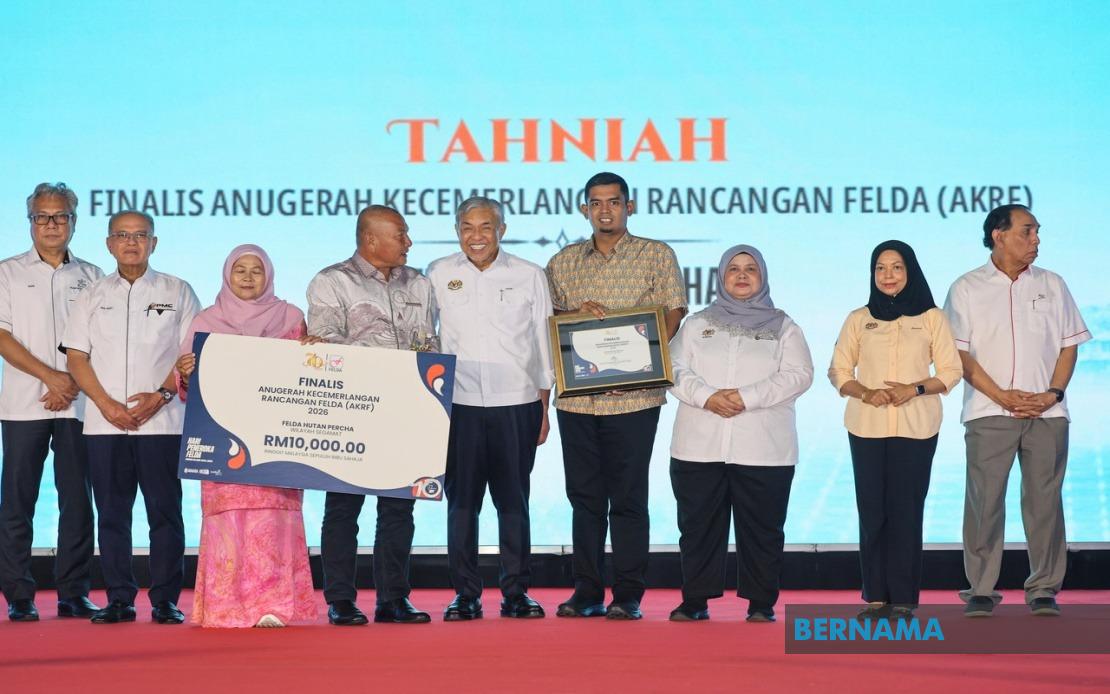
Deputy Prime Minister Datuk Seri Dr Ahmad Zahid Hamidi has called for a fundamental reimagining of rural development strategy, arguing that Malaysia's countryside can no longer be viewed primarily through a domestic economic lens. Speaking at the World Rural Development Day 2026 celebration at Bandar Tun Razak Stadium in Maran on July 6, Ahmad Zahid—who also holds the Rural and Regional Development portfolio—contended that the nation's rural sector must integrate into broader regional frameworks and participate in emerging global trade corridors, particularly within Southeast Asia and the international halal marketplace.
The Deputy Prime Minister emphasised that Malaysian rural entrepreneurs possess untapped potential to establish themselves across international platforms, yet many remain constrained by traditional perspectives that confine their ambitions to local or national markets. According to Ahmad Zahid, this self-imposed limitation squanders genuine commercial opportunities that could substantially elevate rural incomes and competitiveness. He stressed that rural networks and supply chains should operate without artificial boundaries, allowing producers and businesses to connect with consumers and distributors across borders where comparative advantages exist.
Central to this vision is the National Rural Economy Agenda, which Ahmad Zahid positioned as Malaysia's comprehensive blueprint for the next phase of countryside development. This strategic framework represents a departure from infrastructure-centric approaches that have historically dominated rural policy, instead embracing a multifaceted model that addresses market access, skills development, and entrepreneurial ecosystems simultaneously. The agenda reflects recognition that modern rural prosperity depends less on isolated infrastructure projects and more on integrated economic participation within regional and global value chains.
Over the preceding three years, the Rural and Regional Development Ministry has rolled out initiatives designed to operationalise this broader vision. The RisSMart and IkonDesa programmes represent flagship efforts to enhance product visibility and distribution capabilities for countryside entrepreneurs. These interventions have yielded measurable results: more than 7,000 new rural entrepreneurs have been established, generating approximately 15,000 employment opportunities and accumulating sales surpassing RM1.77 billion. These figures suggest that when rural communities receive targeted support for market expansion and business professionalisation, economic dynamism follows.
Human capital development has emerged as a critical complementary priority within this economic transformation strategy. Ahmad Zahid highlighted that nearly 500 Orang Asli students have secured university admission in recent years, representing the highest intake recorded to date. This statistic carries significant implications for rural Malaysia's future, as educational advancement among indigenous communities historically marginalised from mainstream economic opportunities promises to unlock human potential previously constrained by systemic barriers. Investment in tertiary education for rural populations, particularly those from minority communities, fundamentally alters generational trajectories and enables individuals to participate in knowledge-based rural enterprises.
Physical infrastructure remains foundational, notwithstanding the shift toward enterprise-focused development. During the 12th Malaysia Plan period, approximately 5,000 kilometres of rural roads underwent upgrading to enhance transportation connectivity and market access. Simultaneously, electricity reached over 7,000 additional homes and potable water was supplied to more than 10,000 rural households, addressing basic service gaps that persist in many countryside areas. Nearly 10,000 dwellings were either constructed or refurbished, directly benefiting almost 40,000 rural residents through improved housing conditions.
The significance of designating July 6 as World Rural Development Day reflects evolving international recognition of countryside economies' centrality to national and global prosperity. The United Nations General Assembly formally proclaimed the observance on September 6, 2024, selecting July 6 to commemorate the establishment of the Centre on Integrated Rural Development for Asia and the Pacific. Malaysia officially joined member states celebrating this inaugural global observance in 2026, following the first international commemoration on July 6, 2025. This international framework provides opportunities for Malaysia to benchmark rural policies against regional peers and participate in knowledge-sharing regarding sustainable countryside development.
For Malaysian policymakers, Ahmad Zahid's address signals a strategic recalibration emphasising rural areas as engines of competitive advantage rather than zones requiring subsidy or welfare protection. The ASEAN context proves particularly relevant, as the region encompasses diverse agricultural traditions, complementary market demands, and emerging middle-class consumer bases increasingly interested in authentic regional products and halal-certified goods. Malaysian rural producers—whether in agricultural commodities, artisanal handicrafts, or value-added food processing—possess brand recognition and quality standards that could command premium positioning within this expanding regional marketplace.
The halal economy dimension warrants particular scrutiny for Malaysian entrepreneurs. As the world's halal trade expands beyond traditional Islamic markets into mainstream consumer segments across Asia-Pacific and beyond, Malaysian rural enterprises with authentic heritage and established halal credentials occupy advantageous positions. Producers of traditional foods, herbal products, cosmetics, and textiles grounded in rural communities can differentiate themselves through genuine cultural authenticity and rigorous halal certification. This market positioning strategy transforms rural identity from potential disadvantage into marketable asset.
However, translating rhetoric into sustained economic transformation requires addressing persistent challenges. Rural entrepreneurs typically encounter higher transaction costs accessing international markets, require technical assistance navigating complex export regulations, and may lack digital infrastructure for cross-border e-commerce. The effectiveness of initiatives like RisSMart and IkonDesa ultimately depends on adequate resourcing, sustained institutional commitment, and complementary policies addressing logistical constraints that rural businesses face. Without addressing these structural barriers systematically, aspirational messaging risks remaining disconnected from rural communities' lived experience.
The World Rural Development Day celebration in Maran, attended by Pahang Menteri Besar Datuk Seri Wan Rosdy Wan Ismail and Rural and Regional Development Deputy Minister Datuk Rubiah Wang, represents opportunity to acknowledge diverse stakeholders' contributions to countryside progress while rekindling policy momentum. Recognising rural development's multidimensional nature—encompassing infrastructure, education, enterprise support, and market access—enables comprehensive evaluation of progress and identification of remaining gaps. For Malaysian rural communities positioned at the intersection of ASEAN membership and global trade networks, the trajectory Ahmad Zahid articulates offers genuine potential to transition from peripheral to participant status within emerging regional and international economic architectures.

