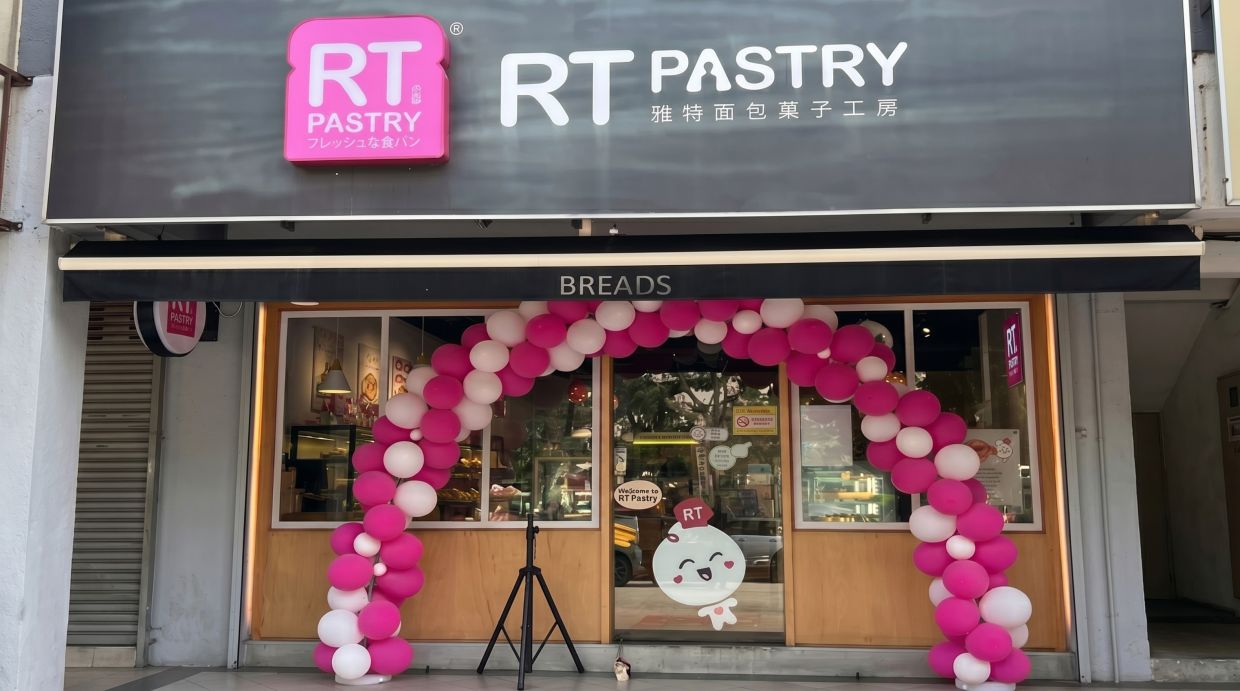
RT Pastry Holdings Bhd has joined Malaysia's growing roster of halal-certified bakery manufacturers following the Department of Islamic Development Malaysia's (Jakim) approval of its central production facility in Seri Kembangan. The certification, formally issued on July 1 and valid through June 30, 2028, represents a significant milestone for the publicly listed bakery group as it seeks to expand its footprint across the country's competitive halal food sector.
The Plant 1 facility in Taman Bukit Serdang, Seri Kembangan, now operates under Jakim's authorisation to produce an extensive portfolio of baked goods. The certification encompasses cakes, Swiss rolls, pastries, cookies, desserts and assorted bakery items, positioning the group to market these products with the assurance that comes with Malaysia's gold-standard halal credential. This breadth of coverage reflects the sophistication of RT Pastry's manufacturing operations and the rigorous standards the company has implemented across its production chain.
The company's compliance framework aligns with the Malaysian Halal Standard MS1500:2019, a comprehensive regulatory benchmark that governs every aspect of food manufacturing pertinent to Islamic dietary principles. The standard addresses raw material sourcing, production methodologies, handling protocols and sanitation requirements, ensuring that facilities maintain conditions consistent with halal principles throughout the supply chain. For a bakery operation, this means careful ingredient verification, prevention of cross-contamination and continuous monitoring of production environments to guarantee consumer trust.
RT Pastry's expansion of certified manufacturing capacity comes as its existing Plant 2 facility in Glenmarie already holds Jakim halal certification obtained in 2023. The dual-facility certification strategy reflects the group's ambition to scale production while maintaining quality assurance across geographically dispersed operations. Having two certified plants allows the company greater operational flexibility, reduced delivery times to customers across Malaysia and the ability to serve institutional and retail channels simultaneously without compromising compliance standards.
Executive Director and Group Chief Executive Officer Lu Chun-Neng framed the certification beyond mere regulatory compliance, characterising it instead as evidence of the company's foundational commitment to quality, integrity and consumer confidence. This perspective carries particular weight in Malaysia's consumer marketplace, where halal certification has evolved from a niche compliance measure to a proxy for product safety and manufacturing discipline. The halal brand signifies more than religious adherence; it conveys professional standards and organisational reliability that appeal to increasingly conscious consumers across diverse demographics.
The certification arrives at a strategic moment for Malaysian bakery manufacturers. The country's halal food ecosystem has transformed significantly over the past decade, with consumers demonstrating willingness to pay premiums for certified products and international retailers gaining confidence in Malaysia's halal authentication infrastructure. RT Pastry's move to certify additional manufacturing capacity suggests confidence in sustained demand for premium baked goods within the domestic market and potentially positions the group for regional expansion into countries with significant Muslim populations seeking trusted halal suppliers.
For Malaysian consumers, the practical implication is expanded access to certified bakery products from an increasingly transparent supply chain. RT Pastry's dual certification means greater product availability across retail channels, reduced artificial scarcity and enhanced competition that could influence pricing and innovation in the halal bakery segment. The company's public emphasis on serving broader customer demographics signals an intention to leverage halal certification not as a segmentation strategy but as a foundation for mainstream market penetration.
The regulatory framework underpinning this certification also reflects Malaysia's maturation as a global halal centre. Jakim's rigorous assessment processes have established the country's halal standard as one of the world's most credible, influencing how multinational food companies approach manufacturing in Southeast Asia. RT Pastry's certification demonstrates how local enterprises can meet these elevated standards while competing effectively against larger regional and international competitors who may lack equivalent credentials.
Looking forward, RT Pastry's manufacturing expansion and dual certification strategy position the company to capitalise on several emerging trends. Growing consumer awareness of food provenance, increasing institutional demand for halal-certified supplies from schools and hospitals, and expanding middle-class consumption in Southeast Asia all favour companies with established halal credentials and proven manufacturing capacity. The company's statement regarding continued product diversification suggests that additional certifications or capacity expansions may follow, particularly if market conditions support premium positioning in adjacent categories.
The certification also carries implications for RT Pastry's investor base and corporate governance profile. Listed companies with robust halal credentials demonstrate sophisticated understanding of Malaysian regulatory environments and consumer preferences, factors that typically enhance shareholder confidence and support valuation multiples. By publicly highlighting certification achievements, RT Pastry reinforces its positioning as a professionally managed enterprise capable of navigating complex compliance landscapes while maintaining operational efficiency.

