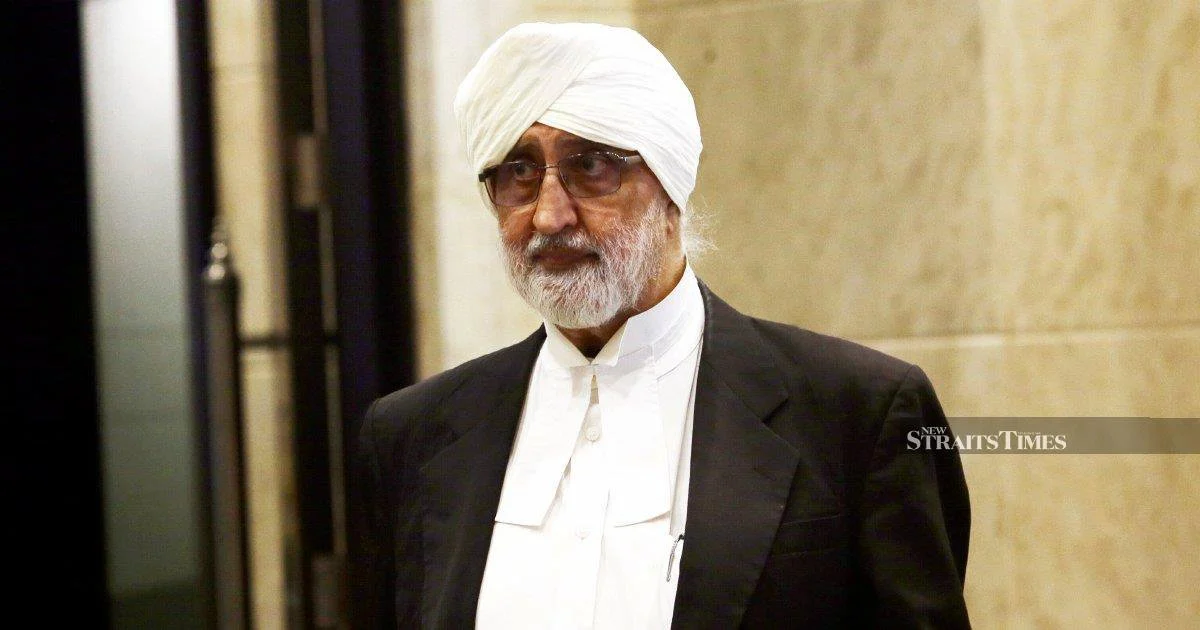
The Court of Appeal in Putrajaya witnessed an unexpected turn of events as senior defence counsel Datuk Jagjit Singh struggled with his emotions while requesting a delay in proceedings for Datin Seri Rosmah Mansor's appeal against her conviction in the sprawling RM1.25 billion Sarawak solar hybrid project corruption case. The emotional moment underscored the intensity surrounding one of Malaysia's most high-profile corruption prosecutions, which has drawn significant public attention given Rosmah's previous position as wife of former Prime Minister Datuk Seri Najib Razak.
Rosmah's legal team has been mounting a substantial defence against her conviction, which relates to her alleged involvement in soliciting and receiving gratification in connection with the massive solar energy contract in Sarawak. The case represents a continuation of Malaysia's anti-corruption efforts following the 1MDB scandal, which implicated numerous high-level government officials and businesspeople. Her conviction carries considerable weight as it demonstrated the judiciary's willingness to prosecute those closely connected to Malaysia's highest political circles.
The postponement reflects ongoing challenges in navigating complex financial crime cases through Malaysia's court system. Appellate proceedings in such high-stakes matters often involve extensive documentation, technical evidence related to financial transactions, and intricate arguments about the sufficiency of prosecution evidence. The complexity of establishing corruption in large-scale infrastructure projects means these proceedings frequently require multiple hearing dates and careful examination of procedural matters.
Rosmah's case has attracted international attention as part of global scrutiny of Malaysia's governance reforms. Following the 2018 change of government that ended Najib's tenure, successive administrations committed to combating corruption and holding officials accountable. The prosecution of individuals from the previous administration, including those with close personal connections to former leadership, has been viewed as a test of institutional independence and the rule of law.
The Sarawak solar hybrid project itself became a focal point in corruption investigations, with authorities alleging that inflated contract values and improper award mechanisms benefited connected parties. The RM1.25 billion project size indicates the substantial financial stakes involved and the magnitude of potential loss to the state if allegations of gratification and misuse of public resources prove substantiated. Such mega-projects in infrastructure and energy development are particularly vulnerable to corrupt practices because of the scale of government spending and complexity that can obscure irregular dealings.
Rosmah's legal team has consistently maintained her innocence and challenged the prosecution's evidence and witness testimonies. Senior counsel like Datuk Jagjit Singh typically manage multi-layered defence strategies that may include examining procedural irregularities, questioning witness credibility, and presenting alternative interpretations of documentary evidence. The emotional adjournment request, while unconventional in court proceedings, may reflect the genuine strain involved in defending high-profile cases that attract intense media and public scrutiny.
The delayed appeal has implications beyond Rosmah personally, as it affects public perception of Malaysia's judicial processes and the timeliness of appellate reviews in corruption cases. For Malaysian citizens and international observers monitoring the nation's anti-corruption trajectory, the pace and outcomes of such cases signal whether the judiciary can effectively address alleged wrongdoing by the powerful. Lengthy appeals and postponements, while sometimes necessary, can raise questions about access to justice and whether legal processes are being adequately resourced.
Sarawak, as Malaysia's largest state by area and a major resource-rich region, has featured prominently in corruption probes over recent years. The solar project investigation fits within broader concerns about governance in major infrastructure contracts awarded in the state. Energy projects involving significant capital outlay and long-term government commitments require particularly robust procurement and oversight mechanisms to prevent the diversion of funds or inflated pricing that benefits politically connected entities.
The appellate court's handling of this case will likely establish precedent regarding how Malaysian courts manage complex corruption appeals involving public figures. Judges must balance the defence's legitimate needs for time and resources to prepare arguments against public interest in timely resolution of high-profile prosecutions. The emotional dimension introduced during proceedings also raises questions about judicial protocol and how courts accommodate the personal circumstances of legal counsel engaged in demanding cases.
Moving forward, observers will closely monitor the rescheduled hearing dates and substantive arguments presented by both prosecution and defence. The outcome of Rosmah's appeal could influence public confidence in Malaysia's anti-corruption infrastructure and reinforce or question the effectiveness of pursuing corruption cases against individuals with significant political connections. For the Malaysian legal system, successfully prosecuting and adjudicating corruption cases against the powerful remains essential to demonstrating genuine institutional reform and commitment to accountability.

