Rohas Corporation has signalled the end of a significant regulatory cloud hanging over one of its key subsidiaries following a Malaysian Anti-Corruption Commission investigation. In a statement lodged with Bursa Malaysia, the company disclosed that authorities have wrapped up their probe into HG Power Transmission, determining there are no grounds for further legal action against the subsidiary or its operations.
The lifting of this investigation represents a material development for Rohas shareholders and creditors who have watched the situation unfold over recent months. The company's filing explicitly confirms that seizure orders previously imposed in connection with the investigation have been formally revoked, effectively clearing the asset restrictions that had constrained the subsidiary's operational and financial flexibility during the probe period.
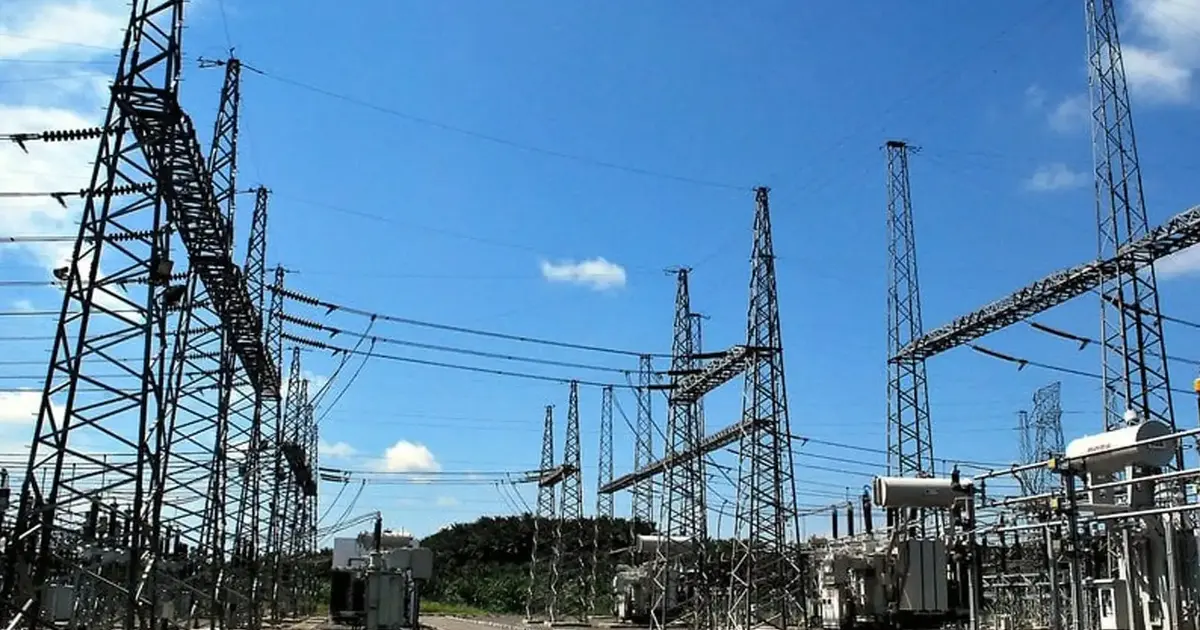
HG Power Transmission operates within Malaysia's energy infrastructure ecosystem, a sector that remains under heightened regulatory scrutiny as the nation transitions toward cleaner energy sources and modernises its power distribution networks. The subsidiary's role in this critical infrastructure space means that regulatory complications or legal uncertainties directly impact investor confidence in the parent company's ability to execute long-term strategic initiatives.
For Rohas, which has diversified interests across the region, this regulatory closure allows management to refocus resources on growth initiatives rather than managing compliance complexities. The company had presumably been required to allocate significant internal resources and external advisory support to navigate the investigation and address MACC inquiries, resources that can now be redirected toward business development and operational enhancement.
The revocation of seizure orders carries particular importance for HG Power Transmission's commercial relationships and financing capacity. When regulatory authorities place asset seizures, they inevitably restrict a company's ability to pledge collateral, access credit facilities, or execute certain commercial transactions. With these restrictions now lifted, the subsidiary regains full operational autonomy in managing its balance sheet and pursuing business opportunities that may have been constrained during the investigation.
This resolution also carries implications for Malaysia's broader regulatory environment and how anti-corruption authorities handle investigations into infrastructure-related companies. The conclusion without further action suggests that either the MACC found no credible evidence of wrongdoing, or that any concerns that initially prompted the investigation were satisfactorily addressed through the process itself. Either outcome provides some measure of clarity to market participants regarding the nature and scope of the original inquiry.
For regional investors monitoring Malaysian corporate governance developments, the case underscores the importance of institutional resilience when facing regulatory investigations. Rohas's ability to continue operations and ultimately secure a clean resolution demonstrates that transparent engagement with authorities, even amid investigation, can lead to constructive outcomes that protect shareholder value.
The energy sector more broadly has faced mounting international scrutiny around governance standards and anti-corruption frameworks. Malaysia, as a major regional player in energy distribution and infrastructure, maintains stakes in several cross-border power projects that depend on consistent regulatory approval and operational stability. Clean investigations into companies like HG Power Transmission help reinforce Malaysia's commitment to transparency standards that international partners and investors increasingly demand.
Looking ahead, Rohas can now approach its investor relations and financial reporting with greater certainty. During investigation periods, companies typically face questions from institutional investors regarding legal exposure, potential liabilities, and management distraction. With the MACC investigation formally concluded, these uncertainties dissipate, potentially creating opportunities for the company to rebuild investor narrative momentum and highlight the resilience it demonstrated during a challenging period.
The closure also potentially signals a return to normalcy in HG Power Transmission's commercial operations. Regulatory complications often prompt counterparties to reassess business relationships or increase their risk premiums for transacting with investigated entities. As certainty returns, suppliers, customers, and financial partners may approach future dealings with restored confidence in the subsidiary's regulatory standing.

