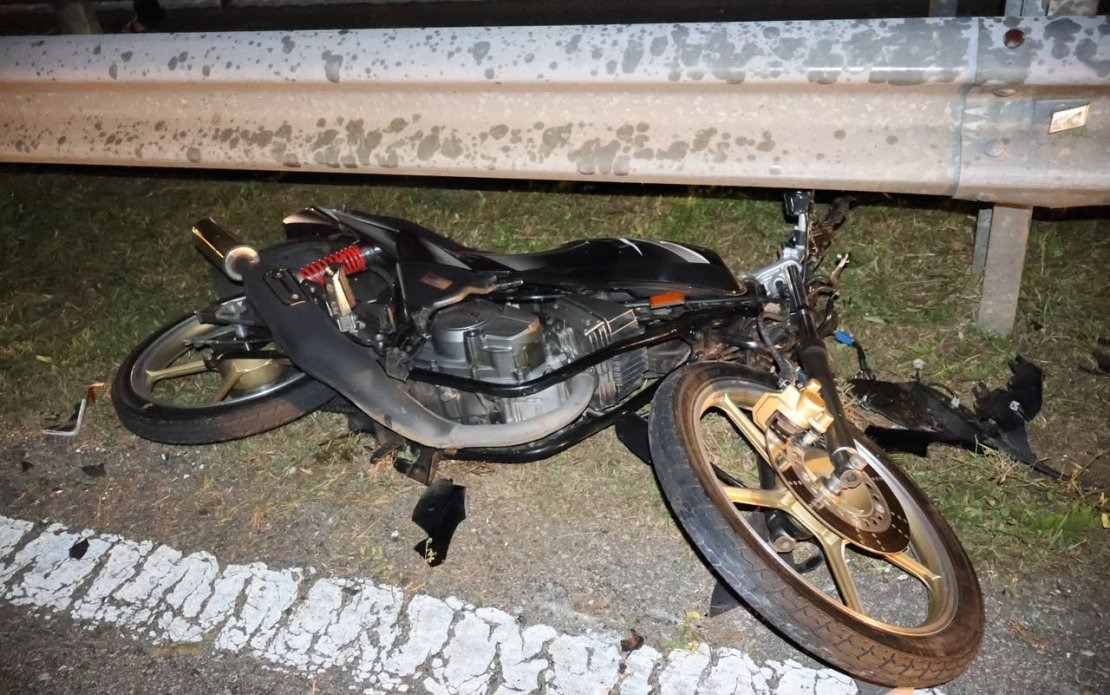
The director of Bukit Aman's Traffic Investigation and Enforcement Department has emphasised that policing measures cannot be the sole strategy for creating safer roads in Malaysia. Datuk Seri Muhammed Hasbullah Ali argued that road safety education and public advocacy programmes must be substantially expanded if the country hopes to address the persistent problem of irresponsible behaviour among motorists. His remarks came after a serious incident on the East Coast Expressway in the early hours of July 11 that resulted in four motorcyclists being killed and another twenty people injured, underlining the gravity of unsafe driving practices on major expressways.
Muhammed Hasbullah highlighted that preventing accidents requires a collaborative approach extending far beyond police operations. Parents, families, schools and community organisations all have a crucial role to play in instilling responsible attitudes among road users from an early age. Without this broad-based engagement across society, enforcement activities will inevitably prove insufficient to change behaviour patterns. The traffic chief's statement reflects growing recognition among authorities that Malaysia's road safety challenges cannot be solved through penalties and traffic operations alone, suggesting a fundamental shift in how the authorities approach the problem.
The director drew particular attention to the persistent issue of motorcycle accidents and reckless riding behaviour. Many riders involved in accidents deliberately ignore traffic regulations in pursuit of personal thrills or to gain recognition among their peers, indicating that the underlying motivation is psychological rather than merely due to ignorance of the law. This distinction is important because it suggests that traditional enforcement approaches may struggle to deter individuals who consciously choose to take dangerous risks. The problem becomes more acute when riders engage in illegal street racing or perform dangerous stunts on highways where other innocent road users are also present, multiplying the risks beyond the riders themselves.
Despite continuous enforcement operations by JSPT and other agencies, Muhammed Hasbullah acknowledged that some individuals continue to disregard safety warnings and engage in high-risk behaviour. This pattern indicates that the deterrent effect of existing enforcement measures may be limited for certain segments of the motorcyclist population. The tragedy on the East Coast Expressway serves as a stark reminder of the consequences when riders prioritise dangerous thrills over the safety of themselves and other expressway users. The incident resulted not only in four fatalities but also exposed numerous other road users to potential injury, property damage and lasting psychological trauma.
The traffic chief's comments place particular emphasis on the shared responsibility concept underpinning road safety. Roads function as communal spaces where multiple users with different vehicles and varying skill levels interact constantly. For this system to function safely, all participants must exercise responsibility and respect traffic regulations. When individuals choose to ride recklessly or participate in illegal activities like street racing, they impose risks on innocent bystanders who have done nothing to warrant such danger. This perspective reframes road safety not merely as a personal safety issue but as a matter of public welfare and community responsibility.
For Malaysian motorists and riders, the message is clear that authorities are expanding their approach to road safety beyond traditional traffic policing. Educational institutions, from primary schools through universities, are likely to see increased emphasis on traffic safety awareness programmes. Families are being called upon to actively discuss safe driving practices with younger members and to model responsible behaviour themselves. Community organisations, religious groups and neighbourhood associations can contribute by promoting safe driving messages within their networks and holding members accountable to higher standards of road conduct.
Muhammed Hasbullah emphasised that stern action would nevertheless continue against those found engaging in reckless riding, illegal racing or other dangerous conduct. The police commitment to enforcement remains firm, but the traffic chief made clear that this represents only one component of a comprehensive strategy. The balancing act authorities face involves maintaining strict penalties for dangerous behaviour whilst simultaneously investing in the educational and social infrastructure needed to prevent such behaviour from occurring in the first place. This dual approach reflects international best practices in road safety management, where successful countries combine enforcement with education and environmental design.
The implications for Southeast Asian road safety are significant, as Malaysia grapples with challenges common to the region including high motorcycle accident rates and a young, growing population of riders. Other countries in ASEAN face similar demographic and economic conditions that contribute to risky riding behaviour. By emphasising the need for comprehensive approaches integrating education, community engagement and enforcement, Malaysian authorities are potentially providing a model that neighbouring countries might adapt to their own contexts. The recognition that attitude change must precede or accompany behavioural enforcement suggests that Southeast Asia needs sustained investment in road safety culture building across multiple generations.
The July 11 incident on the East Coast Expressway also highlights the role of infrastructure and safety systems in preventing accidents and limiting their consequences when they occur. While the traffic chief's comments focused on human behaviour and enforcement, the design of expressways, visibility conditions, speed management systems and emergency response capabilities all influence whether incidents become tragedies. A comprehensive road safety strategy must therefore address not only driver and rider behaviour but also the physical characteristics of roadways and the speed at which vehicles operate on them.
Moving forward, Malaysian transport authorities and the police will likely need to develop more sophisticated data collection systems to understand which populations are most at risk and which interventions prove most effective in changing behaviour. Targeted education campaigns aimed at younger riders, who appear to be overrepresented in serious motorcycle accidents, could be more effective than generic public safety messages. Partnerships between police, educational institutions, healthcare providers treating accident victims and community groups offer opportunities to create reinforcing messages about road safety consequences and responsibilities.

