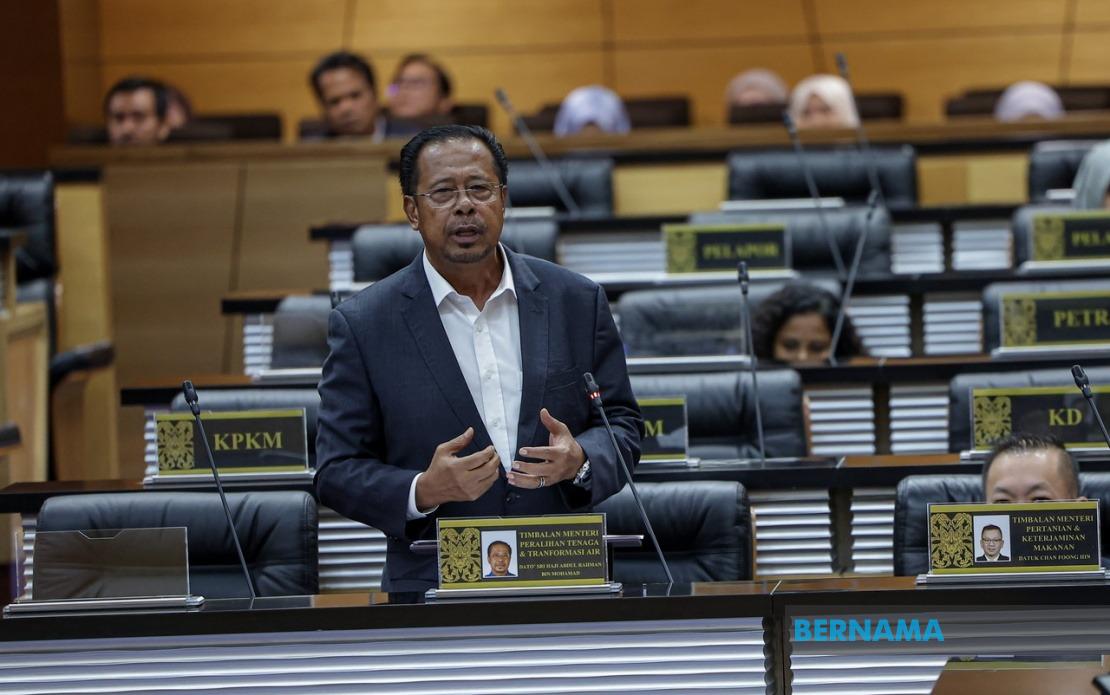
Malaysia's government is moving forward with an ambitious RM99.8 million integrated river basin development initiative along Sungai Skudai in Johor, with Deputy Minister of Energy Transition and Water Transformation Datuk Seri Abdul Rahman Mohamad confirming that the project will shield approximately 15,000 residents from flooding whilst restoring critical ecosystems. Speaking in the Dewan Rakyat, Abdul Rahman outlined how the initiative, funded under the 12th Malaysia Plan, represents a comprehensive response to one of Johor's most persistent environmental and public safety challenges.
The Sungai Skudai basin has long been a concern for authorities and communities alike, with repeated inundation events affecting residents, disrupting livelihoods, and straining emergency response capabilities. By safeguarding 50 hectares of land and improving drainage infrastructure, the project addresses both immediate flood mitigation needs and longer-term water resource management in the state. The scope of protection extends across multiple administrative boundaries, reflecting the interconnected nature of river systems and the necessity for coordinated basin-wide interventions.
Currently in its pre-implementation phase, the project involves intricate planning and technical investigations essential before construction commences. A consultant team was appointed in May 2025 to develop detailed designs and conduct site investigations. Survey work, which began in November 2025, will continue through May 2027, establishing baseline conditions and identifying optimal engineering solutions. Concurrently, the land acquisition process initiated in June 2026 is tracking toward completion by August 2027, clearing a critical administrative hurdle that often delays infrastructure projects across Southeast Asia.
Abdul Rahman revealed that physical construction is expected to commence in mid-2027 once procurement processes conclude and the main contractor is appointed. This timeline reflects careful sequencing of preparatory activities, though the staggered schedule also demonstrates the complexity of coordinating multiple stakeholder interests in river management. The contractor appointment will follow comprehensive technical requirements review, ensuring that all designs meet safety standards and environmental considerations before implementation begins.
The engineering interventions are substantial and strategically designed. The 46-kilometre river will undergo reinforced bank stabilisation work to prevent erosion and slope failures during high-water events. Critical sections will be widened to approximately 15 metres, significantly increasing the watercourse's carrying capacity during monsoon periods and tropical storms. These modifications reflect hydraulic engineering principles widely adopted across the region to manage intense seasonal rainfall and peak discharge conditions.
Beyond flood prevention, the project addresses multiple developmental objectives central to Johor's socioeconomic advancement. Improved river navigability will directly benefit local fishing communities who depend on waterway access for livelihoods. Enhanced water flow management simultaneously strengthens operational capabilities for maritime security agencies and emergency management services operating along the corridor. The restoration of riverine ecosystems supports biodiversity conservation, addressing environmental degradation that has accompanied rapid urbanisation in the Johor region.
The government has already initiated interim flood mitigation measures whilst awaiting the main project's implementation. Six small-scale interventions valued at approximately RM700,000 are proceeding as stopgap solutions, demonstrating administrative responsiveness to residents facing repeated inundation. Authorities have systematically identified approximately 50 flood hotspots distributed across the Sungai Skudai basin, with five concentrated in the Kulai area. Strategic focus on these vulnerable nodes potentially offers quicker relief than the comprehensive project alone.
Administrative coordination between federal agencies has resolved potential implementation obstacles. Separately, the Ministry of Works confirmed that the RM174.53 million Phase Three upgrading project for Pasir Gudang Highway will proceed without acquiring property from Keretapi Tanah Melayu Berhad. Minister Datuk Seri Alexander Nanta Linggi clarified that works near railway tracks will operate under permits and right-of-way approvals rather than land acquisition, eliminating a significant delay risk that has historically complicated infrastructure projects involving multiple government entities.
The highway upgrading, scheduled for February 2027 through December 2028, complements the river project by improving terrestrial connectivity in the region. Coordinated implementation of water infrastructure and transportation upgrades creates synergies that amplify developmental benefits for Johor residents and businesses. Both projects represent substantial capital investments in regional infrastructure, positioning the state for improved disaster resilience and economic competitiveness.
The Sungai Skudai initiative carries broader implications for Southeast Asian flood management strategies. With climate change intensifying rainfall patterns and increasing urbanisation concentrating populations in vulnerable areas, integrated river basin approaches combining physical infrastructure with ecosystem restoration have become essential. Malaysia's experience with the Sungai Skudai project may offer valuable lessons for neighbouring countries facing similar hydrological and developmental pressures.
Financial commitments of this magnitude reflect governmental recognition that flood disasters impose substantial costs on affected communities and national productivity. Preventing damage to homes, agricultural land, and commercial enterprises through proactive infrastructure investment represents sound fiscal policy alongside moral imperative. The RM99.8 million investment, whilst significant, pales against potential losses from unmitigated flooding across decades.
Successful project execution depends on maintaining the stated timeline despite potential challenges including contractor performance, weather disruptions during construction, and unforeseen site conditions. The government's emphasis on completing land acquisition and technical preparations before contractor appointment suggests institutional learning from previous infrastructure delays. Regular parliamentary updates, as demonstrated during this Dewan Rakyat session, provide accountability mechanisms that may reinforce implementation discipline.
For Johor residents and businesses vulnerable to recurring floods, the Sungai Skudai project represents a tangible commitment to reducing existential uncertainty surrounding monsoon and storm seasons. Completion by the projected timeline would provide substantial protection for thousands of households and support long-term planning by agricultural and maritime communities dependent on predictable water conditions. The project exemplifies how coordinated government action, adequate resourcing, and thoughtful engineering can transform chronic environmental challenges into opportunities for sustainable regional development.

