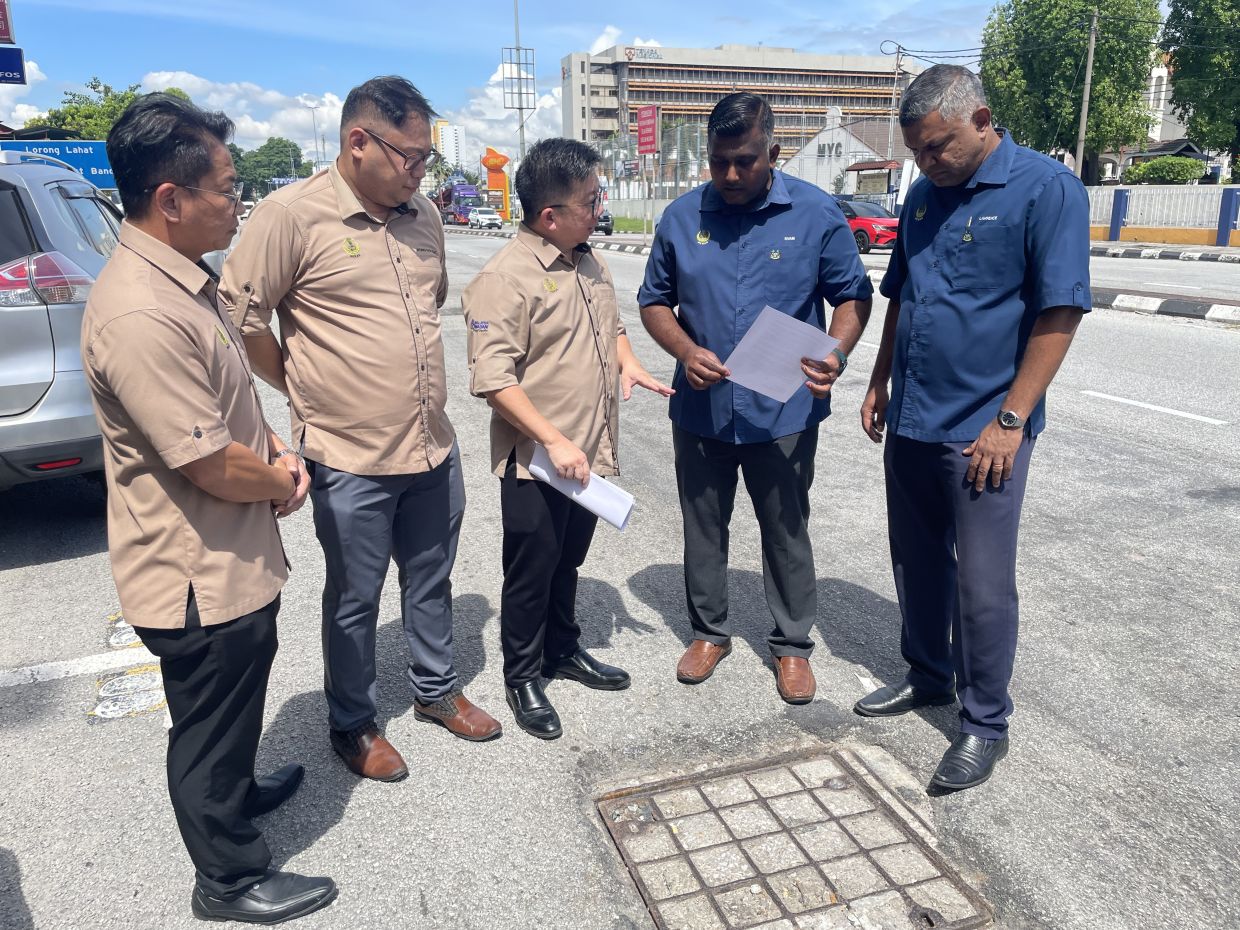
Ipoh's notoriously damaged Jalan Lahat will finally receive a comprehensive overhaul this July, as authorities approve a RM2.6mil resurfacing programme targeting the road's most problematic stretches. The project, funded through the Malaysian Road Records Information System (Marris), addresses years of accumulated damage that has transformed the thoroughfare into a hazard for the thousands of vehicles navigating it daily. The work will reshape nearly 4km of the road, extending from the Falim traffic lights through to the Jalan Leong Boon Swee junction adjacent to the Little India precinct, according to Menglembu assemblyman Chaw Kam Foon.
The stretch bisects three state constituencies—Buntong, Tebing Tinggi and Menglembu—making it a vital commercial and residential artery for the city. While Jalan Lahat extends between 10km and 11km in total length, authorities have prioritised the most critical sections, focusing on approximately 1.9km in each direction. This targeted approach reflects the severe deterioration concentrated in specific zones where road integrity has markedly degraded, compelling intervention after years of temporary remedial measures proved inadequate.
Motorrists have endured mounting difficulties along this corridor, with social media campaigns recently spotlighting the perilous conditions threatening vehicle safety and driver wellbeing. A particularly notorious pothole on an elevated section gained viral attention online, triggering swift—though temporary—patching by authorities. The incident underscored how reactive responses have failed to address the road's fundamental structural problems. During June alone, approximately twenty vehicles sustained tyre punctures attributable to the damaged surface, illustrating the scale of the ongoing disruption to daily commuters and commercial operators.
Councillor K. Sivam, who has championed the resurfacing cause, revealed that requests for comprehensive road rehabilitation have circulated since 2024, with approval finally materialising this financial year. The prolonged advocacy demonstrates the persistent pressure from local representatives to secure adequate funding for essential infrastructure maintenance. Sivam attributed the accelerated approval partly to heightened public awareness, as frustrated road users amplified complaints through digital platforms, forcing the issue onto government agendas.
The tender process is currently advancing, with construction anticipated to commence in July and conclude within approximately three weeks. This relatively compressed timeline reflects the focused scope of works and the urgency officials attach to restoring the road to serviceable condition. Heavy usage by residential traffic, school commuters and substantial commercial vehicles including large lorries has intensified wear on the surface, while previous patchwork efforts have consistently failed to provide durable solutions under such demanding conditions.
Sivam identified deteriorating weather patterns and relentless traffic volume as primary obstacles to sustaining temporary repairs, necessitating the transition to complete resurfacing rather than incremental patching. Beyond surface reconstruction, the project will encompass levelling manhole covers, eliminating road undulations that exacerbate vehicle damage, and repainting directional lane markings to enhance safety and navigation. These ancillary works reflect a comprehensive approach to restoring structural integrity rather than addressing symptoms superficially.
A significant contributor to road degradation has been unsatisfactory restoration following utility excavation activities, particularly sewerage pipeline installations conducted by various contractors. Historical substandard reinstatement practices compounded the road's decline, as utility companies restored surfaces inadequately after accessing underground infrastructure. Sivam emphasised that future excavation activities will face heightened oversight from the Corridor Utiliti Darul Ridzuan (KUDR), a regulatory body vested with authority to enforce proper road restoration standards and specifications.
The monitoring framework establishes enforceable compliance mechanisms against negligent utility operators. Companies failing to reinstate roads according to approved standards face financial penalties, compounding orders, or mandatory remediation directives—creating tangible incentives for quality restoration work. This supervisory architecture aims to prevent recurrence of the problematic practices that previously undermined Jalan Lahat's structural condition, protecting infrastructure investments and preventing accelerated deterioration.
For Malaysian readers, this project represents a broader pattern emerging across urban areas where aging infrastructure demands coordinated, adequately funded interventions rather than perpetual patch-work management. The RM2.6mil investment in Jalan Lahat reflects recognition that deferred maintenance ultimately costs more while degrading public safety and commercial efficiency. The initiative also demonstrates how persistent community advocacy, amplified through social media, can mobilise bureaucratic action—a lesson resonating across Southeast Asia's rapidly urbanising centres where road networks struggle to accommodate expanding traffic volumes and commercial demands on aging infrastructure.