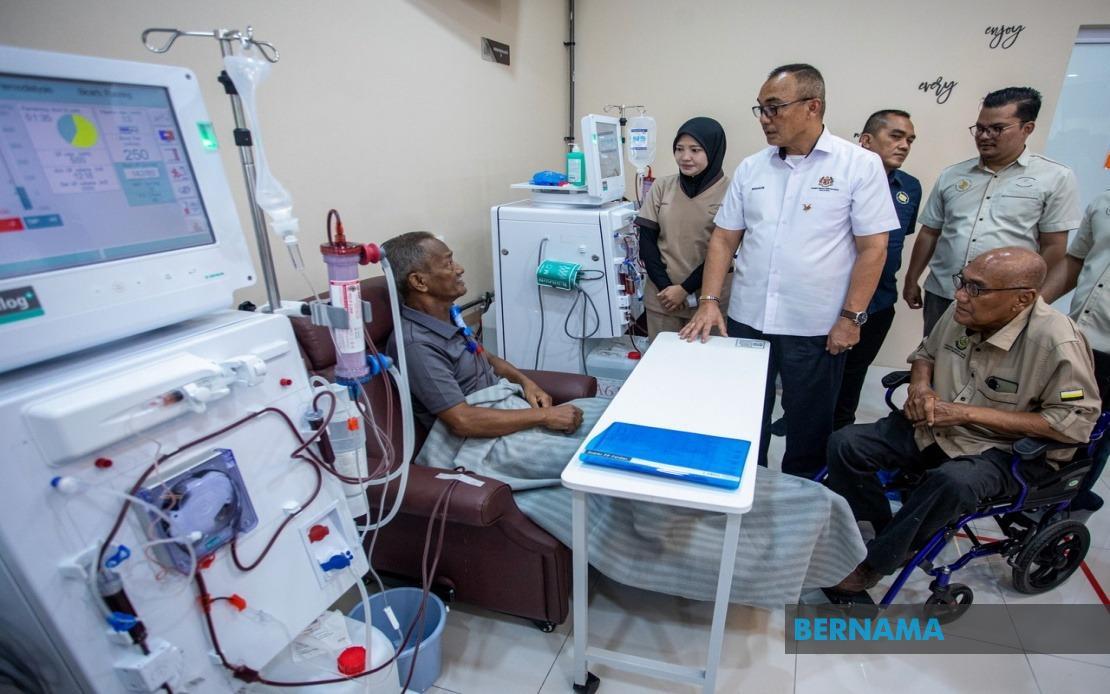
The Malaysian government has committed over RM18 million towards establishing a network of nine dialysis centres operated by Yayasan Veteran Angkatan Tentera Malaysia (YVATM), marking a significant expansion of renal care infrastructure designed primarily to serve military veterans but accessible to the broader population. The initiative was formally announced during the opening of a new facility in Batu Kurau, Perak, reflecting the government's strategic prioritisation of healthcare services for those who have served in the Malaysian Armed Forces.
Geographic distribution of these centres reveals a concentration in Selangor, which will host four facilities, while Perak receives two locations. Negeri Sembilan, Johor, and Pahang each get one centre, creating broader coverage across the country's most populous and strategically important regions. This dispersal pattern suggests careful planning to ensure accessibility across both urban and semi-rural populations, recognising that dialysis patients require frequent treatment sessions and proximity to facilities significantly impacts treatment compliance and quality of life.
Major General Datuk Semaon Marjuki, director-general of the Malaysian Armed Forces Veterans Affairs Department, characterised the expansion as a deliberate policy shift to strengthen the welfare framework supporting military retirees. His remarks emphasised that access to quality dialysis treatment represents a cornerstone of veteran care, acknowledging the correlation between chronic kidney disease and the ageing population of former servicemen. The initiative reflects broader recognition across government that adequate provision for veteran health needs strengthens social cohesion and honours the sacrifice of military personnel.
Operational management of these centres will fall to DVET Holding Sdn Bhd, a wholly-owned subsidiary of the MAF Veterans Foundation, ensuring that control remains within the military veteran ecosystem rather than being outsourced to private operators. This structural arrangement provides administrative coherence and allows the foundation to maintain quality standards while keeping operational revenue within the veteran support system. The establishment of a dedicated operational entity demonstrates institutional commitment to sustaining these services long-term rather than treating them as temporary initiatives.
Existing demand for such services is substantial, with approximately 2,055 military veterans currently undergoing dialysis treatment at various facilities operated by the Armed Forces Veterans Affairs Department, the Social Security Organisation, or other approved providers. This baseline figure suggests that the new centres will absorb existing demand while creating capacity for population growth and improved access. For context, dialysis patients typically require three treatment sessions weekly, each lasting three to five hours, making the availability of conveniently located facilities genuinely transformative for quality of life.
All nine centres will operate with equipment and facilities meeting Ministry of Health standards, ensuring that care quality remains consistent with national regulatory frameworks. This standardisation prevents the emergence of two-tier systems where veterans might access inferior treatment at dedicated facilities, protecting both clinical outcomes and the dignity of the veteran population. The inclusion of experienced nursing staff within each facility underscores that the government recognises dialysis delivery as demanding specialised expertise rather than routine administrative healthcare.
The patient-centred design approach explicitly incorporated comfort considerations into facility planning, indicating awareness that the dialysis experience involves significant physical and psychological burden. Extended treatment sessions in clinical environments can trigger anxiety and fatigue, and thoughtful environmental design demonstrably improves patient wellbeing and treatment adherence. This consideration reflects contemporary understanding of healthcare delivery that acknowledges the human dimensions of chronic disease management alongside clinical interventions.
Beyond serving the veteran population, these centres will operate as community resources accessible to the general public, broadening the social value of the investment. This approach reduces stigmatisation of dedicated veteran facilities while ensuring efficient utilisation of expensive infrastructure. For Malaysian communities in areas receiving centres, particularly in Perak and smaller states like Negeri Sembilan, expansion of dialysis capacity addresses genuine healthcare gaps, as chronic kidney disease prevalence rises with aging populations and diabetes prevalence in Malaysia.
The initiative aligns with government messaging around enhancing population wellbeing and reflects the political significance attached to veteran affairs within Malaysia's policy framework. Public investment in veteran healthcare carries symbolic weight beyond utilitarian healthcare metrics, signalling state recognition of military service and commitment to the social contract with servicemen. For the armed forces themselves, such benefits enhance recruitment and retention by demonstrating tangible post-service support.
Looking forward, the nine-centre network establishes infrastructure capable of accommodating growing dialysis demand driven by Malaysia's demographic transition and rising chronic disease burden. Kidney disease disproportionately affects older populations and those with diabetes or hypertension, conditions becoming increasingly prevalent across Southeast Asia. The expansion positions Malaysia ahead of some regional peers in renal care capacity, though broader questions about financing long-term dialysis provision across the entire population remain unresolved.
The YVATM initiative demonstrates how targeted investment in specific population groups can yield broader healthcare benefits while fulfilling government obligations to veteran communities. Whether this success catalyses similar expansions addressing dialysis access disparities among the non-veteran population remains to be seen, though the infrastructure and operational experience gained through this rollout could provide templates for future expansion.

