A parliamentary investigation has exposed a troubling disconnect between Malaysia's subsidy commitments and ground-level reality: over RM10.879 billion in cooking oil assistance appears to have gone astray between 2019 and February 2025, according to findings released by the Public Accounts Committee. The revelation strikes at the heart of the government's subsidy strategy and raises uncomfortable questions about whether current oversight mechanisms are adequate to prevent such substantial leakages.
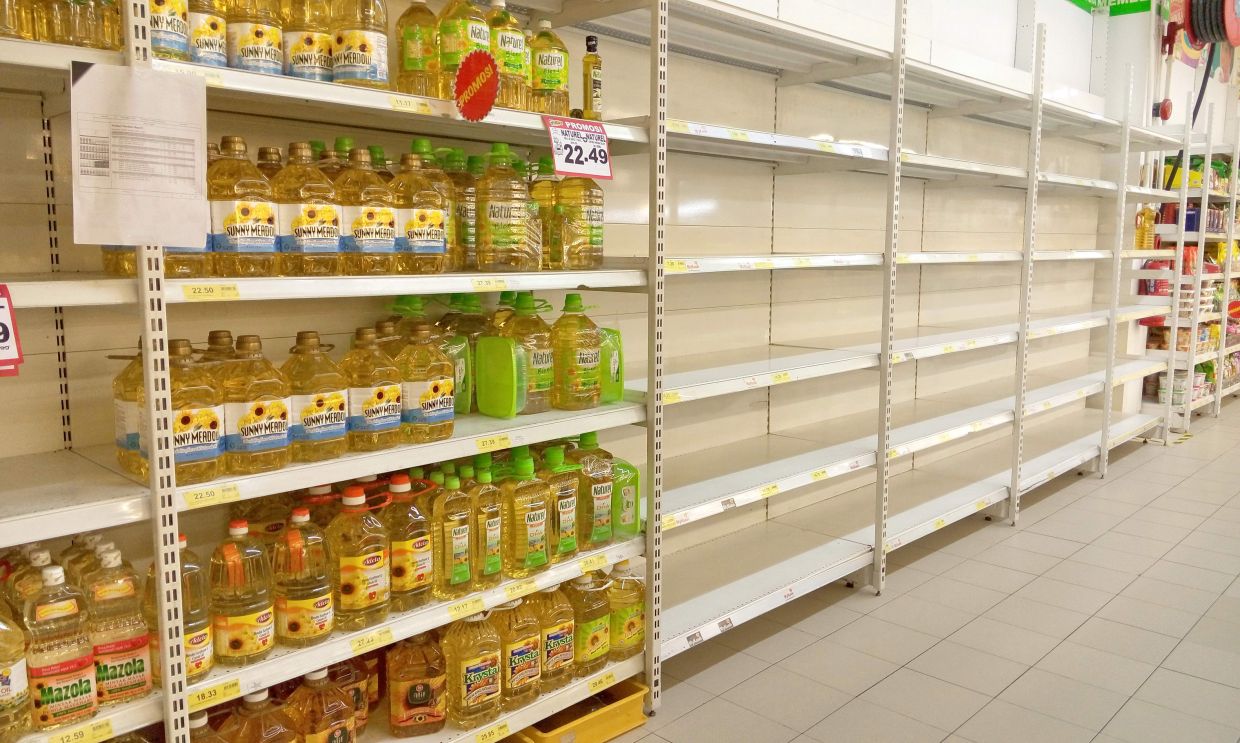
The scale of the discrepancy is difficult to ignore. Against a backdrop of persistent consumer complaints about cooking oil shortages and empty supermarket shelves, the PAC's report documents a systemic failure in translating government spending into tangible consumer benefit. This is not merely a budgetary overrun—it represents a fundamental breakdown in the chain linking fiscal allocations to household kitchen tables across the nation.
Government policymakers have for years championed a shift toward targeted subsidies, arguing this approach is more fiscally responsible and ensures assistance flows only to those genuinely requiring support. The rationale has been compelling: rather than blanket subsidies benefiting wealthy and poor alike, means-tested programmes would supposedly be leaner and more efficient. Yet the PAC findings suggest this targeted framework has significant vulnerabilities. If the system is indeed more carefully calibrated than before, the appearance of such a vast gap warrants deeper investigation into how existing safeguards failed.
The pathway of subsidy leakage typically involves multiple weak points: inadequate tracking mechanisms, insufficient enforcement at distribution stages, collusion between suppliers and retailers, or outright black-market diversion. Without detailed examination of which element failed most critically, policymakers operate in darkness when attempting preventive corrections. The PAC report's existence suggests that accountability mechanisms do eventually surface problems, yet the years-long gap between 2019 and early 2025 indicates detection took considerable time.
For Malaysian consumers, the practical consequence has been visible frustration. Subsidised cooking oil has intermittently vanished from shelves, forcing shoppers to either purchase expensive unsubsidised alternatives or venture across state lines seeking supplies. This creates unofficial price disparities and undermines the equity objective that subsidies theoretically serve. When intended recipients cannot access subsidised products, the subsidy effectively ceases to benefit them, making the distinction between leakage and simple programme failure academic rather than meaningful.
The accountability question extends beyond individual ministerial portfolios. Multiple government bodies share responsibility for subsidy programme integrity: the Ministry of Domestic Trade and Cost of Living monitors retail compliance, supply agencies manage inventory, and enforcement agencies pursue violations. When such extensive leakage occurs across multiple years, the failure implicates the entire system rather than isolated bad actors. Determining which institution bore primary responsibility for detection and prevention becomes crucial for instituting lasting reforms.
Regional context adds urgency to addressing this issue. Neighbouring countries including Thailand and Vietnam have grappled with subsidy leakage, yet Malaysia's scale here is particularly noteworthy given the nation's relatively developed institutional capacity and data infrastructure. If systems fail here, other countries facing similar governance challenges may face even greater difficulties. Conversely, solutions developed locally could offer valuable lessons for ASEAN neighbours managing comparable subsidy programmes.
The economic implications warrant careful consideration. Diverting RM10.879 billion from intended recipients represents not just waste but opportunity cost: that sum could have funded infrastructure projects, education initiatives, or healthcare expansion. Alternatively, it could have been left in taxpayers' pockets through tax reductions. The leakage represents one form of hidden taxation—citizens pay without receiving promised benefits. Over six years, this translates to an annual average of approximately RM1.8 billion that failed to serve its intended purpose.
Looking forward, the PAC's identification of this problem presents an opportunity for structural reform. Enhanced digital tracking, real-time monitoring systems, and clearer accountability frameworks could reduce future leakage significantly. However, merely implementing new oversight mechanisms without addressing underlying incentive structures—whether corruption, systemic inefficiency, or deliberate circumvention—will likely prove insufficient. Root-cause analysis must precede technological solutions.
The timing of this revelation also matters. As Malaysia navigates economic challenges and debates appropriate levels of government spending, evidence of such substantial subsidy programme failure feeds legitimate scepticism about state institutions' capacity to manage resources effectively. Rebuilding public confidence requires not just identifying what went wrong, but demonstrating concrete steps to prevent recurrence and holding responsible parties accountable.
Moving forward, meaningful accountability requires more than administrative reshuffling. It demands clear consequences for those whose negligence enabled leakage, transparent communication with the public about underlying problems, and demonstrable improvements in real-world outcomes—specifically, ensuring that subsidised cooking oil consistently reaches consumer shelves and that future subsidy programmes incorporate lessons from this substantial failure. Without such comprehensive response, the gap between policy intent and citizen experience will likely persist, further eroding public trust in government's ability to deliver on its commitments.

