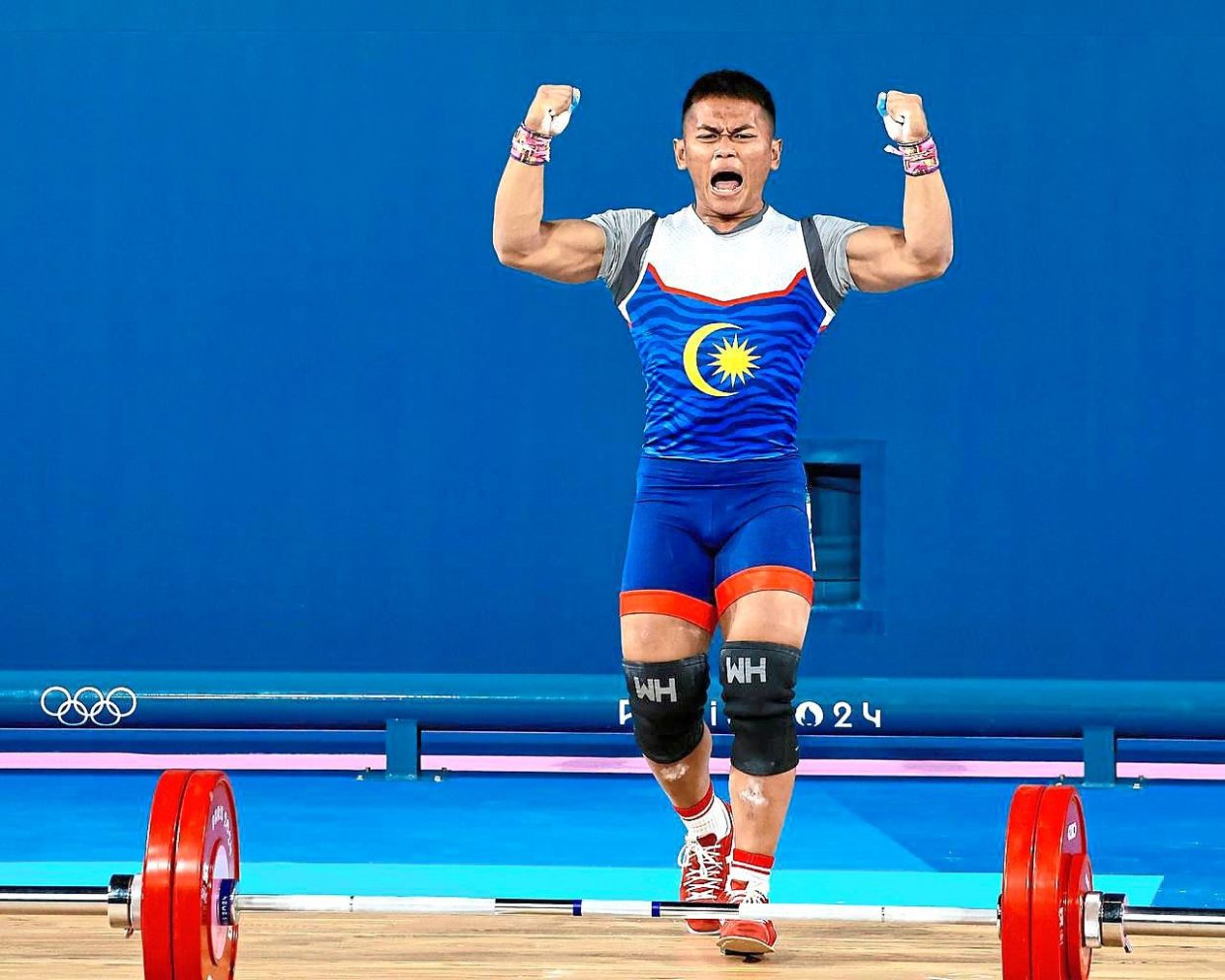
Malaysia's weightlifting contingent has convinced the government to invest substantially in the sport's future, with the Youth and Sports Ministry pledging an additional RM1 million in development funding following the team's remarkable showing at the Glasgow Commonwealth Games. The announcement signals renewed confidence in a discipline that has emerged as one of the country's most reliable sources of international medals and demonstrates how strong athletic performance can translate into enhanced governmental support for grassroots development and elite training programmes.
Minister Dr Mohd Taufiq Johari unveiled the funding commitment after meetings with the Malaysian Weightlifting Federation and the National Sports Council, conversations that focused on constructing a more resilient competitive framework from junior levels through to elite ranks. The decision reflects recognition that weightlifting's recent successes stem from genuine structural improvements rather than isolated achievements, and that sustained investment could yield continued dividends across regional and global competition cycles.
The Glasgow Games delivered a transformative moment for Malaysian weightlifting. The national squad's haul of five gold medals, one silver, and one bronze positioned them as Malaysia's dominant medal contributors at the event—a distinction that typically commands significant political attention and budgetary consideration. Against a modest overall Malaysian medal tally of eight golds, three silvers, and five bronzes, the weightlifting team's contribution represented roughly 63 percent of the gold medal count, underscoring the sport's outsized importance to the national Games programme.
Beyond the cash injection, the ministry has committed to infrastructure improvements that address long-standing capacity constraints within the sport's training ecosystem. The Rompin weightlifting training centre will undergo significant upgrades as officials work toward designating it as a Sports Centre of Excellence—a classification that typically brings access to better facilities, more sophisticated coaching support, and enhanced athlete welfare provisions. This physical investment complements the financial allocation and suggests a multi-year strategic vision rather than a one-off response to recent glory.
A critical component of the development strategy involves appointing a dedicated full-time coach at Rompin with explicit responsibility for nurturing female weightlifters. This initiative carries particular significance given that women's weightlifting has become a global growth area, with increased medal opportunities at Olympic and Commonwealth Games. By institutionalising female athlete development at the grassroots level, Malaysia aims to build a sustainable pipeline of female competitors capable of challenging for medals in the coming Olympic cycles and regional championships.
The ministry's agreement to expand the National Sports Council's weightlifting development programme after the Malaysia Games represents another structural strengthening. Enhanced athlete quotas under this scheme will prioritise competitors demonstrating exceptional potential and meeting rigorous selection standards. This expansion indicates that Glasgow's success has created political space for weightlifting to claim additional resources within the competitive landscape of Malaysian sports funding, where multiple disciplines compete for limited developmental slots and financial support.
Weightlifting's capacity to deliver high-impact results with relatively modest infrastructure investment makes it attractive to policymakers concerned with maximising medal returns. The sport's technical nature means that even small improvements in coaching quality, facility standards, or athlete selection mechanisms can produce measurable competitive gains. Malaysia's weightlifters have historically punched above their weight relative to countries with substantially larger sporting budgets, a characteristic that appeals to officials tasked with delivering international sporting success within fiscal constraints.
The timing of this investment announcement carries implications for Malaysia's regional sporting ambitions. The additional resources and facility improvements should enhance competitiveness ahead of upcoming Southeast Asian Games, where weightlifting remains a substantial medal opportunity. Enhanced female weightlifter development specifically positions Malaysia to capitalise on growing female participation in the sport across the region, a demographic shift that has expanded available medal categories and created new pathways for success.
Taufiq's framing of the decision emphasises long-term ecosystem development rather than merely celebrating past achievements. His assertion that these investments represent "a long-term investment in building a stronger weightlifting ecosystem in the country" suggests that Malaysian sporting authorities view Glasgow's success as validating their earlier strategic choices and providing justification for continuing that investment trajectory. This perspective indicates growing confidence that weightlifting can sustain elite-level performance over multiple Olympic and Commonwealth Games cycles, rather than remaining a sporadic source of medals.
The RM1 million allocation must be contextualised within Malaysia's broader sports funding framework. While substantial in absolute terms, the figure represents a measured response that acknowledges achievement without creating expectations of unlimited resource escalation. The emphasis on facility upgrades and coaching appointments alongside direct financial support suggests a balanced approach to strengthening the sport's competitive foundations rather than simply increasing athlete allowances or prize money.
Weightlifting's success story offers lessons for other Malaysian sports seeking to justify governmental investment. The discipline's achievements demonstrate how strategic focus on specific target areas—facility development, specialised coaching, athlete identification—can generate returns that convince policymakers to deepen their commitment. As Malaysia continues evaluating its sports development priorities, weightlifting's transparent connection between investment and medal success positions it favourably within official deliberations about resource allocation.
Looking forward, the success at Glasgow and the subsequent governmental response establish heightened expectations for Malaysian weightlifting's performance at future major competitions. The appointment of full-time coaching staff, facility improvements, and expanded development quotas represent commitments that carry implicit performance targets. How effectively the sport converts these resources into medals at upcoming competitions will significantly influence official attitudes toward further investments in weightlifting or alternatively prompt reevaluation of these resource commitments.

