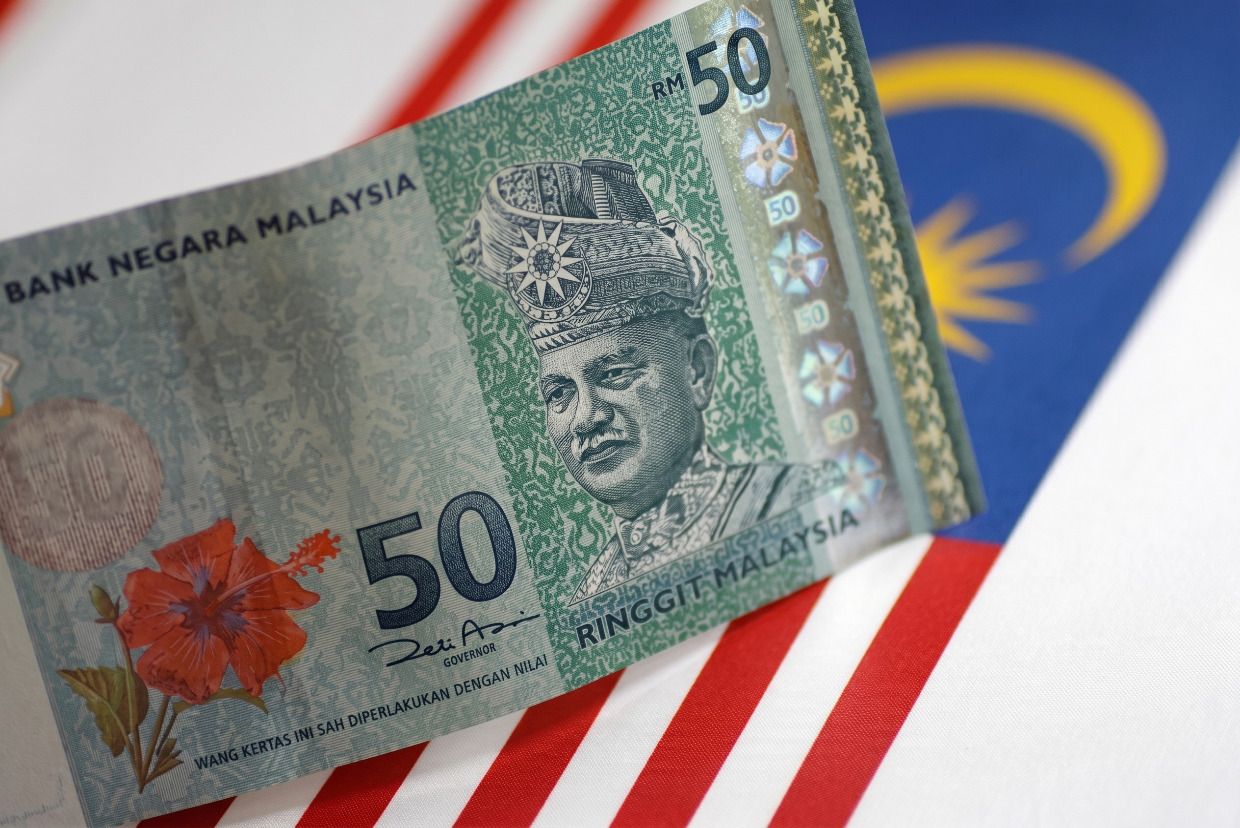
After stumbling through the first six months of 2025 as Asia's weakest currency, the ringgit appears primed for a turnaround in the coming months. Financial analysts tracking the Malaysian unit's trajectory are increasingly optimistic about its prospects, with multiple forecasting houses now projecting meaningful appreciation before the year ends. The shift in sentiment reflects a combination of policy intervention by Bank Negara Malaysia, a favourable trade environment, and consistent international appetite for Malaysian financial assets.
The most bullish projections come from major financial institutions assessing the currency's near-term trajectory. Royal Bank of Canada anticipates the ringgit trading around 3.95 per dollar by the close of 2025, underpinned by Bank Negara's intensifying campaign to encourage corporations to repatriate and convert overseas earnings into ringgit. Australia & New Zealand Banking Group has set an even more ambitious target, suggesting the currency could strengthen to 3.80 per dollar, a level not seen since 2015. These forecasts represent substantial appreciation from the ringgit's closing position of 4.0722 to the dollar on Friday, reflecting analyst confidence in the recovery narrative.
The catalyst for this optimism originates from Bank Negara's formal commitment announced on June 24 to intensify efforts designed to boost foreign-exchange inflows into Malaysia. This policy announcement appears to have already gained traction, as the ringgit has outperformed all other Asian currencies in the weeks following the declaration. The central bank's approach targets a specific vulnerability: while Malaysia maintains a healthy trade surplus and attracts strong foreign investment into its debt markets, these inflows have not been fully translating into ringgit appreciation. By encouraging companies to convert foreign-earned revenues into the domestic currency rather than holding them offshore, Bank Negara aims to plug this gap between underlying economic strength and currency performance.
Malaysia's trade performance provides a solid foundation for the currency's prospective rebound. Exports expanded at a startling 45 percent year-on-year rate in May, propelled by surging global demand for semiconductors, electrical components, and electronic products as the artificial intelligence sector expands its infrastructure footprint worldwide. This export surge lifted the nation's monthly trade surplus to an unprecedented 40 billion ringgit—equivalent to approximately $9.8 billion—demonstrating Malaysia's formidable competitive position in global supply chains. The consistency of this export performance, combined with ongoing investments in data centre facilities to meet international computational demand, suggests the trade tailwinds supporting the ringgit are likely to persist through the remainder of the year.
Global investors' appetite for Malaysian financial assets has intensified in tandem with improving economic indicators. Through June 29, international funds deployed approximately $2.1 billion into Malaysian bonds, positioning the market to achieve its most substantial monthly inflow since May 2025. This capital influx reflects both the relative attractiveness of Malaysian fixed-income instruments in a global context and growing confidence among portfolio managers that the ringgit's weakness has created valuation opportunities. Such foreign capital seeking ringgit-denominated returns inherently creates demand for the currency, establishing a positive feedback loop between asset prices and currency appreciation.
The mechanics underlying Bank Negara's intervention strategy deserve particular attention for Malaysian business readers. Malaysian corporations engaged in export activities frequently maintain substantial deposits in foreign currencies, particularly US dollars, as a hedge against exchange rate movements and to facilitate international transactions. Bank Negara's latest push essentially encourages these companies to convert accumulated foreign balances into ringgit, recognizing that the ringgit's weakness partly reflects this preference among domestic firms to hold offshore reserves. By creating incentives and facilitating mechanisms for such conversion, the central bank aims to reverse a pattern that has suppressed the currency despite underlying economic strength. Analyst Abbas Keshvani from RBC Singapore emphasizes this mechanism, noting that these conversion measures represent a crucial bridge connecting Malaysia's trade surplus directly to currency performance.
Context from Malaysia's recent currency history reinforces the plausibility of current recovery forecasts. Bank Negara implemented similar capital repatriation initiatives during 2024, following an alarming depreciation that took the ringgit to its weakest level against the dollar since 1998. Those interventions proved effective, as the ringgit subsequently rebounded to become Asia's strongest-performing currency throughout that calendar year. The demonstrated success of this policy framework across different market cycles suggests that current measures have credible potential to deliver comparable results, though the magnitude of achievement may vary depending on global financial conditions.
However, the ringgit's recovery trajectory faces legitimate headwinds that could impede analysts' optimistic projections. The United States Federal Reserve has signalled a more hawkish posture than previously anticipated, indicating elevated interest rates may persist longer than markets had expected. Higher American rates enhance the dollar's relative appeal to global investors and can pressure emerging-market currencies like the ringgit. Beyond international monetary policy considerations, Malaysia confronts domestic political uncertainties that occasionally unsettle investor sentiment. Forthcoming state elections will serve as a meaningful test of support for Prime Minister Anwar Ibrahim's ruling coalition prior to scheduled national elections, with political outcomes potentially influencing capital flows and foreign investor confidence in Malaysian stability.
The interplay between Malaysia's economic fundamentals and global financial dynamics will ultimately determine whether the ringgit achieves the projected appreciation targets. Kausani Basak, a foreign exchange analyst at ANZ, highlights the accumulated evidence of currency strength drivers: foreign currency deposits held by businesses expanded notably during the March-to-May period, Bank Negara's conversion incentives remain operational, and foreign direct investment inflows have demonstrated resilience despite broader global uncertainties. Collectively, these elements point toward a scenario where the ringgit continues appreciating, though the pace and extent of that appreciation may fluctuate based on developments in Federal Reserve policy, broader regional currency dynamics, and domestic political developments.

