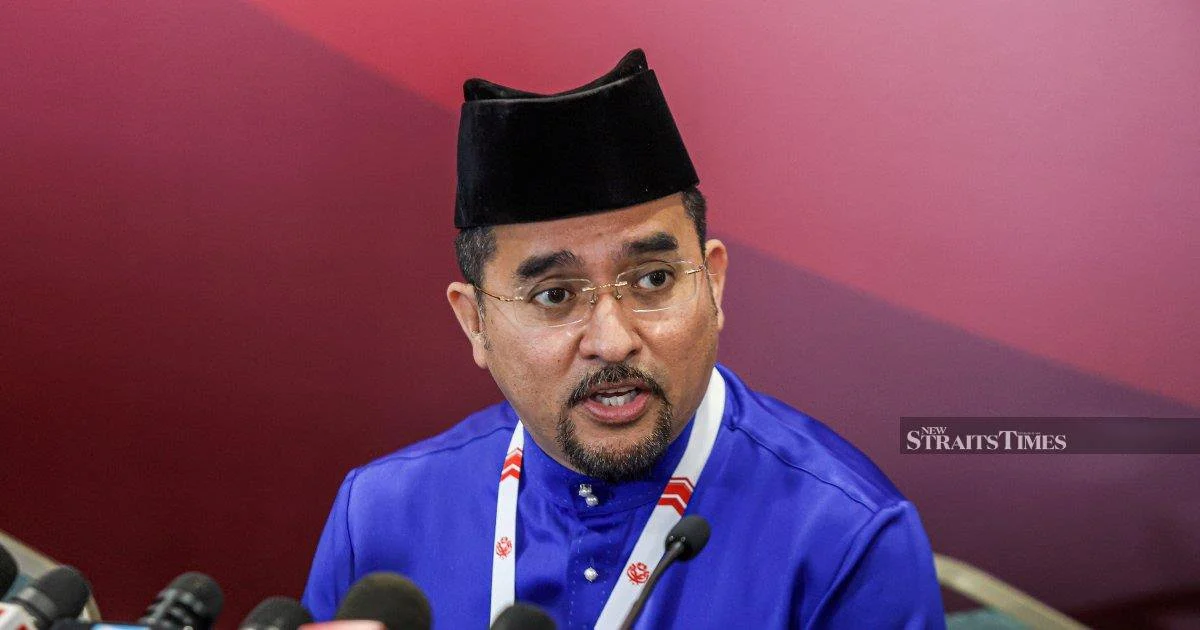
The Barisan Nasional coalition's delayed announcement of its slate for the Johor state election stemmed from an exhaustive vetting procedure, according to Umno secretary-general Datuk Dr Asyraf Wajdi Dusuki, who defended the coalition's deliberate approach to candidate selection as necessary due diligence rather than internal discord.
The extended timeline reflected BN's commitment to identifying candidates capable of delivering electoral victory and performing effectively if elected, party officials indicated. Rather than rushing through selections to meet arbitrary deadlines, the coalition prioritised thoroughness in evaluating potential contenders across multiple dimensions. This methodical stance underscores how modern political parties increasingly face pressure to balance speed with substance when assembling campaign teams, particularly in consequential state-level contests.
Johor, as Malaysia's second-largest state by population and a traditional BN stronghold, warranted particularly careful consideration of candidate quality. The selection process for such a strategically important jurisdiction naturally involves higher scrutiny than routine party machinery decisions. Each potential nominee faced assessment on electability, legislative capability, party loyalty, and community standing, among other criteria that extended the deliberation period considerably.
The vetting procedure reportedly examined candidates' track records, financial standing, legal history, and public perception metrics to construct the most competitive possible lineup. Coalition strategists recognised that poorly chosen candidates could prove electorally catastrophic in an environment where opposition parties continuously challenge BN's relevance and governance credentials. Malaysian voters, increasingly sophisticated in their electoral choices, expected serious parties to present thoughtfully curated candidate rosters rather than defaulting to seniority or factional considerations.
Delays in candidate announcements create their own complications for campaign momentum, however. Opposition parties gain opportunities to dominate media narratives while waiting for BN's slate, and voter enthusiasm may dissipate when campaign activity appears sluggish or disorganised. The timing challenge facing any ruling coalition involves completing rigorous internal vetting whilst maintaining adequate public visibility and grassroots engagement throughout the announcement period. Johor's political landscape, marked by competitive dynamics across multiple constituencies, demands sustained campaigning rather than compressed pre-election pushes.
The stringent screening reflected broader organisational trends within Umno and BN more generally, as both entities work to rehabilitate their public image following previous electoral disappointments. Perceived candidate weakness or internal selection irregularities invite media criticism and voter scepticism about coalition governance standards. By emphasising procedural rigour, BN leadership aimed to signal that candidate selection reflected merit-based evaluation rather than patronage or factional logrolling that historically characterised party politics.
For Malaysian voters monitoring the Johor preparations, the vetting explanation carried particular resonance given recent state and federal electoral cycles where candidate quality became a central voter concern. Constituencies where uninspiring or controversial figures represented major coalitions often experienced surprising electoral swings. The BN's stated commitment to thorough assessment aligned with voter preferences for competent, scandal-free representation, although whether actual practice matched these stated intentions remained subject to public evaluation once candidates officially launched their campaigns.
Datak Dr Asyraf Wajdi Dusuki's statement also addressed potential internal party criticism about selection outcomes. By attributing delays to systematic screening rather than leadership indecision or factional disputes, the Umno secretary-general attempted to preempt narratives suggesting coalition dysfunction or unresolved power struggles. Framing the timeline as evidence of responsible governance rather than problematic delay represented strategic messaging designed to reassure party members and coalition allies that leadership maintained control and confidence in ultimate selections.
The Johor election context carries significance extending beyond state politics, as the state represents both symbolic and practical importance for Umno's broader political positioning. Strong performance in Johor strengthens Umno's claims to national relevance and coalition leadership, whilst poor results invite questions about the party's capacity to govern effectively. Consequently, candidate selection for Johor constituencies reflected not merely state-level tactical considerations but also calculations about Umno's longer-term survival and influence within Malaysian politics.
For Southeast Asian observers tracking Malaysia's political evolution, the emphasis on candidate vetting represents normalisation of professionalised party practices previously limited to more established democracies. As Malaysian political parties increasingly adopt merit-based selection processes, they signal maturation of electoral institutions and movement away from personalised, factional decision-making. Whether Johor BN candidates ultimately validated these rigorous selection claims through campaign performance and legislative contribution would partly determine whether similar approaches gained traction across Malaysian politics going forward.