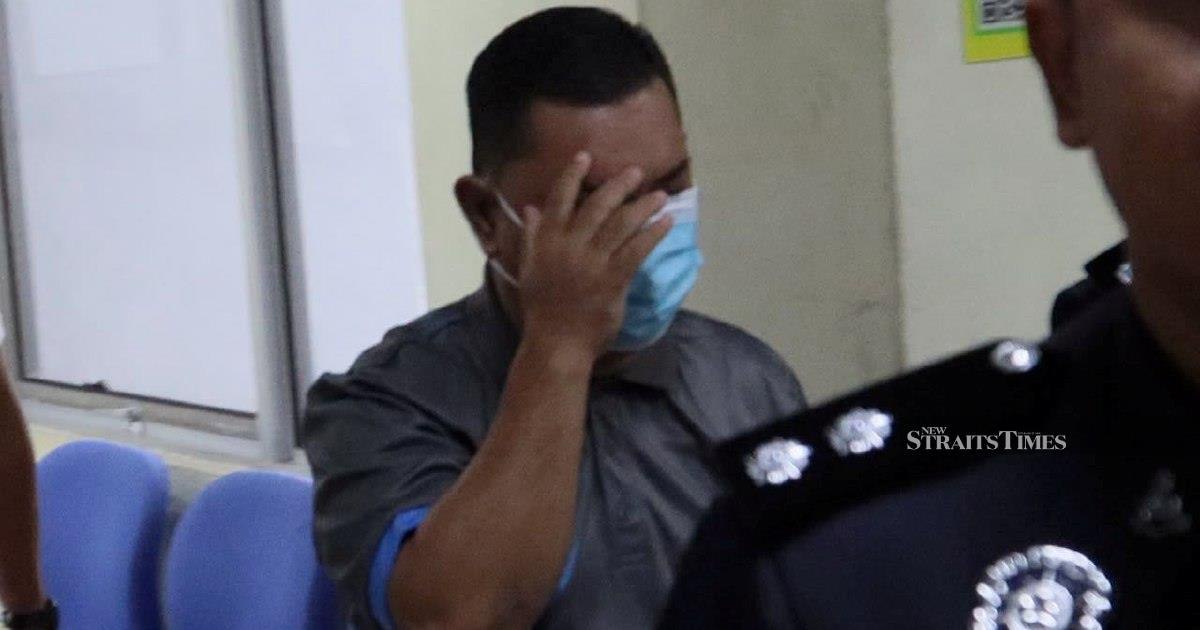
A teacher at a religious school in Butterworth appeared before the Sessions Court to face eight serious charges related to sexual assault and indecency towards male pupils, marking a significant development in what authorities allege constitutes repeated abuse within an educational environment. The charges bring renewed scrutiny to institutional accountability and child protection measures in Malaysia's diverse schooling sector, particularly in religious institutions where governance structures and oversight mechanisms often operate with limited external transparency.
The allegations against the educator underscore a troubling pattern that has emerged across Southeast Asia regarding abuse within school environments. Malaysian child welfare advocates have previously raised concerns about underreporting of such incidents, suggesting that many cases go undocumented or are internally resolved through administrative channels rather than formal legal proceedings. This particular case, brought to the attention of authorities and proceeding through the court system, represents one of the rare instances where formal charges are filed against an educator accused of multiple offences against students.
The nature of the charges—encompassing both sexual assault and outraging of modesty—indicates a spectrum of alleged misconduct that prosecutors believe warrants individual legal attention. Sexual assault charges in Malaysian law carry substantial penalties upon conviction, reflecting the severity with which courts treat such violations against minors. The dual characterisation of the allegations allows prosecutors to establish different legal grounds for liability, broadening the evidentiary foundation of their case and addressing variations in the alleged conduct.
Religious schools in Malaysia occupy a distinct position within the education landscape, serving communities seeking faith-based instruction integrated with academic curriculum. These institutions often maintain separate governance from the federal education system, with management frequently delegated to religious bodies or independent boards. This structural autonomy, while respecting institutional and religious freedoms, has occasionally created gaps in oversight when compared with government-run schools subject to Ministry of Education protocols and inspections. The present case highlights the imperative for consistent safeguarding standards across all educational settings, regardless of their religious affiliation or governance structure.
The Butterworth location places the incident within Penang's educational ecosystem, a state with significant Muslim and non-Muslim school populations. Penang has previously experienced high-profile cases involving institutional accountability and child protection, making this prosecution particularly visible within regional discourse about educational ethics and administrative responsibility. Local parents and educators will likely scrutinise both the judicial process and the school's institutional response, including whether adequate warning systems existed and internal reporting mechanisms functioned appropriately.
For Malaysian parents and guardians, cases involving educators accused of sexual misconduct generate profound anxiety regarding the trustworthiness of school environments. Educational institutions represent spaces where children are entrusted to professionals, creating an implicit social contract regarding protection and appropriate conduct. Breaches of this contract, particularly when systematic or repeated, damage community confidence in educational oversight and raise questions about recruitment, training, and monitoring procedures. Schools increasingly face pressure to implement transparent safeguarding policies, mandatory reporting protocols, and regular background verification systems.
The judicial process now unfolding will establish whether evidence presented by prosecution meets the threshold for conviction on multiple counts. Malaysian courts have previously convicted educators on similar charges, resulting in substantial prison sentences that reflect judicial recognition of the gravity of such violations. The outcome of this particular case will reverberate through educational institutions across the country, potentially influencing how schools approach staff vetting and student protection mechanisms.
International child protection standards, established by organisations including UNICEF and aligned with United Nations conventions on children's rights, emphasise institutional responsibility for creating safe environments and establishing clear reporting pathways. Malaysian schools, particularly those operating at a remove from federal oversight, may benefit from adopting comprehensive safeguarding frameworks that include confidential reporting mechanisms for students, mandatory training for staff regarding appropriate boundaries, and transparent investigation procedures. Such frameworks, when properly implemented, often serve simultaneously as protective measures and institutional defence mechanisms.
The religious school sector specifically faces the additional challenge of maintaining cultural and faith-based integrity while conforming to contemporary standards of child protection and institutional accountability. These objectives need not be in tension; indeed, many Islamic and other faith-based educational philosophies emphasize ethical conduct and student wellbeing as central values. Integrating robust safeguarding practices into the operational and theological framework of religious schools allows these institutions to strengthen rather than compromise their foundational commitments.
For the broader Southeast Asian region, Malaysian legal proceedings involving educator misconduct serve as benchmarks for how regional jurisdictions address similar allegations. Countries including Singapore, Thailand, and Indonesia have grappled with comparable cases, each developing distinct legal and administrative responses. Malaysia's handling of this prosecution, including conviction rates, sentencing standards, and subsequent institutional reforms, influences regional discussions about educational accountability and child protection as shared priorities transcending national boundaries.
The alleged victims in this case—young male students—represent a subset of abuse survivors whose experiences often remain underreported due to cultural factors, masculinity norms, and shame dynamics that discourage disclosure. Recognition that boys and young men experience sexual abuse within educational settings challenges prevailing assumptions about gendered victimization and expands understanding of institutional vulnerability. Educational authorities and child protection specialists increasingly recognize that comprehensive safeguarding must account for all students regardless of gender.
As the Sessions Court examines evidence in this case, the proceedings will inform ongoing discussions within Malaysian society about institutional transparency, child protection standards, and the balance between institutional autonomy and public accountability. The outcome will likely influence both immediate policy responses within the religious school sector and broader considerations about how Malaysian educational institutions can strengthen safeguarding while maintaining their distinctive educational missions and community roles.

