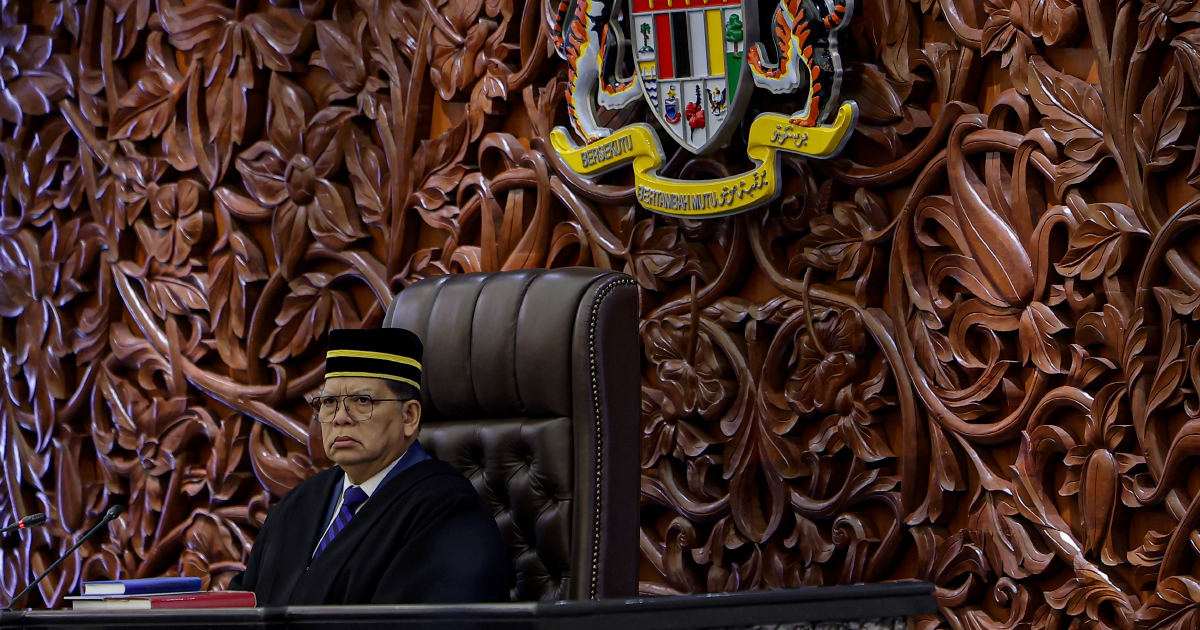
Parliament will hear the results of an extensive investigation into Tabung Haji's operations when Minister in the Prime Minister's Department (Religious Affairs) Dr Zulkifli Hasan presents the Royal Commission of Inquiry (RCI) findings at a special sitting scheduled for next week. The presentation marks a significant moment in efforts to address concerns raised about Malaysia's premier Islamic pilgrimage savings fund, which has long been a cornerstone of financial management for Muslim citizens planning their hajj journeys.
Tabung Haji has served Malaysian Muslims for decades, collecting regular deposits from millions of contributors who view it not merely as a savings mechanism but as a sacred trust toward fulfilling one of Islam's Five Pillars. The establishment of the RCI underscores the severity of governance questions that emerged regarding the fund's investments, management practices, and financial sustainability. The inquiry's mandate would have encompassed a thorough examination of how the institution deployed contributor funds, the decisions underpinning its investment strategies, and potential weaknesses in internal controls and oversight mechanisms.
The timing of this parliamentary presentation carries particular weight for Malaysian Muslims and policymakers alike. Tabung Haji's stability directly impacts millions of families who depend on regular profit distributions and reliable access to their accumulated savings. Any systemic issues identified by the RCI would necessitate urgent corrective measures to restore public confidence in an institution that occupies a unique position within Malaysia's Islamic financial ecosystem. The special sitting arrangement suggests the government recognizes the importance of this matter and intends to give it dedicated parliamentary attention rather than relegating it to routine business.
Dr Zulkifli Hasan's portfolio encompasses religious affairs across federal jurisdiction, positioning him as the logical choice to present these findings to lawmakers. His background and responsibilities mean he will likely field parliamentary questions about remedial actions, regulatory reforms, and safeguards to prevent recurrence of any identified deficiencies. The minister's presentation will serve as the formal conduit through which parliament and the public receive official acknowledgment of the RCI's conclusions.
The RCI process itself represents a investigative approach typically reserved for matters of substantial public concern. By empowering a Royal Commission rather than relying solely on internal audits or regulatory inspections, the government signaled recognition that Tabung Haji's issues warranted independent, rigorous scrutiny. The commission would have examined documentary evidence, heard testimony from senior management and relevant stakeholders, and applied forensic analysis to complex financial transactions spanning multiple years.
For Malaysian Muslims, particularly the younger generation entering their working years and beginning to contribute to Tabung Haji, the RCI findings will shape confidence in the institution's future. Hajj aspirants often view their Tabung Haji account not merely as an investment but as a repository of religious intention and financial discipline. Any revelation of mismanagement would extend beyond technical financial concerns to touch deeply held cultural and spiritual relationships with the pilgrimage savings mechanism.
The special parliamentary sitting will also provide opposition lawmakers and backbenchers opportunity to scrutinize the RCI's conclusions and question the government on implementation of any recommendations. Parliamentary debate following such presentations frequently crystallizes public understanding of complex issues and establishes accountability markers that civil society organizations and media outlets monitor in subsequent months and years. The sitting will thus serve as an important public record of how Malaysia's political leadership responds to institutional challenges within the Islamic financial system.
Regional observers monitoring Malaysia's Islamic finance sector will also pay close attention to the RCI findings and parliamentary response. Southeast Asia's Muslim-majority nations increasingly look to Malaysia as a bellwether for best practices in Shariah-compliant financial management and governance. The manner in which authorities address Tabung Haji's challenges will signal broader competence in regulating Islamic financial institutions and protecting Muslim retail investors across the region.
The presentation next week will likely set the stage for legislative or regulatory reforms affecting how Tabung Haji operates going forward. Recommendations might span governance restructuring, enhanced transparency requirements, stricter investment guidelines, or strengthened oversight mechanisms. Parliament's receipt and endorsement of such recommendations would provide political legitimacy for implementing substantive changes that restore institutional confidence and financial soundness.
Beyond parliament, the RCI findings will reverberate through Malaysia's broader financial regulatory framework. Bank Negara Malaysia, the Securities Commission, and other relevant authorities will need to assess whether Tabung Haji's challenges reveal systemic weaknesses in Islamic financial supervision more broadly. The special sitting will thus constitute not merely a parliamentary procedural moment but a potential inflection point in Malaysia's commitment to robust governance within its Islamic financial institutions, with implications extending well beyond the hajj savings mechanism itself.

