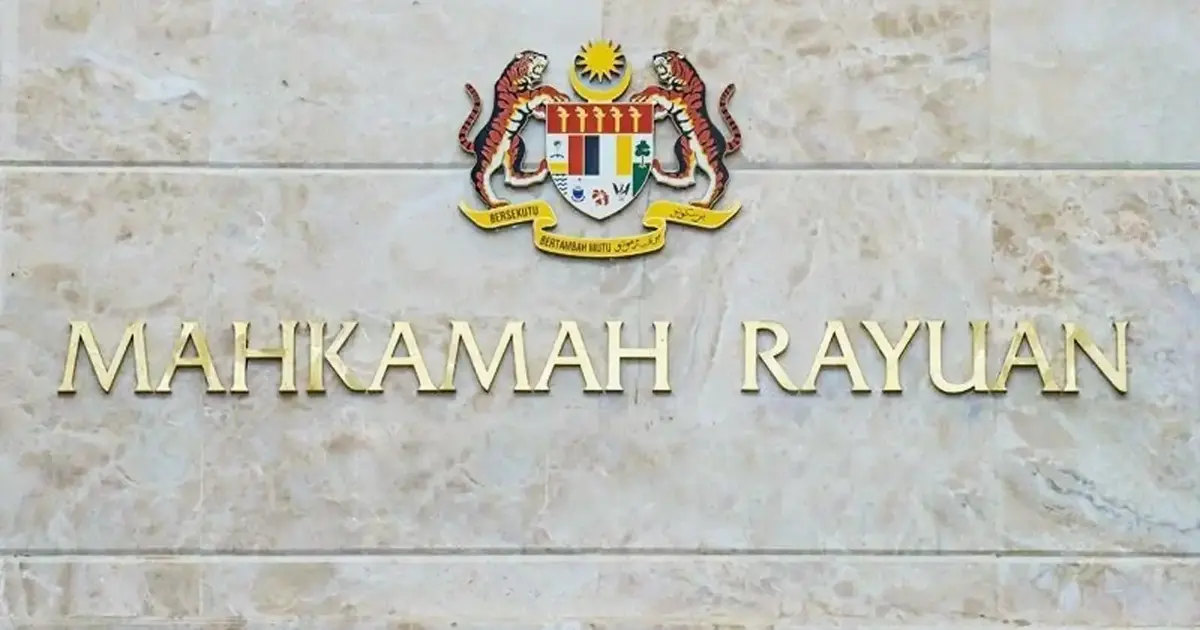
The Court of Appeal in Malaysia has delivered a significant ruling on the legal standing of registered societies, determining that such organisations are fundamentally unable to pursue defamation claims against those who damage their reputation. The judgment came through the dismissal of an appeal filed by Pertubuhan Ikram Malaysia, a prominent registered society, establishing important precedent regarding the legal capabilities and limitations of non-profit organisations operating under Malaysian law.
At the heart of the court's reasoning lies a critical distinction in Malaysian jurisprudence between entities that possess full legal personality and those that do not. Registered societies, despite their prevalence across the Malaysian civil society landscape, have been determined to lack the formal legal personality required to be parties to defamation proceedings. This legal personality—the capacity to own property, enter contracts, and pursue claims in their own name—is considered essential for an entity to claim that its reputation has been harmed and therefore eligible for remedies through the courts.
Pertubuhan Ikram Malaysia's appeal sought to challenge this principle, arguing that organisations like itself, which operate publicly and maintain a public-facing reputation, should enjoy the same protections available to individuals and registered companies. The society's case represented a broader push by civil society organisations to secure legal remedies against what they viewed as damaging statements. However, the appellate court rejected this reasoning, maintaining that the legal framework distinguishing between different classes of entities remains intentional and binding.
The implications of this ruling extend throughout Malaysia's non-profit sector, where registered societies constitute a substantial portion of community organisations, welfare groups, professional associations, and advocacy networks. The decision effectively creates a protective gap for defamatory statements made against such organisations—critics and detractors can make allegations about registered societies with reduced legal exposure compared to making equivalent statements about companies or individuals. This disparity raises questions about whether current legal frameworks adequately protect the reputational interests of organisations that play significant roles in Malaysian society.
For Southeast Asia more broadly, this ruling reflects ongoing tensions between legal tradition and evolving social structures. Many countries in the region continue to operate under legal systems that predate the explosion of formal civil society organisations. As non-governmental and community-based entities have proliferated, legal frameworks have not always kept pace, creating situations where modern organisational structures operate within outdated statutory categories. Malaysia's court decision underscores how these inherited legal classifications can create unexpected consequences for contemporary institutions.
The distinction between registered societies and incorporated companies becomes particularly significant when considering that registration is often the default pathway for grassroots organisations lacking capital or requiring limited liability protection. Many community groups, religious organisations, and charitable bodies register as societies rather than undertaking the more complex and expensive process of corporate incorporation. The court's ruling means these organisations operate at a systematic disadvantage in defending their public standing and institutional reputation through legal action.
Legal observers note that the decision does not prevent individuals associated with registered societies from pursuing personal defamation claims, nor does it shield organisations from other legal remedies such as seeking injunctions or pursuing claims under other statutes. However, these alternative routes are narrower and require greater personal involvement from organisational members, creating practical barriers to accessing justice. The ruling essentially establishes that reputation, while valuable to registered societies, enjoys different legal protection depending on an organisation's formal classification.
The Court of Appeal's reasoning appears grounded in a literalist interpretation of the Societies Act, which does not explicitly grant registered societies the legal personality necessary to sue or be sued in their own name. Rather than reading contemporary values of civil society protection into the statute, the court chose to apply the framework as written, reflecting a conservative approach to judicial interpretation that defers legislative innovation to Parliament. This approach has merit in maintaining clear boundaries around judicial authority, but raises policy questions about whether the legislation itself requires updating.
For Malaysian organisations engaged in advocacy, journalism, or public commentary, this ruling offers important clarification regarding potential legal exposure. Statements about registered societies will not face defamation liability through society-initiated lawsuits, though defamation law remains complex and depends on context, truth, and other defences. Nevertheless, the practical effect is to reduce one category of legal risk when making public statements that concern registered organisations rather than corporate entities or individuals.
The decision may prompt civil society organisations to consider alternative legal structures, including formal incorporation, to secure equivalent protections available to companies. Larger, well-resourced organisations might find incorporation justified by their reputational interests and operational sophistication. However, this option remains impractical for countless smaller groups, from neighbourhood associations to volunteer-based charities, for whom registration as societies represents the appropriate and accessible choice.
Parliament may face pressure to amend the Societies Act to address this gap, either by granting registered societies greater legal personality for defamation purposes or by establishing alternative mechanisms for organisational reputation protection. Any such reform would require careful calibration to preserve legitimate protections for free speech while ensuring that organisations serving public purposes enjoy meaningful recourse against malicious falsehoods. For now, the Court of Appeal's judgment stands as the operative legal standard, reshaping the landscape of civil society legal protections in Malaysia.