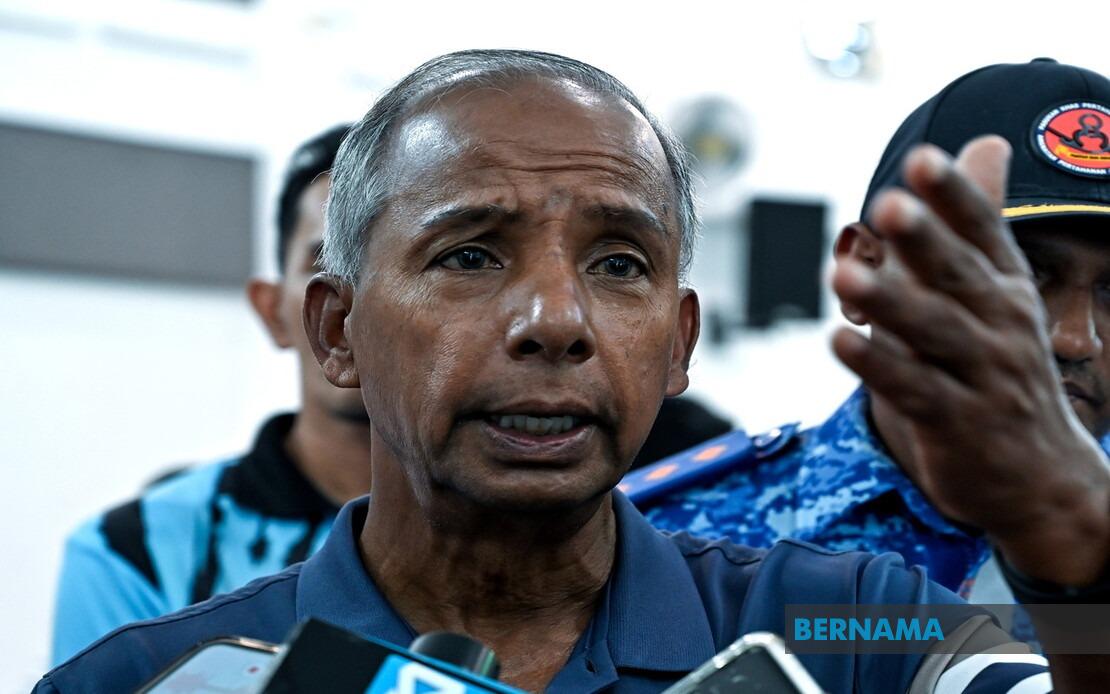
A severe storm with unusual characteristics struck several neighbourhoods around Bercham in Ipoh yesterday afternoon, leaving destruction across five distinct areas and affecting more than 240 residential properties alongside eight commercial establishments. The meteorological event, which unfolded around 3 pm, has been attributed to a landspout phenomenon—a rare occurrence that has not previously been documented in these communities, according to officials who inspected the damage today.
Ipoh Barat Member of Parliament M. Kulasegaran, who serves as Deputy Minister in the Prime Minister's Department (Law and Institutional Reform), visited the affected areas to assess the situation and observe victim registration efforts. In remarks made at Dewan Senator Dato' Shamsuddin in Kampung Tersusun Tasek, he characterised the storm as fundamentally different from typical weather events that have historically impacted the region. While previous weather disturbances in recent years have generally resulted in fallen trees or comparatively minor structural damage, yesterday's incident demonstrated the destructive force of a concentrated atmospheric phenomenon, with impact patterns resembling those associated with small-scale typhoons.
The severity of structural damage has created immediate concerns among residents, particularly regarding the vulnerability of homes with compromised roofing to anticipated rainfall in the coming days. Recognising this urgency, Kulasegaran indicated that the Implementation Coordination Unit under the Prime Minister's Department had been mobilised to dispatch contractors capable of executing rapid repairs. His statement suggested that officials were attempting to complete priority restoration work before conditions deteriorated, underscoring the time-sensitive nature of the emergency response.
Police involvement in the aftermath has focused on maintaining public order and facilitating the systematic documentation required for relief distribution. Ipoh district police chief ACP Muhammad Najib Hamzah reported that 121 formal damage reports had been filed as of this morning, though he cautioned that this figure did not represent the final count. The incomplete reporting reflects the complex realities of disaster assessment—some property owners are currently away from their residences, while others have leased their homes to tenants who may not have filed reports or even remained at the premises during the storm. The actual extent of losses and the definitive number of affected households therefore remains subject to further verification.
Security measures implemented by police include area closures and controlled access checkpoints to prevent disruption to residents engaged in debris clearance and contractors undertaking repairs. Traffic personnel have been stationed throughout the affected zones to manage movement and safeguard the properties of displaced families. This coordinated enforcement reflects recognition that active reconstruction phases necessitate careful crowd management, particularly in densely populated areas where residents are intensively conducting clean-up operations during daylight hours.
The Perak Civil Defence Force has documented the immediate physical consequences of the meteorological event, recording numerous instances of uprooted trees, structural roof damage, and downed electrical infrastructure. These incidents, while alarming in their scope, have largely been resolved through coordinated response efforts. The civil defence special operations unit chief, Captain (PA) C. Sehgar, noted that approximately 200 homes sustained damage, a figure consistent with early assessments though slightly lower than police documentation of affected properties. This discrepancy likely reflects differences in how damage severity is classified and categorised by different agencies.
The restoration effort has mobilised multiple government and municipal agencies functioning in parallel. The Ipoh City Council has assumed primary responsibility for debris removal and environmental clearance, operating in coordination with civil defence personnel who continue liaising with community representatives and local authorities to gather comprehensive damage information. Initial relief provisions are being channelled through the Social Welfare Department in partnership with traditional village leadership structures, leveraging existing community networks to reach vulnerable households efficiently.
Culasegaran's visit included a specific directive for affected residents to lodge formal police reports, recognising that official documentation represents a prerequisite for accessing government assistance programmes. This administrative requirement, while seemingly bureaucratic, serves the practical function of creating verifiable records that prevent duplicate claims and ensure resources reach genuine victims. The coordination between police, civil defence, social welfare, and local government reflects the structured approach Malaysian authorities deploy when responding to natural disasters affecting concentrated residential populations.
The absence of fatalities represents a significant fortunate outcome, particularly given the intensity of damage to structures that typically house families during afternoon hours. Kulasegaran's invocation of thanksgiving for this outcome acknowledges both the severity of the event and the protective circumstances that prevented casualties. However, the psychological impact on residents confronting sudden destruction of their homes and the immediate housing security concerns for families with damaged roofs cannot be measured solely by absence of injury statistics.
The incident raises important questions about climate variability and weather phenomenon frequency in Perak's urban areas. Officials have characterised the landspout as historically unprecedented in these specific locations, yet the increasing documentation of extreme weather events across Malaysia suggests that residents and planners may need to reassess infrastructure resilience standards. The comparative statement that this event resembled typhoon-force conditions—despite occurring in an inland urban setting—indicates that the meteorological phenomena affecting Malaysian communities may be evolving in ways that existing building codes and preparedness protocols have not fully anticipated.
%22%2F%3E%3C%2Fpattern%3E%3C%2Fdefs%3E%3Crect%20width%3D%22100%25%22%20height%3D%22100%25%22%20fill%3D%22url(%23ph4977zg)%22%2F%3E%3Crect%20width%3D%22100%25%22%20height%3D%22100%25%22%20fill%3D%22url(%23ph4977zp)%22%2F%3E%3Ctext%20x%3D%2250%25%22%20y%3D%2250%25%22%20text-anchor%3D%22middle%22%20dominant-baseline%3D%22central%22%20fill%3D%22rgba(255%2C255%2C255%2C0.95)%22%20font-family%3D%22Georgia%2C%20'Times%20New%20Roman'%2C%20serif%22%20font-weight%3D%22700%22%20font-size%3D%22194%22%20letter-spacing%3D%22-0.02em%22%3EBernama%3C%2Ftext%3E%3C%2Fsvg%3E)
%22%2F%3E%3C%2Fpattern%3E%3C%2Fdefs%3E%3Crect%20width%3D%22100%25%22%20height%3D%22100%25%22%20fill%3D%22url(%23ph6mrcg)%22%2F%3E%3Crect%20width%3D%22100%25%22%20height%3D%22100%25%22%20fill%3D%22url(%23ph6mrcp)%22%2F%3E%3Ctext%20x%3D%2250%25%22%20y%3D%2250%25%22%20text-anchor%3D%22middle%22%20dominant-baseline%3D%22central%22%20fill%3D%22rgba(255%2C255%2C255%2C0.95)%22%20font-family%3D%22Georgia%2C%20'Times%20New%20Roman'%2C%20serif%22%20font-weight%3D%22700%22%20font-size%3D%22194%22%20letter-spacing%3D%22-0.02em%22%3ETelekom%3C%2Ftext%3E%3C%2Fsvg%3E)
%22%2F%3E%3C%2Fpattern%3E%3C%2Fdefs%3E%3Crect%20width%3D%22100%25%22%20height%3D%22100%25%22%20fill%3D%22url(%23ph2yq5wg)%22%2F%3E%3Crect%20width%3D%22100%25%22%20height%3D%22100%25%22%20fill%3D%22url(%23ph2yq5wp)%22%2F%3E%3Ctext%20x%3D%2250%25%22%20y%3D%2250%25%22%20text-anchor%3D%22middle%22%20dominant-baseline%3D%22central%22%20fill%3D%22rgba(255%2C255%2C255%2C0.95)%22%20font-family%3D%22Georgia%2C%20'Times%20New%20Roman'%2C%20serif%22%20font-weight%3D%22700%22%20font-size%3D%22194%22%20letter-spacing%3D%22-0.02em%22%3EBernama%3C%2Ftext%3E%3C%2Fsvg%3E)