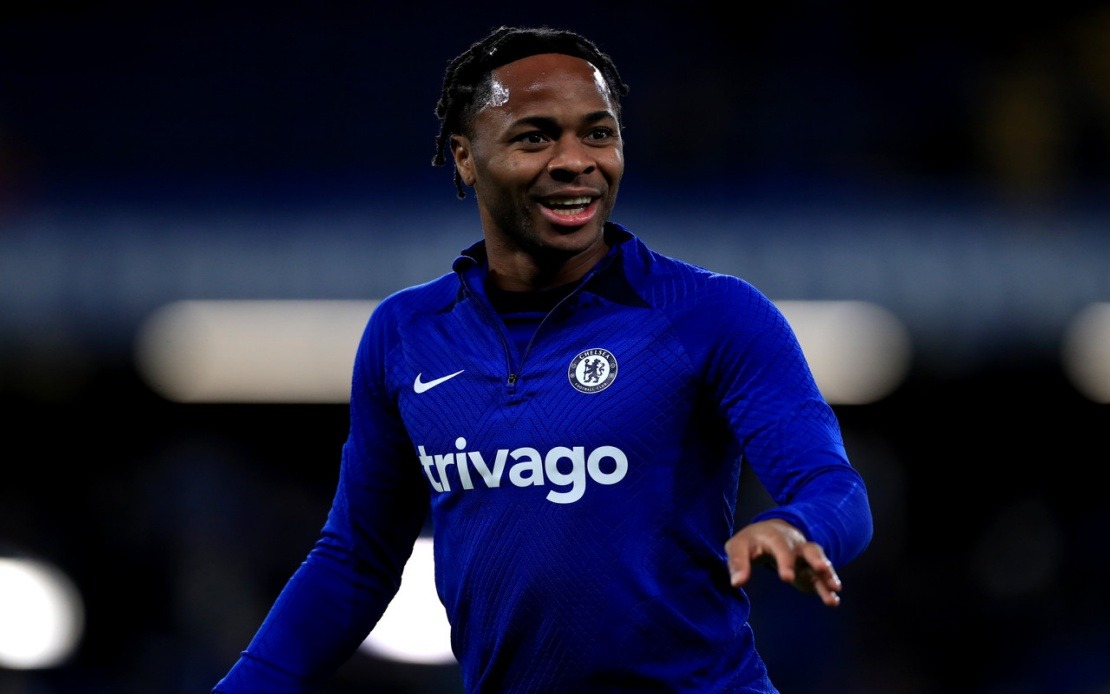
Raheem Sterling, the accomplished English footballer who represented his country 82 times, now faces serious motoring charges stemming from an incident on one of Britain's busiest motorways. Hampshire and Isle of Wight Constabulary confirmed the 31-year-old has been charged with dangerous driving, possessing nitrous oxide with intent to inhale, and failing to provide a specimen following a collision on the M3 southbound near Minley interchange on May 28. The charges mark a significant development in a case that has drawn considerable attention given Sterling's prominence in world football and his previous advocacy work on social issues.
The crash itself involved a solitary vehicle—a Lamborghini—with no other cars implicated in the incident and no reported injuries resulting from the collision. Such circumstances raise questions about how the charges of dangerous driving came to be pursued by authorities, particularly regarding the additional allegation of possession related to nitrous oxide, commonly known as laughing gas. The specifics of how investigators determined the driver's condition at the time of the crash remain unclear from the police statements released to date.
Sterling is scheduled to make his appearance at Basingstoke Magistrates' Court on September 15, where the case will be heard. This timing falls during a period when the football world's attention will likely turn toward the new season, making the court hearing a potentially significant moment for the player's professional and personal reputation. The outcome of the proceedings could have substantial ramifications for his current club arrangements and future career prospects in professional football.
The defendant's footballing pedigree is considerable. Over his international career with England, Sterling accumulated 20 goals in 82 appearances, demonstrating consistent excellence at the highest level. He was instrumental in Gareth Southgate's England side that reached the 2018 World Cup semifinals and more recently the Euro 2020 final, tournaments that showcased his technical abilities and competitive drive on the continental stage.
Sterling's club career has been equally distinguished, though his recent trajectory shows signs of turbulence. He progressed through the youth system at Queens Park Rangers before securing a move to Liverpool, where he developed as a senior player. His 2015 transfer to Manchester City proved transformative, yielding substantial silverware including four Premier League titles, five League Cups, and the 2019 FA Cup. These achievements established him as one of the Premier League's elite performers during that period.
However, his subsequent move to Chelsea in 2022 failed to replicate that success. After becoming marginalised at Stamford Bridge, Sterling spent the 2024-25 season on loan at Arsenal, suggesting his position at Chelsea had become untenable. More recently, he secured a short-term deal with Dutch club Feyenoord until the conclusion of the current season, indicating efforts to revitalise his career away from English football.
Beyond his playing achievements, Sterling has cultivated a reputation as an advocate for social causes, particularly in combating racism and discrimination within sport. The honours system recognised this commitment in the 2021 Queen's Birthday Honours, when he received an MBE for his services to racial equality in sport. This recognition acknowledged years of public campaigning against intolerance, discrimination, and racist behaviour both within and beyond football.
His activism became particularly visible during the debate surrounding players taking the knee before matches as a gesture against racial injustice. Sterling was among prominent voices speaking out against racism, despite considerable controversy as some England supporters booed players engaging in this protest. His willingness to speak boldly on these matters established him as a thoughtful athlete willing to use his platform for purposes beyond football.
The contrast between Sterling's public advocacy for equality and fairness, and the serious nature of the charges he now faces, creates a complicated narrative. The dangerous driving allegation, in particular, represents the kind of reckless behaviour that endangers others on public roads—a matter quite removed from his previous public position-taking. The additional charge related to nitrous oxide possession adds further complexity to the situation, though the specific circumstances remain to be explored through the legal process.
For Malaysian and Southeast Asian observers, Sterling's case may serve as a reminder that even globally recognised figures in sport are subject to the same legal systems as ordinary citizens, and that serious motoring violations carry significant consequences regardless of professional standing or previous philanthropic work. The case also illustrates how quickly public reputations can be jeopardised by legal troubles, a lesson relevant across cultures and sporting contexts.
As Sterling awaits his September court date, questions persist about the circumstances of the crash, the evidence underlying the charges, and the potential outcomes. The legal process will determine the validity of the allegations, and Sterling's legal team will presumably mount a defence against charges that carry the potential for substantial penalties if proven. Regardless of the court's decision, the incident has already affected public perception of a player who had endeavoured to build a legacy extending well beyond his athletic achievements.

