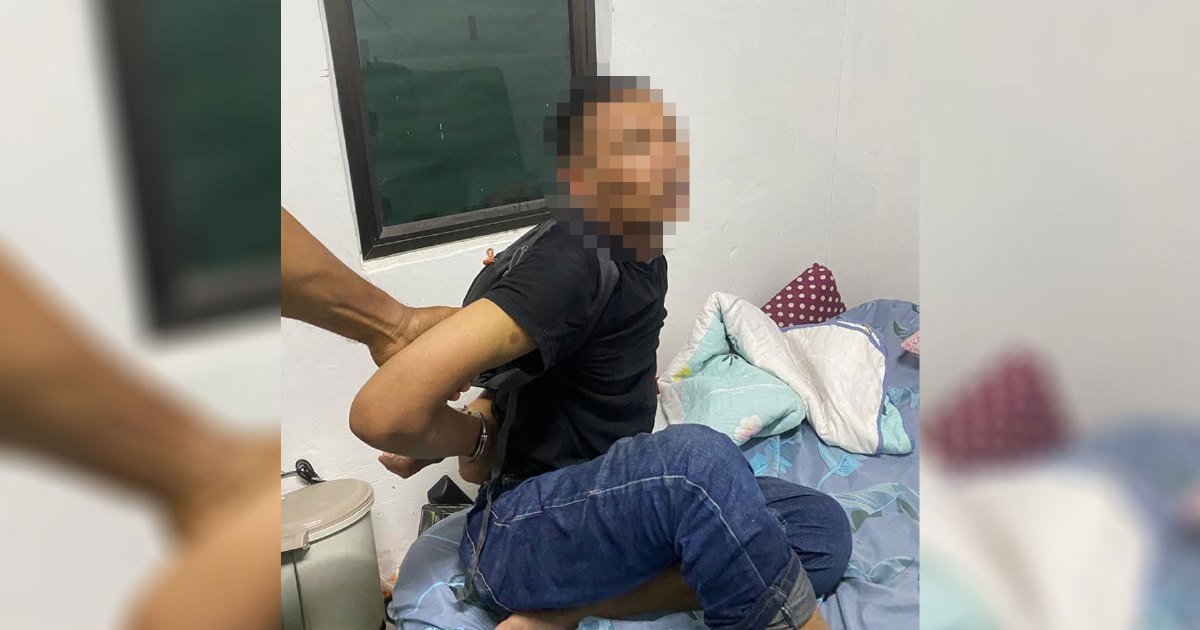
Johor Baru police moved with impressive speed on Tuesday, apprehending a 48-year-old suspect accused of trespassing into a private residence in Kampung Melayu Majidee within just 20 minutes of receiving the alert. The rapid arrest underscores the state police contingent's commitment to addressing property intrusion complaints, a concern that has grown increasingly prevalent in residential neighbourhoods across the Klang Valley and southern regions.
The incident, which unfolded in the densely populated Kampung Melayu Majidee area, reflects the broader pattern of residential security concerns affecting Malaysian urban and semi-urban communities. Homeowners in such neighbourhoods have expressed mounting anxiety over unauthorised entries, whether motivated by theft, harassment, or other criminal intent. The swift police response in this case provides a measure of reassurance to residents grappling with these vulnerabilities.
While details surrounding the circumstances of the alleged trespass remain limited, the speed of the police operation points to effective coordination between residents who reported the incident and the patrol units dispatched to the scene. The 20-minute window between alert and arrest suggests that either the suspect remained in the vicinity or that precise information about the alleged offender enabled officers to locate him quickly in the neighbourhood.
House intrusions present particular concerns for Malaysian families, who often invest substantial resources in home security systems, reinforced gates, and neighbourhood watch initiatives. The psychological impact of having one's private space violated extends beyond material loss, creating a sense of vulnerability that can persist long after the physical security has been restored.
The Johor Baru operation exemplifies the kind of neighbourhood policing that community advocates argue is essential in modern urban Malaysia. Rapid response capabilities, combined with community awareness and cooperation, create a deterrent effect that may discourage would-be offenders from attempting similar crimes in the area. This collaborative approach between police and residents has proven effective in several pilot projects across the country.
Propertyty crime investigations typically involve gathering evidence at the scene, including footage from closed-circuit television cameras that are increasingly common in residential areas. In this case, the quick apprehension suggests that either CCTV footage or eyewitness accounts provided crucial leads that accelerated the police pursuit.
The charge of trespass, while sometimes perceived as less serious than burglary or housebreaking, remains an important legal matter in Malaysian jurisprudence. The Penal Code treats unlawful entry into another person's property as a criminal matter, particularly when the intent involves potential mischief or theft. Establishing clear boundaries and enforcing property rights forms a cornerstone of residential security policy.
For residents of Kampung Melayu Majidee and similar neighbourhoods across Johor and beyond, incidents like these underscore the importance of remaining vigilant and promptly reporting suspicious activity. The Johor police's demonstrated capacity to respond within 20 minutes may serve as a model for other districts seeking to enhance their crime prevention capabilities and response times.
The case also highlights the role of modern surveillance infrastructure in supporting police investigations. Properties equipped with recording devices and alarm systems create an environment where potential offenders understand that their actions are more likely to be documented and traced. This technological deterrent, combined with active police patrols and community engagement, represents a comprehensive approach to residential security.
Moving forward, law enforcement agencies across Malaysia will likely continue emphasising rapid response capabilities and inter-agency coordination as key strategies for maintaining neighbourhood safety. The success in Johor Baru's case demonstrates that when systems function smoothly and communities remain engaged with local authorities, swift justice becomes attainable. As urban areas continue expanding and demographic pressures increase, maintaining this level of responsiveness will prove essential for preserving residential safety and community confidence in law enforcement.

