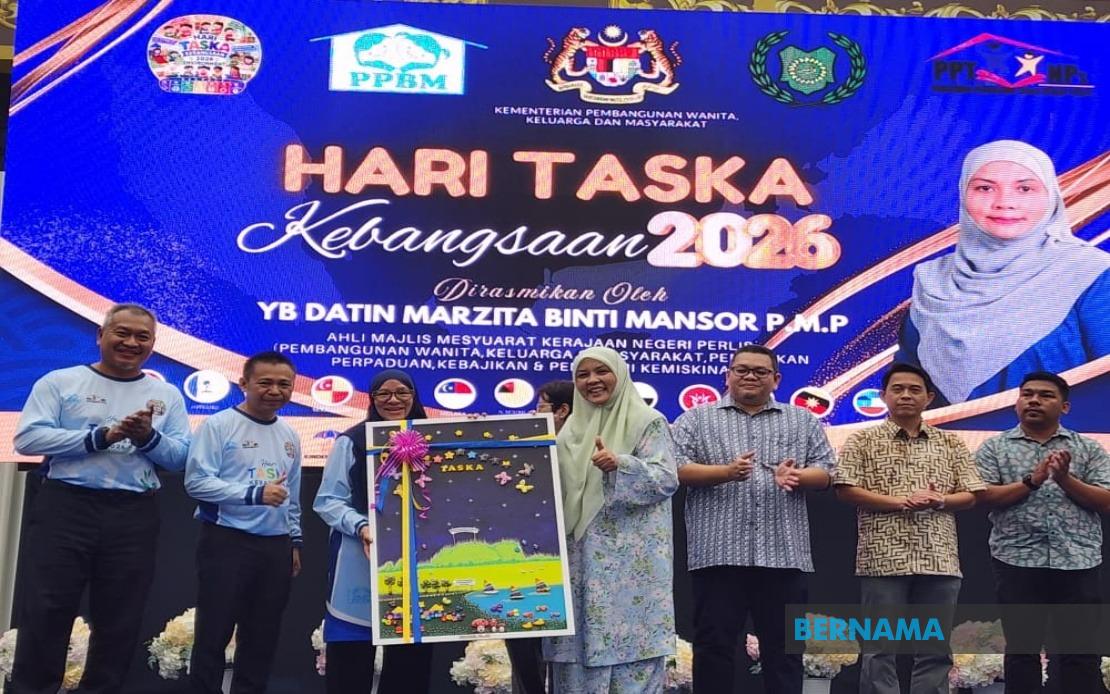
Malaysia's childcare sector must fundamentally shift how it approaches early childhood development, moving beyond the basics of feeding and hygiene to embrace a holistic framework grounded in the Convention on the Rights of the Child. This call came during the 2026 National Childcare Day celebration in Kangar, where the Association of Registered Childcare Providers Malaysia outlined its vision for elevating standards across the nation's childcare centres and promoting stronger commitment to child welfare across families and communities.
Adjunct Professor Norsheila Abdullah, president of the association, articulated a vision of childcare that transcends traditional boundaries. Quality childcare, she argued, demands far more than ensuring children are fed, clean, and physically cared for. Instead, it requires childcare providers and stakeholders to construct environments where children experience comprehensive protection, develop meaningful relationships with caregivers, receive genuine emotional encouragement, access developmental learning opportunities, and are treated with unwavering respect for their individual dignity and fundamental rights as young citizens.
The distinction Norsheila drew is significant for Malaysian policymakers and parents alike. The question is no longer simply whether children are being looked after, but whether they thrive in settings where their voices are heard, their safety is prioritised, and they have space to flourish as distinct individuals deserving of rights and respect. This reframing positions childcare not as a custodial service but as a formative environment integral to child development and social wellbeing. For a rapidly urbanising Malaysia with increasing dual-income households, this elevation of childcare standards has direct implications for millions of families navigating work-life balance while seeking quality developmental support for their young children.
The 2026 National Childcare Day, themed "The Environment as a Driver of Holistic Child Development", was officially inaugurated by Datin Marzita Mansor, chairman of the Perlis Women, Family and Community Development, Education, Unity, Welfare and Poverty Eradication Committee. The choice of theme reflects growing recognition in Southeast Asia that physical and social environments profoundly shape how children learn, relate to others, and develop emotionally and intellectually during their most formative years.
Norsheila emphasised that creating safe, caring, inclusive, and stimulating environments represents a collective undertaking. This responsibility cannot rest solely on childcare providers; parents, extended families, neighbourhood communities, and broader society must all recognise their role in fulfilling children's rights. The framing as shared responsibility is particularly relevant in the Malaysian context, where extended family structures remain important yet are increasingly strained by urbanisation and changing family dynamics. Building consensus around collective childcare responsibility may prove essential for implementing quality standards consistently across both urban centres and rural regions.
Central to the association's advocacy is the principle of "no child left behind"—a commitment to ensuring childcare practices become genuinely inclusive environments responsive to the diverse developmental needs of all children. This encompasses straightforward provision for children with standard developmental trajectories alongside targeted, intentional support for children requiring additional assistance due to disabilities, developmental delays, or other individual circumstances. For Malaysia, a nation committed to inclusive education policies, translating this principle into everyday childcare practices remains an ongoing challenge requiring substantial investment in staff training, accessible facilities, and individualised support systems.
Child safety and protection form non-negotiable cornerstones of quality childcare. Norsheila stressed that this dimension cannot be compromised under any circumstances. Every individual involved in childcare settings must maintain constant vigilance, recognising early warning signs of abuse, neglect, and safety hazards while taking decisive action to intervene when children appear at risk. This requirement extends beyond formal protocols to encompass a cultural shift where every adult in a childcare environment accepts personal responsibility for detecting and reporting concerning patterns or incidents.
The developmental benefits of safe, nurturing childcare environments are well-established across international research. Children who experience consistent care, emotional responsiveness, and physical safety during early years develop substantially stronger foundations for healthy progression across physical development, emotional regulation, social competence, cognitive growth, language acquisition, and character formation. These developmental gains compound over time, creating advantages in school readiness, academic achievement, and long-term life outcomes. The implication for Malaysia is straightforward: investing comprehensively in early childhood development represents not merely charitable provision but strategic national investment in future productivity, social stability, and economic competitiveness.
This perspective reframes how policymakers and communities should approach childcare funding and regulation. Rather than viewing childcare primarily as an ancillary service enabling parental employment, it deserves recognition as foundational infrastructure comparable to education and healthcare in importance for population wellbeing and national development. The quality of Malaysia's childcare sector will substantially influence educational outcomes, workforce readiness, and social cohesion in coming decades, making the standards advocated by Norsheila and the association both morally imperative and economically rational.

