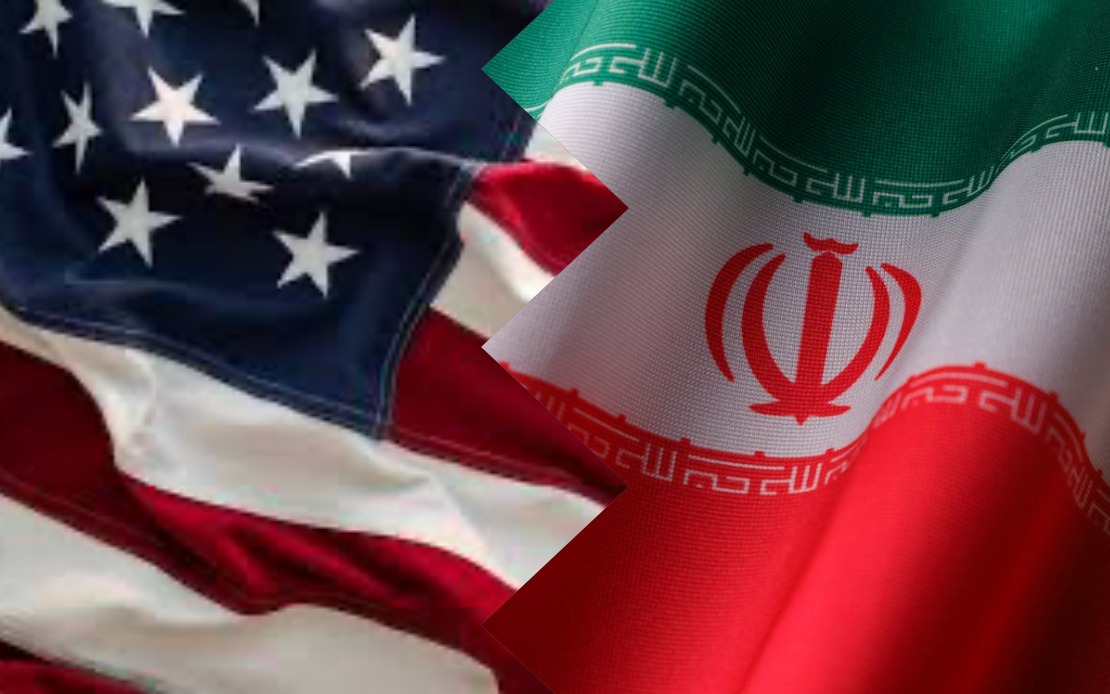
Diplomatic efforts between the United States and Iran have entered a fresh phase of indirect negotiations in Qatar's capital, with both sides reporting constructive movement on key issues. The mediation process, facilitated jointly by Qatar and Pakistan, concluded a round of separate meetings Wednesday in Doha between delegations from Washington and Tehran. According to Qatar's Foreign Ministry spokesman Majed Al Ansari, the discussions generated what both parties characterised as "positive progress" on matters stemming from the Islamabad Memorandum of Understanding, marking a continuation of momentum that originated from the Lake Lucerne Summit.
The diplomatic architecture supporting these talks underscores the delicate balancing act required to keep US-Iran dialogue alive in an increasingly fractious regional environment. Qatar's role as a neutral venue and facilitator reflects its historical position as a bridge-builder between Washington and Tehran, a capacity it has developed over decades of regional engagement. Pakistan's parallel involvement in the mediation signals broader international investment in de-escalating tensions between two powers whose relationship fundamentally shapes Middle Eastern geopolitics. The joint Qatar-Pakistan mediation structure suggests a coordinated approach designed to maintain momentum while allowing each side space for internal deliberation.
The Islamabad Memorandum of Understanding serves as the framework anchoring current discussions, establishing parameters that both delegations have agreed to work within. This document emerged from previous diplomatic initiatives and represents the concrete outcomes that both sides have committed to addressing. The reference to building upon the Lake Lucerne Summit indicates that these talks are not starting from scratch but rather represent progress in an ongoing negotiation process. The sequential linking of these diplomatic milestones demonstrates how international negotiations often unfold through incremental steps rather than sudden breakthroughs.
For Southeast Asian observers, the trajectory of US-Iran relations carries significant implications. The region's strategic calculus depends partly on stability in Middle Eastern affairs, given interconnected energy markets, maritime security interests, and broader geopolitical alignments. Malaysia and other ASEAN nations maintain delicate balancing acts with both Washington and Tehran, and escalation in their bilateral tensions could complicate regional diplomacy and economic relationships. Any progress toward reducing US-Iran hostilities therefore resonates beyond the immediate parties involved.
The timing of these negotiations reflects the complex interplay between diplomatic schedules and regional developments. Both delegations agreed to continue substantive discussions in the coming period, with arrangements for subsequent meetings planned to commence as circumstances permit. However, the statement explicitly acknowledges an immediate practical constraint: the funeral processions of former Iranian Supreme Leader Ali Khamenei, scheduled for Friday, will occupy Iranian leadership's attention and calendar space. This operational acknowledgement reflects how even high-level diplomacy must accommodate national mourning periods and state ceremonies.
Khamenei's death in a US-Israeli military operation on February 28 represents a watershed moment in Iranian politics with ramifications extending into ongoing nuclear and regional security negotiations. The United States and Israel conducted a strike that eliminated one of the region's most influential figures, an action that fundamentally altered Iran's political landscape. That indirect US-Iran talks are nonetheless proceeding suggests a certain compartmentalisation of diplomatic efforts—an effort to maintain channels despite the profound shock of Khamenei's assassination and the succession process now underway in Tehran.
The resilience of these negotiations through such turbulent circumstances demonstrates the commitment both capitals have invested in maintaining communication lines. The formal acknowledgement by Qatar that the funeral will interrupt the schedule, rather than derail diplomacy entirely, signals mutual recognition that the underlying issues motivating these talks remain important enough to warrant continuation despite major political disruptions. This suggests both sides view ongoing dialogue as preferable to allowing tensions to spiral in Khamenei's absence and during Iran's leadership transition.
The choice to conduct talks indirectly rather than through direct engagement reflects the ongoing mutual mistrust and domestic political sensitivities constraining bilateral relations. By meeting with each side separately in neutral Qatar, both delegations preserve negotiating flexibility and protect themselves from political criticism at home regarding face-to-face engagement with their counterpart. This format, while slower and sometimes more cumbersome than direct talks, has proven sustainable over extended periods and allows delegations to test positions without public commitment.
Regional stakeholders including Saudi Arabia, the United Arab Emirates, Israel, and other players with stakes in US-Iran dynamics will likely monitor these talks closely for signals about trajectory. Any substantial progress on the memorandum's terms could reshape regional alignments and security architectures. Conversely, failure or stalling could contribute to further deterioration and increased risk of military escalation. The next scheduled meeting, once funeral ceremonies conclude and Iranian leadership stabilises following succession arrangements, will provide crucial indicators of whether current positive momentum can translate into substantive agreements on the underlying issues dividing these adversaries.

