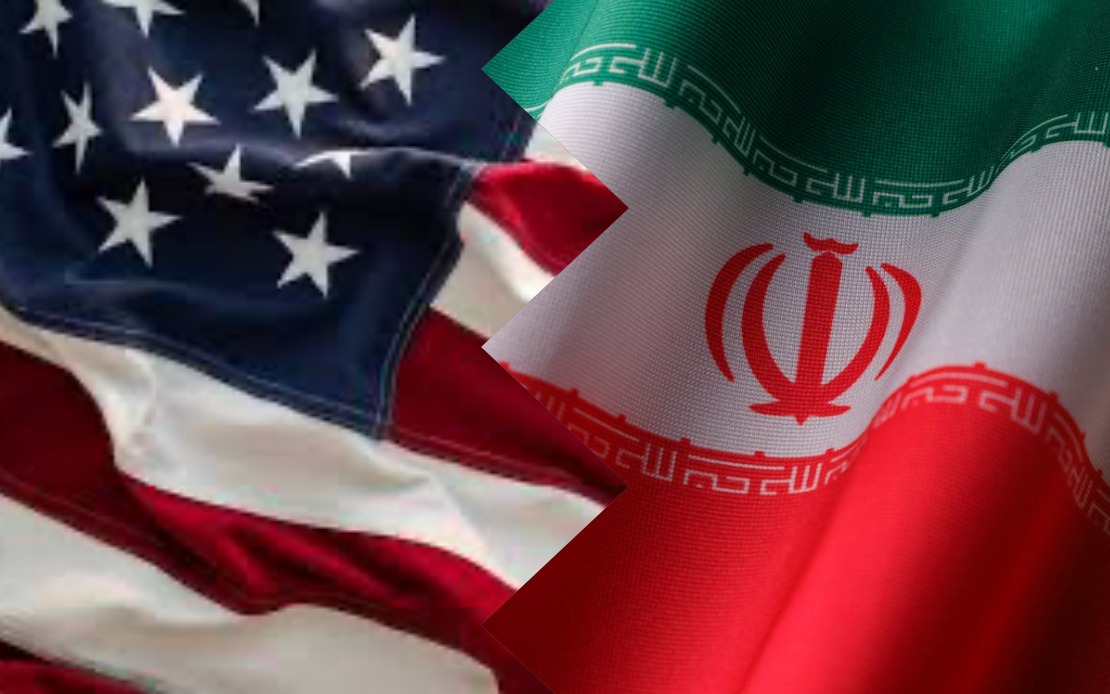
Qatar is pushing for coordinated action among Gulf Cooperation Council members to enforce a US-Iran memorandum of understanding, reflecting growing concerns that the region's fragile peace framework could collapse without unified diplomatic commitment. In separate conversations this week, Prime Minister and Foreign Minister Sheikh Mohammed bin Abdulrahman Al Thani engaged with his counterparts across the UAE, Saudi Arabia, Kuwait, Oman and Bahrain to discuss how the bloc can collectively advance the agreement's implementation and reinforce regional security.
The diplomatic initiative underscores Qatar's self-appointed role as a regional mediator and stabilising force at a time when Middle Eastern geopolitics remain unpredictable. By directly engaging Gulf capitals on this matter, Doha is attempting to create a coordinated framework that would pressure both Washington and Tehran to honour their commitments and prevent future escalations. The emphasis on "joint coordination" suggests that Qatar views fragmented responses from individual Gulf states as insufficient to manage the inherent risks in the US-Iran relationship.
At the heart of these conversations lies a fundamental security concern: the Strait of Hormuz, through which roughly one-third of global seaborne traded oil passes annually. Al Thani specifically highlighted the need to guarantee freedom of navigation through this critical waterway as central to any durable peace arrangement. For Gulf states dependent on unobstructed maritime commerce and energy exports, ensuring that neither the US nor Iran uses naval posturing to disrupt shipping is a vital interest that transcends bilateral relationships.
The memorandum in question represents the most serious diplomatic achievement in US-Iran relations in recent years, having been brokered by Pakistan in June after Washington and Tehran agreed to a ceasefire in April. However, the agreement's durability has already been tested severely. Just last month, the deal effectively unravelled when both sides resumed military strikes against each other over a two-week period, demonstrating how quickly de-escalation frameworks can crumble without sustained political will.
This deterioration occurred within a volatile context shaped by earlier confrontations in February, when US and Israeli forces launched coordinated military operations targeting Iranian positions, followed by Iran's retaliatory strikes across the region. The escalatory spiral illustrated how rapidly miscalculation or domestic political pressures can overwhelm diplomatic agreements in the Middle East. For Malaysia and other Southeast Asian nations with significant maritime interests and energy dependencies, such instability poses direct risks to regional supply chains and shipping security.
Qatar's emphasis on dialogue and diplomacy as the sole path forward carries particular weight given its recent history as a mediator in regional conflicts. The country's ability to maintain channels with both Washington and Tehran—unusual among Gulf monarchies—positions it as a potential broker if tensions spike again. By convening discussions among GCC members, Al Thani is attempting to build a regional consensus that would legitimise and reinforce the peace agreement, making it politically more difficult for either superpower to abandon it unilaterally.
The foreign minister's reiteration of Qatar's "full support for efforts aimed at easing tensions and reaching a comprehensive agreement" signals that Doha sees the current memorandum as incomplete or transitional. This language suggests an underlying recognition among Gulf diplomats that without broader comprehensive measures addressing the root causes of US-Iran antagonism, the current ceasefire remains vulnerable to collapse. The emphasis on achieving "lasting peace across the region" indicates awareness that military agreements alone, without addressing underlying security anxieties and strategic competition, may prove insufficient.
For Malaysia and the broader Indo-Pacific region, the implications of sustained Middle Eastern instability are considerable. Any renewal of open conflict between the US and Iran would disrupt global energy markets, increase shipping insurance costs, and potentially prompt military responses from US allies that could extend instability further eastward. Southeast Asian nations that maintain balanced relationships with both Western and Islamic-majority powers have strong incentives to support Gulf-led diplomatic stabilisation efforts.
The specific focus on bilateral cooperation alongside multilateral coordination suggests that Qatar recognises both the need for concerted regional action and the reality that individual states may have distinct interests and concerns. Saudi Arabia's relationship with Iran differs fundamentally from Oman's, and the UAE has pursued its own diplomatic openings. By framing the memorandum as a shared responsibility requiring coordinated implementation, Qatar is attempting to subsume these differences under a common security architecture.
Looking ahead, the success of Qatar's initiative will depend on whether the memorandum's fragile framework can withstand the domestic political pressures facing both Washington and Tehran. Internal factions in Iran hostile to the agreement, combined with the possibility of escalatory rhetoric in the US political cycle, could undermine implementation regardless of Gulf state coordination. Nevertheless, Qatar's activism signals that regional powers view the alternative—renewed open conflict—as sufficiently threatening to warrant sustained diplomatic effort.

