Lembaga Tabung Haji's involvement with Putrajaya Perdana Bhd has emerged as a cautionary tale of institutional governance failure, with the pilgrimage fund's RM145.3 million loss directly attributed to investment decisions that pulled it into the troubled orbit of 1Malaysia Development Bhd's dealings. The connection between these entities has become more apparent following public disclosure of the Royal Commission of Inquiry report into TH's operations, which identified fundamental weaknesses in decision-making processes during the 2014–2020 period.
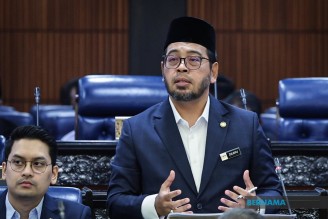
During a parliamentary briefing on the RCI findings, Minister in the Prime Minister's Department (Religious Affairs) Dr Zulkifli Hasan outlined how TH's institutional structure created conflicts of interest that compromised investment judgment. The placement of TH's then-chairman on Putrajaya Perdana's board represented a concerning overlap of governance responsibilities that blurred the lines between independent oversight and strategic decision-making. This arrangement effectively positioned TH as both stakeholder and decision-maker in an entity that was itself enmeshed in 1MDB's transaction network.
The Putrajaya Perdana investment ranked among 14 problematic ventures that collectively drained TH of billions of ringgit, according to findings in the 211-page RCI report released on July 29. What makes this particular case especially troubling is the timing and context of the underlying transactions. TH's acquisition of land at the Tun Razak Exchange from 1MDB occurred when public scrutiny of the sovereign wealth fund was intensifying, raising serious questions about the propriety of TH's participation in such dealings during a period of heightened controversy.
The conflicts of interest extended beyond simple board appointments. Dr Zulkifli highlighted a particularly problematic scenario where TH's chief executive officer simultaneously served on 1MDB's board of directors. This dual role created an inherent tension between fiduciary responsibilities—an executive could potentially prioritise 1MDB's interests or conflicts within 1MDB over TH's institutional wellbeing. The minister pointedly questioned whether investment decisions were made to serve TH's stakeholders or to facilitate solutions for other entities, a query that underscores the fundamental breach of trust that occurred during this period.
The institutional failures extended to TH's handling of its FGV Holdings investment, which represents a parallel case study in poor asset management. Despite TH's successful participation in what was marketed as the nation's most significant initial public offering—which raised over RM10 billion—the fund later sustained losses exceeding RM1 billion as share prices deteriorated. More troubling than the initial loss was TH's response: rather than making commercially rational decisions, the institution modified its impairment accounting policies to obscure declining asset values. Share prices fell by more than eighty per cent, yet TH maintained positions in the holdings while simultaneously adjusting financial reporting standards to hide the mounting losses from public view.
These governance failures reflected deeper systemic problems within TH's institutional framework during the period under review. The Royal Commission identified numerous structural weaknesses in management and operational oversight that enabled poor decision-making to persist without adequate checks and balances. The combination of conflicted leadership, absent independent scrutiny, and accounting manipulations created conditions under which TH's fiduciary obligations to its contributors—predominantly Malaysian pilgrims saving for the Hajj—were systematically subordinated to other institutional interests.
TH's subsequent efforts to recover from these losses demonstrate the severe financial consequences of the earlier period's mismanagement. The fund purchased back the Tun Razak Exchange land it had sold in 2018 for RM400 million, acquiring it at the current market valuation of RM270 million. This transaction, while representing a substantial loss, reflects TH's attempt to rebuild a more stable asset base. Similarly, TH re-acquired the oil palm plantation holdings of UJ Estates, which the fund had previously divested for RM800 million, at the current market value of RM695 million including RM115 million in cash—representing an enterprise value of approximately RM580 million.
These reacquisitions carry particular significance for Malaysian pension and savings fund management generally. They signal that TH, despite operating in a strengthened financial position presently, experienced sufficient asset deterioration during the mismanagement period that it now requires strategic repositioning. For Malaysian investors and pilgrims who are TH contributors, these transactions underscore the real financial consequences of institutional governance lapses—losses that ultimately translate into reduced returns on their mandatory savings for religious pilgrimage.
The RCI's comprehensive investigation, culminating in the public release of its findings, represents an important institutional accountability mechanism. The commission submitted 25 distinct recommendations for operational and management improvements, with seventy-five per cent implemented by TH as of July 30. This implementation rate suggests that TH's current leadership has responded constructively to the identified deficiencies, though the scale of the original losses indicates that even vigorous reform efforts cannot fully compensate for years of compromised decision-making.
For Malaysian policymakers and regulators overseeing sovereign wealth funds and major institutional investors, the Putrajaya Perdana case and broader TH experience provide valuable lessons about governance architecture. The entanglement of TH's leadership with 1MDB's structures reveals how institutional boundaries can become dangerously porous when overlapping board memberships and executive roles are inadequately scrutinised. The subsequent accounting policy modifications employed to mask deteriorating asset values highlight the vulnerability of reporting frameworks when internal governance controls are weak.
The establishment of the RCI in 2021, with members appointed in January 2022 and the report presented to the Yang di-Pertuan Agong on August 30, 2022, reflects the government's recognition that TH's crisis demanded independent institutional investigation. The public disclosure of findings represents an acknowledgment that transparency regarding major fund losses serves the broader interest in institutional reform and public confidence restoration.
Moving forward, the implications extend beyond TH's specific circumstances. Malaysia's broader ecosystem of institutional investors—from pension funds to development authorities—requires governance frameworks robust enough to prevent similar entanglements and conflicts. The TH experience demonstrates that even mandatory savings institutions serving millions of contributors remain vulnerable to leadership failures when independent oversight mechanisms are insufficient and when institutional boundaries lack clarity. For Malaysian stakeholders in TH and observers of institutional governance more broadly, the RCI findings offer both cautionary warnings and a template for necessary reforms.

