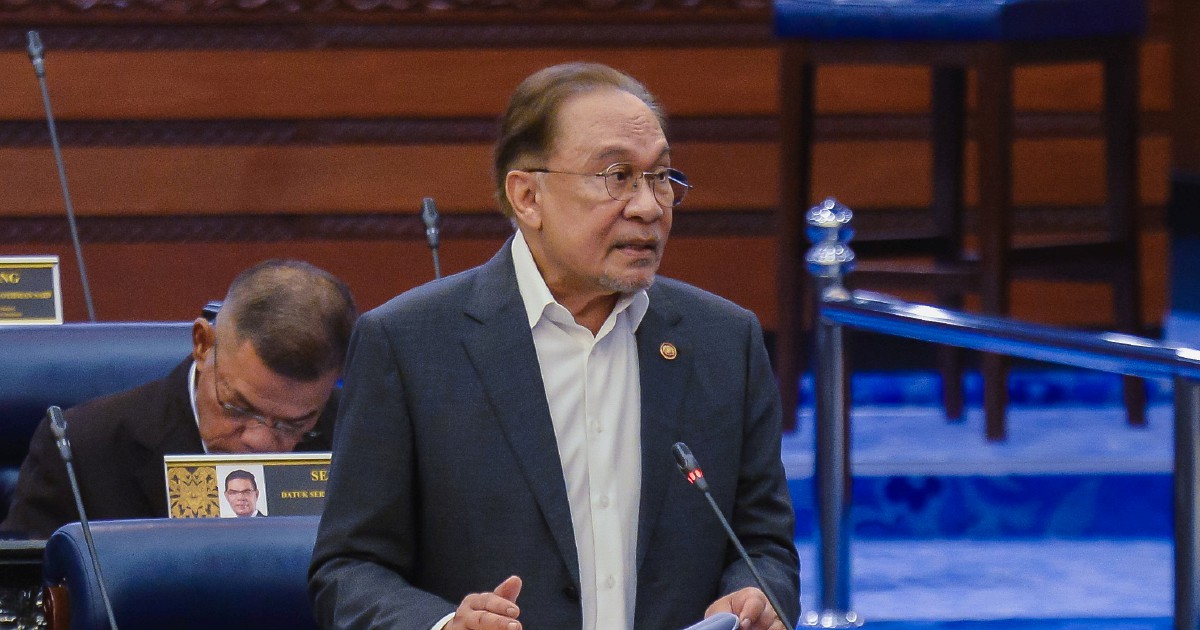
The federal government is engaged in substantive negotiations with Sarawak to enhance the state's financial allocation under the Malaysia Agreement 1963, Prime Minister Datuk Seri Anwar Ibrahim announced, signalling renewed momentum in addressing long-standing fiscal arrangements between Kuala Lumpur and the East Malaysian state.
The confirmation comes at a time when Malaysia's federal structure continues to grapple with questions of equitable resource distribution and state autonomy. Sarawak, which entered Malaysia in 1963 alongside Sabah under the constitutional agreement, has historically sought greater recognition of its constitutional rights and enhanced federal support. The special grant mechanism under MA63 serves as a critical financial lifeline for the state's development initiatives and public services, making any adjustment to its value a matter of significant political and economic consequence.
The timing of these discussions reflects a broader shift in how the federal government approaches intergovernmental relations with East Malaysia. Over the past decade, both Sarawak and Sabah have increasingly emphasised their constitutional entitlements and leveraged their political influence to secure better terms from Kuala Lumpur. The current negotiation underscores recognition at the highest levels of government that the existing arrangement may warrant recalibration to reflect contemporary economic realities and meet pressing developmental needs.
Understanding the MA63 framework requires examining its historical context. The agreement established foundational principles governing Sarawak's relationship with the federation, including financial provisions that have become central to debates about federalism and resource justice. The special grant has remained largely static in nominal terms for extended periods, effectively declining in real value as inflation erodes purchasing power. This structural limitation has motivated state leaders across administrations to advocate for periodic adjustments that would maintain the grant's substantive worth.
For Malaysian observers, particularly those in states with constitutionally protected positions, these negotiations carry broader implications. Any enhancement to Sarawak's MA63 arrangements could establish precedents affecting how other states view their own constitutional bargains with the centre. Sabah, which operates under similar constitutional protections, may view developments in Sarawak's negotiations as indicators of federal willingness to revisit previously settled financial matters. The outcome could reverberate through Malaysia's federal system in unpredictable ways.
The federal government's willingness to engage substantively reflects pragmatic political calculation. Both Sarawak and Sabah hold parliamentary seats essential to maintaining federal coalition stability, particularly in an era of fluid coalitional politics at the national level. Strengthening ties with these states through improved financial arrangements serves dual objectives: addressing legitimate grievances while consolidating political support in parliament. Prime Minister Anwar's emphasis on these talks demonstrates his administration's attention to managing the federation's constituent relationships.
Economic considerations also weigh heavily. Sarawak possesses substantial hydroelectric capacity, developing industries, and significant land area relative to its population. Strategic investment in the state's infrastructure and public services through enhanced federal allocations could unlock greater economic potential, benefiting the broader Malaysian economy. The federal government's engagement thus appears to reflect not merely political accommodation but also economic reasoning about optimal resource allocation across the federation.
The negotiation process itself remains opaque regarding specific figures, timelines, or proposed mechanisms. Whether discussions focus on a simple quantum increase, indexation formulas for future adjustments, or structural reconfiguration of how the grant is calculated remains unclear from public statements. These details will ultimately determine whether any eventual agreement constitutes genuine enhancement or merely symbolic adjustment with limited practical impact.
For Sarawak, these negotiations present opportunity to secure tangible gains that strengthen state finances and demonstrate the government's responsiveness to constituent needs. Enhanced federal support could facilitate ambitious developmental programmes in education, healthcare, and infrastructure that remain underfunded relative to Peninsular counterparts. However, the state leadership must also manage expectations; federal fiscal constraints limit the magnitude of increases realistically available.
The broader Malaysian context of fiscal federalism remains challenging. The federal government faces competing demands from multiple states, each with legitimate claims on national resources. Balancing these claims while maintaining macroeconomic stability requires careful negotiation and principled decision-making. The Sarawak discussions occur amid broader conversations about how federal revenue should be distributed and what obligations the centre owes constituent states.
Looking forward, the trajectory of these negotiations will provide insight into the federal government's approach to constitutional federalism and intergovernmental relations. Success in reaching agreement that satisfies both parties could establish a template for addressing similar concerns from other states. Conversely, protracted negotiations or unsatisfactory outcomes might intensify demands for broader constitutional reform affecting Malaysia's entire federal structure.
For regional observers, Malaysia's management of its federal relationships carries significance beyond domestic politics. Southeast Asia contains numerous multi-ethnic, multi-regional federations and quasi-federal systems grappling with similar tensions between central authority and constituent autonomy. How Malaysia navigates these fundamentally political questions offers lessons—positive or cautionary—for neighbouring countries facing comparable challenges.
The commitment to negotiate represents a positive signal that the federal government recognises Sarawak's legitimate interests and remains open to revisiting established arrangements when circumstances warrant. Whether substantive progress emerges will ultimately determine whether this engagement translates into meaningful improvement in the state's fiscal position or constitutes merely diplomatic theatre without consequential outcomes.

