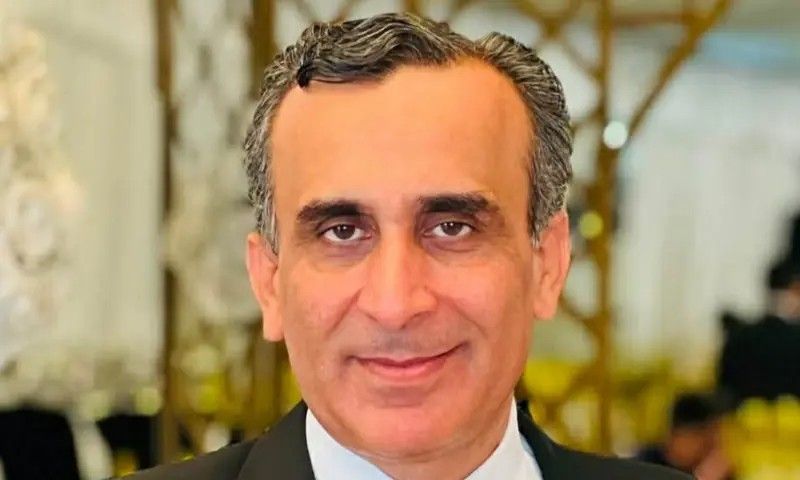
Punjab's provincial government has filled a key prosecutorial leadership position by appointing Irfan Sadiq Tarar as Prosecutor General on Saturday. The selection comes at a critical juncture for the province's criminal justice apparatus, which had operated without permanent leadership following the departure of his predecessor.
The vacancy arose when Farhad Ali Shah transitioned to the judiciary, accepting an additional judgeship at the Lahore High Court. This movement from prosecution to the bench reflects a common career trajectory within Pakistan's legal system, where experienced prosecutors frequently advance to judicial roles. Shah's elevation, while marking progress for his own career, left the Prosecutor General's office requiring immediate attention to maintain continuity in provincial prosecution oversight.
Tarar's appointment comes through formal notification issued under Section 6 of the Punjab Criminal Prosecution Service Act 2006, establishing his authority within the constitutional and statutory framework governing prosecutorial functions in the province. This three-year tenure represents a standard appointment period for senior prosecutorial positions in Punjab, providing sufficient time for strategic initiatives while maintaining regular performance review mechanisms.
Prior to this elevation, Tarar held significant positions within the legal profession's representative bodies. His service as vice chairman of the Punjab Bar Council and vice president of the Lahore Bar Association demonstrates established credibility among practising lawyers and familiarity with the concerns affecting the broader legal community. These roles position him with valuable insight into the relationships between prosecution, defence, and the judiciary—relationships that prove essential for effective case management and trial administration.
Tarar's affiliation with the Ahsan Bhoon-led Independent group within bar council politics reveals his position within Punjab's legal establishment networks. The Independent group has historically represented a particular constituency of lawyers and judicial philosophy, suggesting Tarar brings specific ideological commitments to prosecutorial practice. This background indicates he has previously engaged in broader conversations about legal reform, professional standards, and the direction of Punjab's justice system.
The Prosecutor General's office holds considerable significance within Punjab's criminal justice ecosystem. As the chief law officer responsible for prosecution across the province, the Prosecutor General oversees major criminal cases, supervises prosecution strategy, and represents the state's interests in significant legal proceedings. The office also plays a vital role in maintaining prosecutorial standards, training staff, and ensuring case quality across thousands of pending matters in provincial courts.
Punjab's prosecution service operates under considerable strain. The province grapples with significant case backlogs affecting everything from terrorism trials to common criminal matters. Prosecutorial capacity remains stretched thin across numerous districts, with resource constraints limiting the speed and quality of case preparation. The new Prosecutor General inherits these systemic challenges alongside leadership responsibilities.
Tarar's appointment occurs within a broader context of judicial and prosecutorial reform discussions across Pakistan. Questions surrounding investigation quality, forensic capabilities, witness protection, and case management have featured prominently in recent policy debates. His tenure will likely occur during continued discussions about modernising prosecutorial practices and leveraging technology for case tracking and evidence management.
The relationship between the Prosecutor General's office and the judiciary carries particular weight in Punjab. High court judges frequently interact with prosecution authorities through bench decisions, enforcement orders, and procedural rulings. Tarar's background within bar association leadership suggests familiarity with judicial expectations and courtroom sensitivities, potentially positioning him to navigate these relationships effectively.
For Malaysian observers and regional legal professionals, Tarar's appointment reflects common challenges across South Asian jurisdictions. Similar patterns of prosecutorial vacancy, career transitions to the bench, and the involvement of bar association figures in senior prosecutorial roles appear across the region. These structural similarities highlight shared institutional weaknesses and reform priorities affecting criminal justice delivery across Southeast and South Asia.
Tarar assumes office at a moment when public attention to prosecution effectiveness remains high. High-profile cases, accountability mechanisms, and political stability concerns have all intensified scrutiny of prosecutorial performance. His three-year mandate will necessarily involve navigating these pressures while attempting to build prosecutorial capacity and improve case outcomes.
The appointment also reflects continued confidence in bar association networks as sources of prosecutorial leadership. Rather than importing judges or retired officers into the Prosecutor General's position, Punjab has selected someone deeply embedded in lawyer representative structures. This approach suggests institutional preference for leadership with established legal credentials and community relationships over purely administrative backgrounds.
Looking forward, Tarar's tenure will likely focus on addressing systematic bottlenecks in Punjab's criminal justice system. Whether through improved case management protocols, prosecutorial training initiatives, or enhanced cooperation with investigative agencies, the new Prosecutor General faces significant expectations for performance improvement across the province's sprawling prosecution apparatus.

