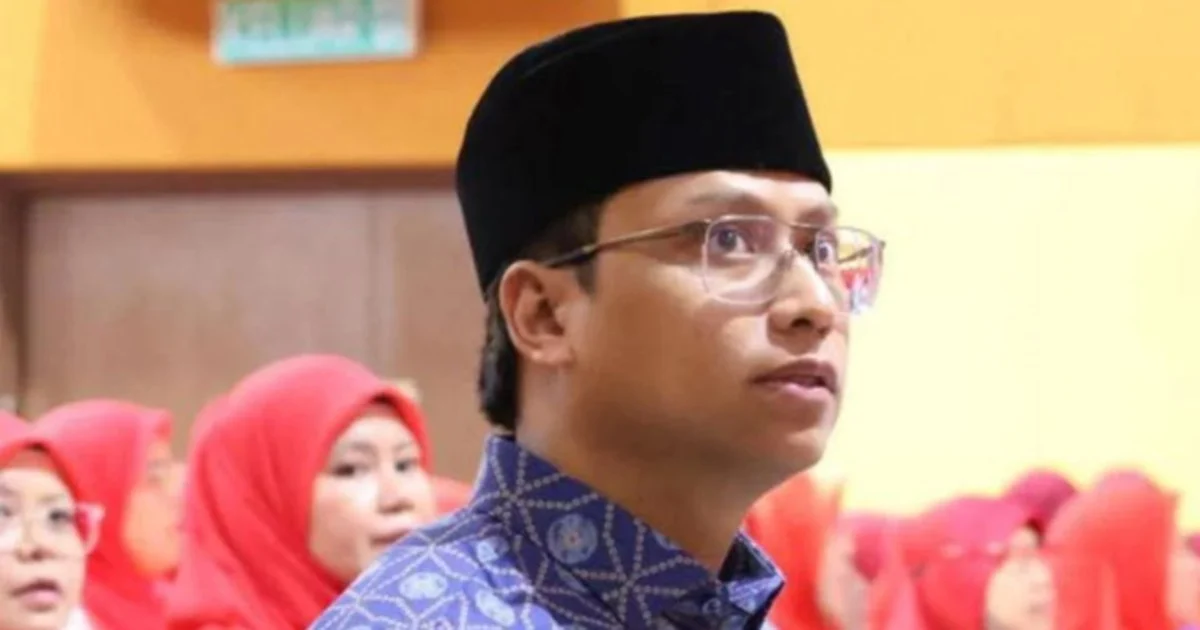
The son of former Umno Supreme Council member Datuk Dr Mohd Puad Zarkashi has come to his father's defence following controversy over the latter's recent comments regarding Umno's strategic direction, characterising the statements as motivated entirely by a desire to preserve the party's institutional future.
The younger Zarkashi's intervention into the public discourse surrounding his father's remarks underscores growing tensions within Umno's leadership ranks over questions about the party's trajectory and relevance in contemporary Malaysian politics. As one of the nation's oldest political movements, Umno has faced recurring internal debates about its identity, governance standards, and capacity to maintain its dominant position within the broader political ecosystem.
Defending his father's interventions, Puad Zarkashi's son argued that the former Supreme Council member had spoken out precisely because he remained deeply invested in Umno's survival and competitive standing. Rather than viewing the public criticism as disloyalty or destructive commentary, the son framed such remarks as expressions of principled concern from an elder statesman whose long service within the party's structures had granted him substantial insight into institutional dynamics. This framing reflects a narrative increasingly common among reform-minded members within traditional political movements across Southeast Asia—that critical commentary from within can constitute patriotism rather than betrayal.
The defence also introduces a temporal dimension to the controversy, invoking the concept that historical judgment will ultimately vindicate Umno members who have advocated for particular positions or policy directions. This perspective suggests that disputes currently generating headlines will eventually be viewed through a different interpretive lens once sufficient time has elapsed and outcomes have become clearer. Such framings frequently emerge in Malaysian political discourse when internal party divisions become publicly visible, with protagonists appealing to posterity as arbiter of current controversies.
Umno's position within Malaysian politics has undergone substantial transformation across recent decades, particularly following leadership transitions, electoral outcomes, and the party's shifting coalition arrangements. For observers of Malaysian political development, internal dialogue about the party's optimal path forward carries significance extending beyond factional positioning, potentially affecting governance approaches, policy priorities, and coalition dynamics that shape national political life. The willingness of prominent party members to engage in public critical reflection suggests both institutional confidence and underlying anxiety about the party's adaptive capacity.
The timing and nature of Datuk Dr Mohd Puad Zarkashi's remarks likely reflected specific concerns about contemporary policy decisions, organisational changes, or strategic choices that he believed required public attention. Without access to the precise content of his statements, the substance of the current controversy remains somewhat opaque to external observers, though the son's defensive intervention confirms that the remarks proved sufficiently noteworthy to generate significant internal reaction. This dynamic illustrates how even comments originating from senior figures can provoke substantial responses from party machinery or competing factions.
For Malaysian political watchers, such internal Umno discussions merit attention because the party's strategic orientation influences coalition arrangements, policy formulation, and electoral competition across the country. Changes in Umno's institutional priorities or leadership philosophy can ripple through the broader political ecosystem, affecting everything from governance in states where the party holds sway to approaches to federal-level policy questions. The party's decisions during this period may establish precedents affecting its position during subsequent electoral cycles and coalition negotiations.
The invocation of historical judgment as validation for current positions reflects a confidence that circumstances will eventually confirm the correctness of particular approaches. This argument implicitly acknowledges that immediate political consequences might not favour those advocating for particular positions, yet suggests that longer-term vindication will arrive. Such reasoning appears frequently in Malaysian political rhetoric when established figures articulate positions that generate controversy, particularly when those individuals possess substantial institutional history and claim to act from principled rather than self-interested motivations.
For Southeast Asian observers more broadly, Umno's internal dynamics offer insight into challenges facing traditional political parties attempting to maintain relevance while responding to evolving social, economic, and demographic circumstances. The tension between institutional preservation and institutional reform constitutes a recurrent theme across the region's political landscape, with established movements continually negotiating between continuity and adaptation. Umno's navigation of these questions may offer lessons or cautionary tales for comparable organisations throughout the region.
The public nature of the current controversy highlights how modern communications technology has transformed the dynamics of internal party debate. Remarks that might previously have remained confined to private chambers or closed meetings now generate immediate public commentary and counter-commentary, potentially escalating minor disagreements into substantial political controversies. This structural change in how party politics operate may itself influence members' calculation regarding when and how to express institutional concerns.

