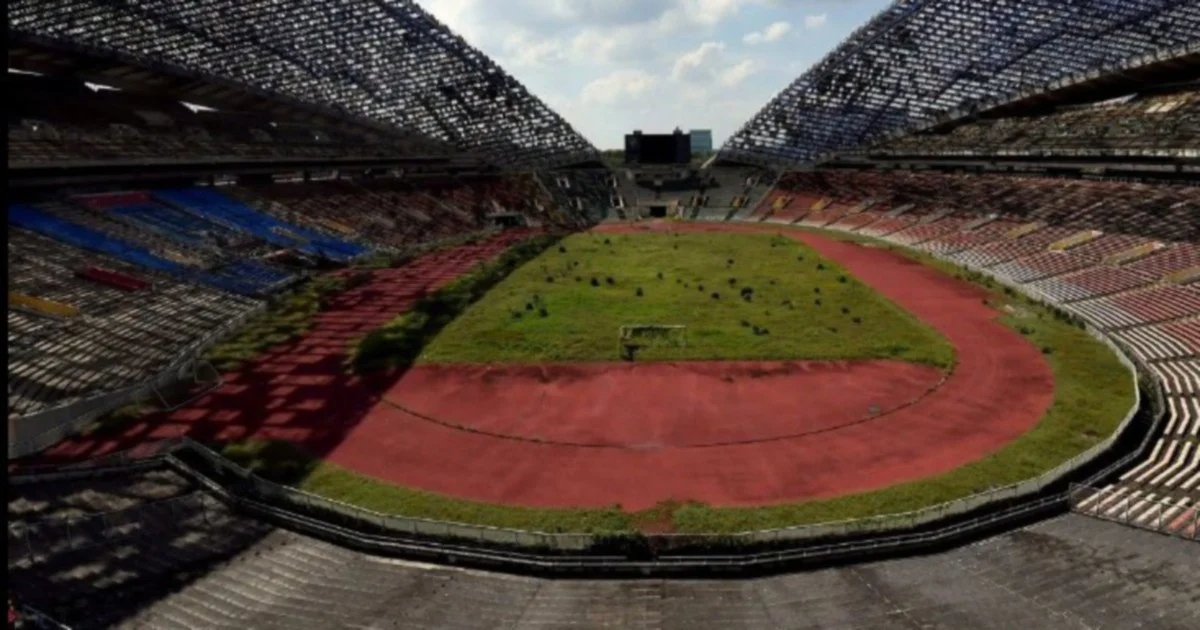
Malaysian Resources Corporation Bhd (MRCB) has successfully obtained a consent judgment from the Shah Alam High Court against activist Abdul Razak Ismail concerning online posts related to the demolition and redevelopment of Shah Alam Stadium. The property developer argued that the activist's publications had inflicted substantial financial harm on the company's business interests and reputation in the market.
The case highlights the ongoing tension between corporate entities and digital activists in Malaysia, where disputes over development projects increasingly play out across social media platforms and online forums. Shah Alam Stadium, a historic venue in Selangor's capital, has become the focal point of broader debates about urban redevelopment, heritage preservation, and community consultation in major infrastructure changes.
MRCB's decision to pursue legal action through consent judgment represents a strategic approach to managing reputational damage. Rather than undertaking a full trial with uncertain outcomes, the company sought an agreement with the activist that would restrict further public commentary about the stadium project. This procedural choice reflects how Malaysian courts have become a venue for resolving disputes that traditionally might have been settled through negotiation or public discourse alone.
The consent order mechanism allows both parties to reach mutually acceptable terms without admitting liability or proceeding to full litigation. For MRCB, securing such an order provides legal certainty and prevents continued online advocacy that the company claims damages its commercial prospects. The judgment essentially creates a binding agreement that constrains the activist's ability to publish further material on the subject, setting a precedent for how corporate interests can use litigation to manage activist speech.
Activist Abdul Razak Ismail has been a prominent voice questioning the stadium demolition and redevelopment process. His online publications reportedly raised concerns about the decision-making process, questioned the economic justification for demolishing the existing facility, and highlighted community sentiment opposing the project. Such advocacy typically resonates with urban residents concerned about rapid development and the loss of established community landmarks.
The stadium redevelopment exemplifies the broader pattern of urban transformation across Malaysian cities, where older sports and recreational facilities are frequently demolished to make way for mixed-use commercial developments or modern infrastructure. While these projects aim to generate economic value and modernize facilities, they often encounter resistance from heritage advocates and community groups who view demolition as erasing local history and character.
From a business perspective, MRCB's pursuit of the consent order underscores how companies view online activism as a significant threat to project viability and shareholder value. Activist campaigns can influence public opinion, attract regulatory scrutiny, and complicate approvals for development projects. By obtaining a court order restricting publication, MRCB has sought to remove one source of organized resistance to its plans.
The case raises important questions about the balance between corporate rights to reputation and the public's interest in accessing information and commentary about major development projects. In an era where social media enables rapid mobilization around civic issues, developers increasingly turn to courts to silence critics, sometimes claiming defamation or economic harm as legal grounds. Malaysian courts have shown willingness to entertain such claims, though judicial approaches vary widely.
For Malaysian and Southeast Asian readers, this case reflects a broader pattern in the region where property development disputes intersect with free expression concerns. As urbanization accelerates across the region, conflicts between developer interests and community concerns will likely intensify. The legal mechanisms available to resolve these disputes—including consent orders and defamation suits—shape the terrain on which these debates occur.
The consent judgment against Abdul Razak Ismail may succeed in temporarily reducing online criticism of the Shah Alam Stadium project, but it does not address underlying community concerns about the redevelopment. The activist's silencing through legal mechanisms may actually amplify questions about transparency and democratic participation in infrastructure decisions, potentially drawing greater attention to the issues he raised than his original publications achieved.
Moving forward, this case serves as a cautionary tale for both developers and activists. For companies, while litigation can suppress immediate criticism, it risks generating sympathetic coverage for activists portrayed as victims of corporate intimidation. For civil society actors, it demonstrates the legal risks of sustained public criticism of major projects, potentially chilling legitimate advocacy and shifting dissent from public forums to private conversations where it becomes less visible but not necessarily less influential.
The intersection of corporate development, online activism, and litigation in Malaysia increasingly shapes how major projects proceed. As the country continues rapid urbanization, finding mechanisms that allow genuine community consultation while protecting legitimate business interests will become increasingly important for social cohesion and democratic governance.

