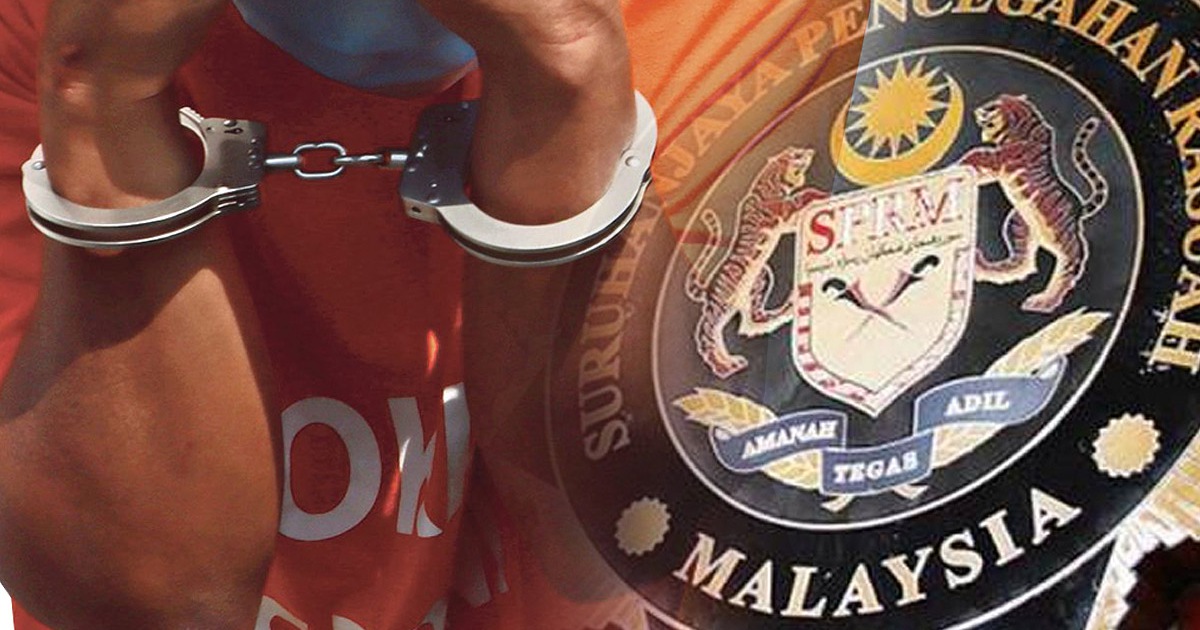
The Malaysian Anti-Corruption Commission has released a project manager on bail following his remand in connection with an alleged RM38,000 bribery matter currently under investigation in Kota Baru. The decision to grant bail marks a significant development in what authorities have been examining as a potential corruption-related offence, though full details surrounding the nature of the alleged improper transaction remain limited at this stage.
The suspect's conditional release underscores the MACC's evolving approach to managing investigations into white-collar misconduct, particularly when preliminary interviews have yielded sufficient information to permit continuing inquiries without custodial detention. This practice reflects standard investigative protocols, where arresting officers determine whether further holding is necessary or whether released-on-bail status serves investigative purposes adequately.
Allegations of bribery touching sums in the tens of thousands of ringgit frequently intersect with procurement irregularities, contract awarding processes, or approval frameworks within both public and private sector environments. The Kota Baru location suggests a connection to Kelantan-based operations, though the exact nature of the project or organisation implicated remains unclear from available information.
For Malaysian readers, such cases underline the MACC's continuing remit to pursue suspected corruption across multiple sectors and professional ranks. The commission, established to investigate and prosecute graft-related offences, regularly processes allegations involving relatively modest sums—by large-scale corruption standards—yet these instances collectively represent systemic integrity challenges requiring sustained institutional attention.
Bail conditions typically impose restrictions on movement, regular reporting requirements, or prohibitions on contact with identified witnesses or co-suspects, thereby limiting investigative interference while avoiding unnecessary incarceration during preliminary phases. The graduated approach balances public interest in pursuing suspected wrongdoing against individual rights pending adjudication through formal legal channels.
Investigations into alleged bribery conduct often prove protracted, particularly when evidence gathering encompasses documentary review, witness testimony coordination, or financial transaction analysis. The RM38,000 threshold, though considerably lower than headline-grabbing high-corruption cases, may nevertheless implicate multiple parties or deliberate concealment mechanisms requiring methodical examination.
Within Southeast Asia's broader context, Malaysia maintains relatively robust anti-corruption institutions compared to certain regional counterparts, though observers regularly identify enforcement inconsistencies and institutional independence questions. The MACC's public operations, including remand and bail decisions, form part of broader regional scrutiny regarding corruption-fighting effectiveness and credibility.
The project management sector has occasionally featured in corruption narratives, particularly within construction, infrastructure development, and engineering procurement environments where discretionary decision-making intersects with financial incentives. Such allegations, regardless of scale, carry professional reputational consequences and potential licensing implications for accused individuals.
For businesses operating in Malaysia, cases of this nature reinforce established compliance requirements and internal control frameworks designed to prevent employee misconduct or vendor-related impropriety. Organisations increasingly implement reporting mechanisms and procedural safeguards reflecting both legal obligations and risk-management imperatives.
The bail release mechanism functions as a crucial procedural checkpoint within Malaysia's criminal justice architecture, distinguishing between custodial remand justified by investigative necessity and supervised release arrangements adequate for ongoing inquiries. Judicial or quasi-judicial officers make these determinations following threshold assessments of evidence strength, flight risk, and witness-intimidation likelihood.
As investigations continue, outcomes will likely influence broader institutional perceptions regarding corruption enforcement consistency and prosecutorial vigour, particularly given elevated public consciousness surrounding governance standards and financial stewardship across both sectors.
The case exemplifies routine anti-corruption work often overshadowed by more sensational matters, yet collectively representing substantial portions of investigative agency workload and national integrity frameworks. Progression through formal charging and prosecution stages will determine culpability and consequences.

