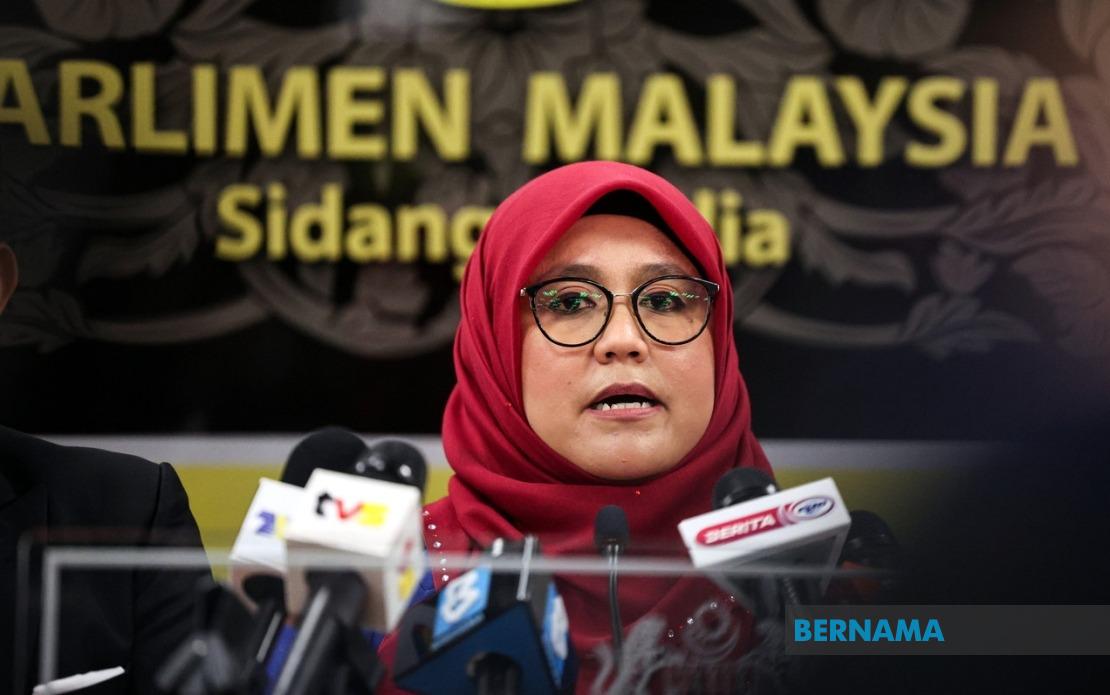
Malaysia's healthcare cost crisis has a clear villain: private hospitals are charging escalating sums for items and services beyond doctor fees, with these uncontrolled charges now pinpointed as the principal driver of health insurance premium increases. The Public Accounts Committee (PAC), led by chairman Datuk Mas Ermieyati Samsudin, has exposed a regulatory gap that allows hospitals to impose whatever prices they wish on medical supplies, equipment, medicines, and diagnostic services—expenses that have soared while doctors' professional fees have remained regulated since 2013. The findings, presented in Parliament on June 25 through Kapar MP Dr Halimah Ali, reveal a healthcare financing system increasingly tilted in hospitals' favour and increasingly out of reach for ordinary Malaysians.
At the heart of the problem lies an asymmetrical regulatory framework. Doctors' fees have operated under statutory oversight for more than a decade, yet non-professional charges—the fastest-growing component of hospital bills—face virtually no government control. This creates perverse incentives. Hospitals justify steep markups on medicines by arguing they subsidise operational costs such as nursing, utilities, and technology investments that remain unbilled separately. The committee discovered instances where generic pharmaceuticals cost more than their branded equivalents, and documented cases where hospitals charged patients using guarantee letters substantially higher rates than those paying cash or through insurance claim-and-reimburse arrangements. Such price discrimination directly inflames premium costs, as insurers absorb these inflated bills and pass the burden to policyholders.
The absence of standardised billing across private hospitals has morphed into a feature, not a bug. Competing institutions use wildly different accounting structures, making cost comparison nearly impossible for patients, regulators, and insurers alike. This opacity enables unbundling—the practice of separately charging for items that logically belong within standard room or service packages. Clinical waste disposal, pillowcases, and alcohol swabs, ordinarily considered routine supplies, now appear as individual line items. Such fragmentation of billing obscures true service costs and allows hospitals to extract maximum revenue from each admission. For health insurers, this non-transparent landscape makes it nearly impossible to negotiate sustainable rates or forecast premium adjustments.
Market structure in Malaysia's pharmaceutical sector compounds the problem. The PAC found over 1,500 medicines registered to a single manufacturer nationally, creating de facto monopolies with no competitive pressure to moderate pricing. Without alternative suppliers, hospitals and pharmacies can demand high markups without fear of losing customers to cheaper competitors. Direct procurement from manufacturers—particularly domestic producers—could reduce these costs, yet most supply still flows through middlemen and distributors who capture their own margins. The cumulative effect is that Malaysians pay some of the region's steepest out-of-pocket costs for medications and medical technology, pushing them toward public hospitals or medical tourism abroad.
Operating expenses at private hospitals have genuinely risen, though the committee's investigation suggests hospitals use this reality to justify charges that exceed actual cost increases. Labour expenses, utility bills, technology investments, and defensive medicine practices (ordering unnecessary tests to reduce litigation risk) all add to the bottom line. However, rather than transparently itemising these costs and seeking regulatory permission for appropriate fee adjustments, hospitals bundle them into pharmaceutical markups and diagnostic charges. Litigation and defensive medicine costs, in particular, reflect structural problems within Malaysia's healthcare liability system—problems that properly addressed might reduce unnecessary expenditure across the system. Yet until courts and insurers incentivise efficient practice, hospitals will continue passing these costs to patients.
The financial pressure on health insurance premiums translates into real hardship for Malaysian families. As premiums climb, fewer workers can afford adequate coverage, leading some to depend on public hospitals already strained by rising demand. Others accept inadequate coverage or no coverage at all, gambling with their financial security. Self-employed Malaysians and small business owners face the steepest burdens, as they cannot spread insurance costs across large employee pools. The regressive effect of high premiums means lower-income Malaysians increasingly lose access to private healthcare, widening the two-tier system and concentrating public sector demand among those least able to pay. This dynamic threatens both the sustainability of public healthcare and the social cohesion that universal access represents.
The PAC's 17 recommendations target root causes rather than symptoms. Expediting implementation of the Diagnosis-Related Group (DRG) payment system would introduce standardised, transparent billing tied to actual service complexity rather than hospital whim. DRG systems, successfully deployed across developed nations, establish predetermined reimbursement rates for specific diagnoses and procedures, eliminating billing opacity and making cost comparison possible. Amending the Private Healthcare Facilities and Services Act 1998 would empower the Ministry of Health (MOH) to regulate non-professional charges just as it regulates doctor fees. Simultaneously, the MOH and Ministry of Domestic Trade and Cost of Living (KPDN) should establish joint mechanisms to regulate pharmaceutical and medical equipment pricing, exploring direct government procurement to bypass inflated supply-chain markups. These structural reforms address the real problem: unaccountable pricing power among private hospitals.
Parliamentary debate on the report demonstrated rare cross-partisan concern about healthcare affordability. Members from both government and opposition benches called for tighter regulation, improved transparency, and faster DRG rollout. They urged strengthened cooperation among the MOH, Bank Negara Malaysia, and relevant agencies to confront medical cost inflation collaboratively rather than through siloed policymaking. Some MPs advocated bold measures: higher taxes on private hospitals profiting from medical tourism, a temporary freeze on fee increases at university hospitals pending system expansion, and substantially increased public sector investment to reduce reliance on private care. These demands reflect constituent frustration with a healthcare system increasingly accessible only to the wealthy, pushing middle-class Malaysians toward medical tourism in Thailand or Singapore.
The healthcare financing challenge facing Malaysia mirrors pressures across Southeast Asia and beyond. Rising incomes and ageing populations increase demand for medical services precisely when technology and labour costs escalate. However, Malaysia's regulatory gap—permitting hospitals to charge uncontrolled sums for non-professional items while constraining doctor fees—is a policy choice, not an immutable reality. Other nations have managed cost inflation through transparency, standardised billing, competitive procurement, and negotiated fee structures. The PAC report suggests Malaysia's path forward: acknowledge that regulation is necessary for market sustainability, implement transparent billing standards, and create conditions where competition and oversight moderate prices. Without these changes, health insurance premiums will continue rising, pushing affordable healthcare beyond the reach of millions of working Malaysians and threatening the stability of both private and public systems.

