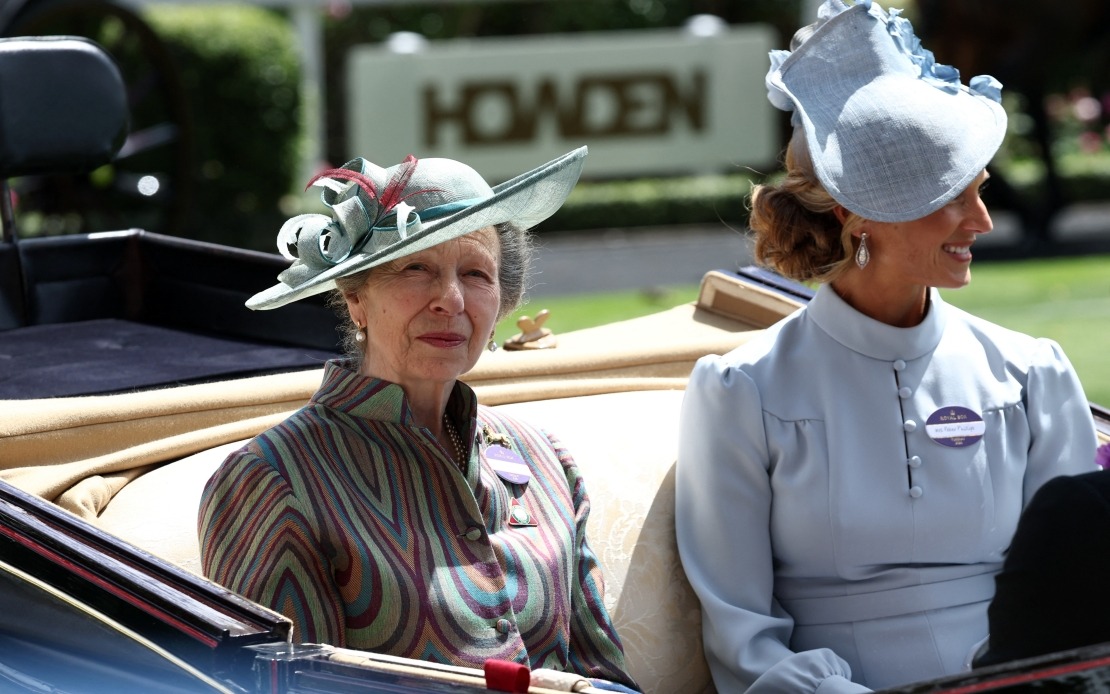
Princess Anne, the Princess Royal and younger sister of King Charles III, is set to arrive in South Korea this week for a three-day diplomatic visit centred on honouring the sacrifices of British and Commonwealth forces during the Korean War. Accompanied by her husband Vice Admiral Sir Tim Laurence, the princess will participate in official commemorations marking the 75th anniversary of the Battles of Imjin River and Gapyeong, two pivotal military engagements that defined Britain's role in the 1950-53 conflict. The timing of the visit underscores the continued diplomatic importance both nations place on remembering shared wartime experiences and the enduring bonds forged through military cooperation.
The Battles of Imjin River and Gapyeong represent crucial moments in the Korean War when British forces faced intense combat against Chinese and North Korean troops. The Imjin River battle, in particular, saw the British 29th Brigade mount a fierce defence that became iconic in British military history, despite being heavily outnumbered and eventually forced to withdraw. Three-quarters of a century later, these engagements remain central to how Britain and South Korea frame their bilateral relationship, particularly in military and security spheres. The anniversary provides both nations with an opportunity to reflect on shared sacrifice and to reaffirm defence partnerships that remain strategically relevant in the contemporary Indo-Pacific context.
During her time in South Korea, Princess Anne will visit the United Nations Memorial Cemetery in Busan, where the remains of United Nations service members, including British and Commonwealth soldiers, are interred. The commemorative ceremony scheduled there will serve as a solemn occasion to honour those who gave their lives during the conflict. This pilgrimage to a war cemetery represents a deeply meaningful tradition within the British royal family, reinforcing institutional connections to historical memory and honouring commitments made by previous generations. For South Korea, hosting such ceremonies with senior British representatives demonstrates the nation's gratitude towards international allies who intervened during its hour of existential crisis in the 1950s.
Beyond the ceremonial aspects of the trip, Princess Anne will also engage in substantive discussions about contemporary bilateral cooperation. A scheduled courtesy visit with President Lee Jae Myung will focus on mechanisms for deepening ties between Britain and South Korea across multiple sectors. Such high-level diplomatic engagement, whilst rooted in historical commemoration, serves practical purposes in strengthening government-to-government relationships and signalling mutual commitment to shared interests in the region. These conversations may touch upon security cooperation, trade relationships, and broader coordination within international institutions.
The visit to Ulsan, South Korea's major southeastern port city, highlights the economic dimensions of the bilateral relationship that often receive less attention than the military and diplomatic aspects. The Ulsan region is a global centre for shipbuilding and maritime industries, sectors where both British and South Korean companies have significant interests and expertise. Princess Anne's inspection of cooperation sites in defence and maritime industries signals that the relationship extends far beyond historical commemoration into contemporary commercial partnerships. For Malaysian readers, this illustrates how Southeast Asia's major trading partners continue to deepen connections through multiple channels, from defence cooperation to industrial collaboration, creating complex interdependencies that shape regional dynamics.
Princess Anne's previous visit to South Korea during the 2018 PyeongChang Winter Olympics indicates this is not her first engagement with the nation, though the current visit carries distinctly different weight given its focus on historical commemoration rather than sporting spectacle. The progression from attending a sporting event to leading wartime remembrance ceremonies reflects how royal diplomacy adapts to different contexts while maintaining continuity in relationship-building. Each visit contributes to the accumulated diplomatic capital that sustains Britain-South Korea relations across multiple administrations and changing international circumstances.
For broader regional context, such visits demonstrate how historical legacies of the Korean War continue to shape contemporary international relations in East Asia. Britain's participation in the United Nations-authorised intervention in Korea established patterns of alignment that persist today, with Britain maintaining security interests in the Indo-Pacific region. Princess Anne's visit signals that Britain views its historical commitments to South Korea not as historical relics but as foundations for ongoing strategic partnership. This perspective becomes increasingly significant as the region faces new security challenges and as established powers reassess their commitments to long-standing allies.
The visit also reflects broader trends in royal diplomacy, where senior members of the British royal family undertake missions that combine ceremonial duties with substantive diplomatic engagement. Princess Anne has developed a reputation for undertaking demanding overseas visits to sometimes lesser-known theatres of British foreign policy, lending her substantial standing to issues the monarchy wishes to highlight. Her presence at Korean War commemorations elevates the significance of the occasion and demonstrates sustained royal attention to historical relationships that might otherwise fade from public consciousness.
For South Korea, hosting Princess Anne provides an opportunity to reinforce its identity as a nation valued by major Western powers and as a partner worthy of high-level diplomatic attention. The visit affirms South Korean efforts to position itself as a crucial actor in maintaining international order and security in the Asia-Pacific region. Coming at a time when South Korea actively pursues expanded roles in global affairs, from United Nations peacekeeping to technological innovation, royal visits from traditional allies reinforce its standing within established Western-aligned structures.
The commemoration of shared military sacrifice carries particular resonance at a moment when security relationships in East Asia face unprecedented scrutiny and when established alliances require periodic renewal and validation. Princess Anne's visit serves as a powerful symbolic affirmation that the bonds forged through the Korean War remain relevant and valued by both nations, even as the world has transformed dramatically since the 1950s. Such diplomatic gestures, rooted in historical memory, help maintain the relational foundations upon which contemporary security cooperation rests, demonstrating to both domestic audiences and international observers the enduring commitment of Britain and South Korea to their partnership.

