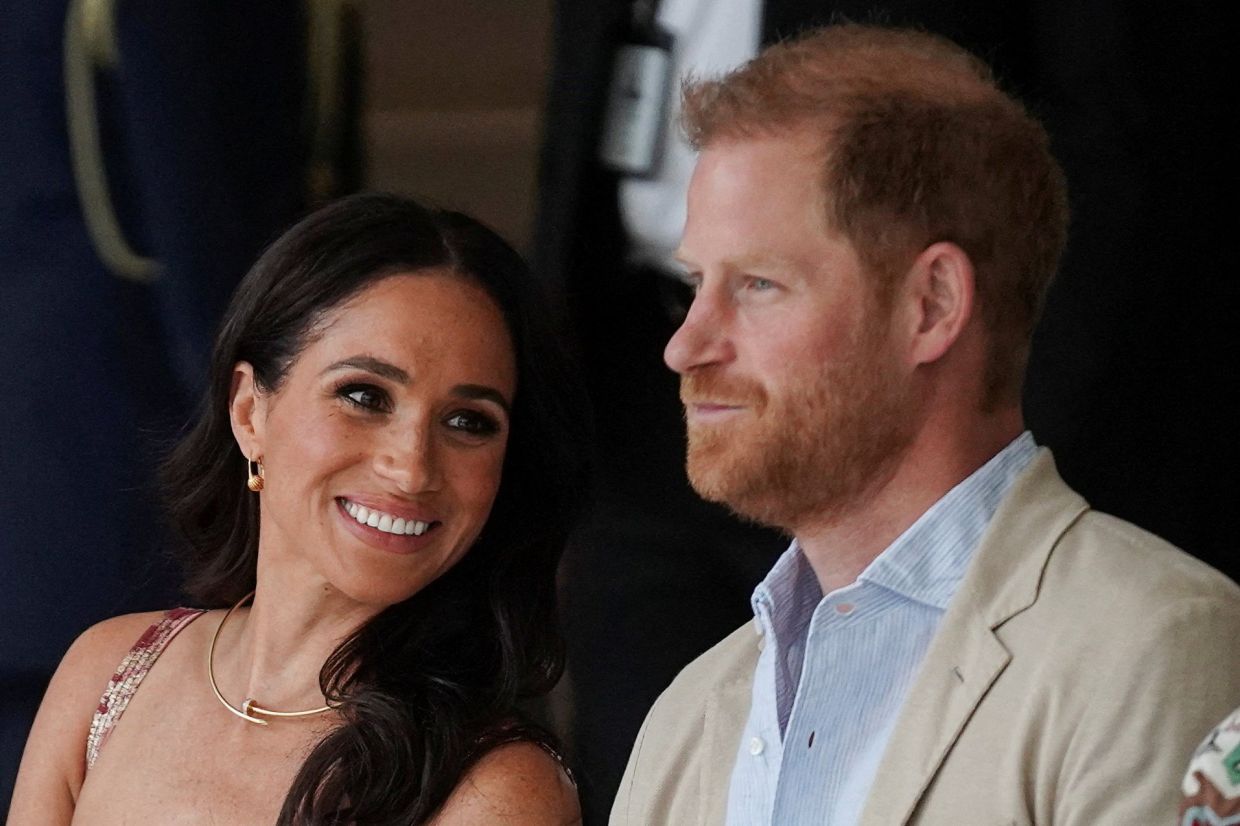
Prince Harry and Meghan have announced plans to relocate to the United Kingdom with their two children, marking a significant shift in their lives after more than six years of residence in California. The decision, confirmed by British media reports, indicates a thawing of relations between the couple and the broader royal family, though insiders emphasize that neither Harry nor Meghan intends to resume their former roles as working members of the monarchy. Their children, seven-year-old Prince Archie and five-year-old Princess Lilibet, have already secured places at British educational institutions and are expected to begin their school terms in September.
The California-based couple's departure from the United Kingdom in 2018 followed their withdrawal from official royal responsibilities. That decision enabled them to pursue independent commercial ventures, securing major media production and streaming deals with Netflix and Spotify that have substantially increased their financial independence. For six years, their presence in California has been defined by luxury living in the Montecito enclave, away from the scrutiny that accompanies active membership in the royal institution. However, this latest development suggests that the financial security and autonomy they have achieved may now facilitate a partial return to their homeland without the constraints of formal royal obligations.
King Charles III was informed of their intentions on Sunday, notably before their recent visit to the United Kingdom last month. This timing indicates a deliberate communication strategy by Harry and Meghan, ensuring that the monarch received advance notice through proper channels. The significance of informing the king directly reflects the importance both parties appear to place on rebuilding their relationship. Charles, currently undergoing treatment for an undisclosed form of cancer, represents a primary motivator for Harry's desire to strengthen family ties. The prince has been explicit about his concern for his father's health and his recognition that time with aging family members is finite and irreplaceable.
During their recent visit to British soil, Harry and Meghan participated in various charitable engagements while spending time with King Charles at his Highgrove estate in western England. This marked the first occasion since 2022 that their children had spent time with their grandfather, having last seen him during Queen Elizabeth II's platinum jubilee celebrations. That interaction, though brief, represented a meaningful gesture toward reconciliation and suggested mutual willingness to move past years of public discord and reported estrangement. The presence of the grandchildren at Highgrove carried symbolic weight, demonstrating that despite the fractured relationships and legal disputes, family bonds retained importance for both generations.
However, the path to full family reconciliation remains complicated by ongoing grievances and legal entanglements. Harry's relationship with his older brother, Prince William, who stands as heir to the throne, shows no signs of improvement. Former BBC royal correspondent Peter Hunt commented that the announcement would likely provoke strong reactions from William, suggesting that the heir apparent views the move with displeasure rather than welcome. Hunt noted that while Harry's renewed proximity to his father could deepen their repair efforts, William's position as the future monarch creates additional complications. The presence of Harry and his family in Britain could make it more difficult for William to avoid engagement with his brother, potentially forcing conversations and interactions that neither party may currently desire.
Underpinning the family estrangement are multiple legal disputes that have compounded personal grievances. Harry has conducted an extensive battle with British tabloid publishers, alleging systematic phone hacking and privacy violations extending back to his younger years. These lawsuits have largely proceeded unsuccessfully, with Harry facing significant financial consequences. A recent court decision held him liable for millions of pounds in legal fees owed to Associated Newspapers, with documented costs amounting to £34.5 million. Beyond media battles, Harry has also pursued a protracted dispute with the British government regarding police protection for himself and his family during UK visits. He argues that the royal status of his family warrants armed security provision regardless of their working status, yet this argument has been repeatedly rejected in court proceedings.
Despite these accumulated legal setbacks, Harry's public statements suggest a calculated reassessment of priorities. In a BBC interview following his court loss regarding security arrangements, he articulated a change in perspective, telling journalists that he saw little value in perpetuating family conflict and expressing his deep desire for reconciliation. His comments revealed awareness of his father's mortality and health challenges, framing the reconciliation effort not as capitulation but as a realistic acknowledgment of life's brevity and the importance of family connections. This philosophical shift appears to have influenced both his and Meghan's decision to return to British soil and establish roots through their children's education.
For the children themselves, the move carries implications that extend beyond simple geographical relocation. Growing up primarily in California, Prince Archie and Princess Lilibet have been somewhat removed from the institutional structures and expectations that traditionally shape young royals. British education will reorient them toward their heritage and provide access to peer networks and social connections linked to the British establishment. Enrollment in British schools also signals a commitment by Harry and Meghan to maintaining their children's British identity and connections, even as they preserve the independence and autonomy that their parents fought to establish.
The announcement also raises questions about the broader trajectory of the modern monarchy and how it accommodates members who wish to maintain distance from institutional demands while remaining connected to the institution itself. Harry and Meghan have effectively pioneered a model of partial disengagement, operating outside the formal structure while maintaining technical membership within the extended royal family. Their return to the UK without resuming official duties extends this model further, suggesting that the monarchy may be evolving to permit greater flexibility regarding the nature and extent of participation by its members.
Buckingham Palace has maintained its established policy of declining to comment on matters relating to non-working royals, and representatives for Harry and Meghan have similarly declined extensive public comment. This strategic silence reflects the delicate nature of the situation and the awareness on all sides that public statements could either facilitate or obstruct ongoing reconciliation efforts. The lack of official confirmation or detailed explanation allows flexibility as plans potentially develop or circumstances change.
From a Southeast Asian perspective, this development offers insight into how even the world's most prominent monarchical institution navigates family conflict and generational change. The story of Harry and Meghan resonates across the region where respect for royal institutions runs deep, yet contemporary expectations regarding individual autonomy and personal choice increasingly challenge traditional hierarchies. The couple's attempt to balance family loyalty with personal independence reflects tensions that extend well beyond the British royal family, speaking to broader questions about how modern individuals negotiate obligations to family institutions while pursuing self-determination.

