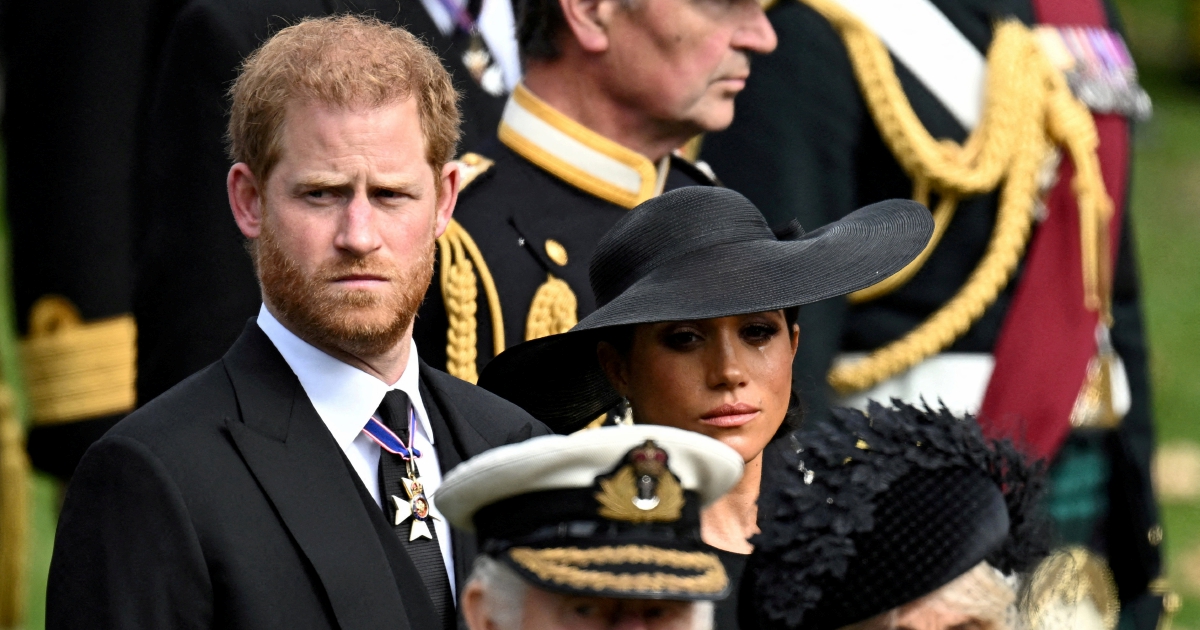
Prince Harry, musician Elton John and several other high-profile figures now face substantial financial penalties after a British court ruled against their privacy claims, ordering them to cover significant legal costs incurred by the Daily Mail's publisher. The decision represents a setback for the claimants, who had pursued legal action against the tabloid over privacy concerns but ultimately failed to achieve their objectives. A judge determined that the manner in which the lawsuit was conducted fell short of reasonable standards, leading to the cost-shifting order.
The ruling carries considerable implications for celebrity litigation strategy in the United Kingdom, where media outlets and their publishers have demonstrated a willingness to vigorously defend defamation and privacy claims. For Prince Harry in particular, this verdict adds to a growing pattern of legal setbacks related to his campaign against British tabloid journalism practices. The Duke of Sussex has been engaged in multiple legal battles with British newspapers over the past several years, positioning himself as a defender of personal privacy rights and advocating for stricter media accountability.
Elton John's involvement in the case underscores how privacy concerns extend beyond younger members of the royal family to encompass established entertainment figures whose personal lives have long attracted intense media scrutiny. The musician has previously spoken about intrusive coverage affecting his wellbeing and that of his family. His participation alongside Prince Harry suggests a broader coalition of public figures frustrated by what they perceive as excessive tabloid intrusion, yet the court's decision indicates that judges remain cautious about intervening in media-public figure disputes.
The financial consequences of the ruling will burden not only the named claimants but potentially their legal teams and supporters who backed the litigation. The Daily Mail's publisher, Associated Newspapers Limited, will now receive compensation for mounting its defence against what the court evidently considered a poorly constructed or pursued case. This outcome may deter other celebrities from initiating similar privacy actions without first securing significantly stronger legal foundations, as the risk-reward calculation becomes less favourable.
From a broader perspective, this judgment reflects the robust protections that British courts extend to media defendants, particularly when claimants cannot demonstrate proportionality in their legal approach. The judge's criticism of how the lawsuit was conducted suggests that the claimants' legal strategy, rather than the underlying privacy concerns themselves, proved problematic. This distinction matters greatly for future litigation, as it implies that stronger, more carefully prepared cases might succeed where this one faltered.
The timing of this ruling occurs amid ongoing debate about media regulation in Britain and the balance between press freedom and personal privacy. The Leveson Inquiry into phone-hacking scandals at News International established precedent for examining tabloid practices, yet courts remain reluctant to regulate editorial decisions through litigation alone. For Malaysian readers following international legal developments, this case illustrates how different jurisdictions weigh competing interests between media freedom and privacy protection, considerations equally relevant in Southeast Asian media environments.
Prince Harry's multiple legal engagements with British media outlets have raised his public profile as a privacy advocate, though this verdict may complicate his broader advocacy narrative. He has pursued cases against several tabloids through different legal theories, with mixed results. The costs associated with unsuccessful claims accumulate regardless of moral conviction behind the litigation, creating practical barriers to continued legal action. This financial reality may force strategic recalibration in how celebrity figures approach media disputes.
The judgment also highlights the importance of legal cost allocation in defamation and privacy law. In the Anglo-Saxon legal system, unsuccessful parties typically bear the other side's legal expenses, creating powerful incentives for plaintiffs to assess case viability carefully before proceeding. Unlike contingency-fee systems in the United States, this approach means that even well-intentioned litigation carries substantial financial risk for claimants who cannot guarantee success.
For the broader entertainment and sports industry in Britain and beyond, this ruling sends a cautionary signal about the realistic prospects of privacy litigation against major media corporations. Established publishers maintain extensive legal resources and experience defending such cases, enabling them to mount sophisticated defences that can overwhelm plaintiffs lacking similarly robust preparation. The cost implications therefore disproportionately affect individual celebrities compared to institutional defendants with dedicated legal departments.
Looking forward, this case may encourage alternative approaches to media accountability, including regulatory bodies, industry self-regulation mechanisms, and legislative reform rather than individual litigation. Several campaigners have argued that relying on court battles places excessive burden on individual victims while allowing systemic media practices to persist. The accumulated legal costs from failed or partially successful cases suggest that structural solutions may prove more efficient than case-by-case litigation.
The ruling demonstrates that celebrity status and public sympathy do not guarantee legal victory in privacy disputes. Courts examine the technical merits of claims and the reasonableness of procedures employed, applying neutral legal principles regardless of the parties' public prominence. This adherence to formal legal standards, while potentially frustrating for privacy advocates, maintains the integrity of judicial processes and prevents outcomes based on popularity rather than substantive law.
For those following media law developments internationally, this case exemplifies ongoing tension between competing rights and the practical challenges involved in achieving systemic change through individual legal action. Whether British media regulation ultimately shifts toward stricter privacy protections or remains grounded in current approaches will likely depend less on isolated lawsuits and more on coordinated legislative and industry-wide reform efforts.

