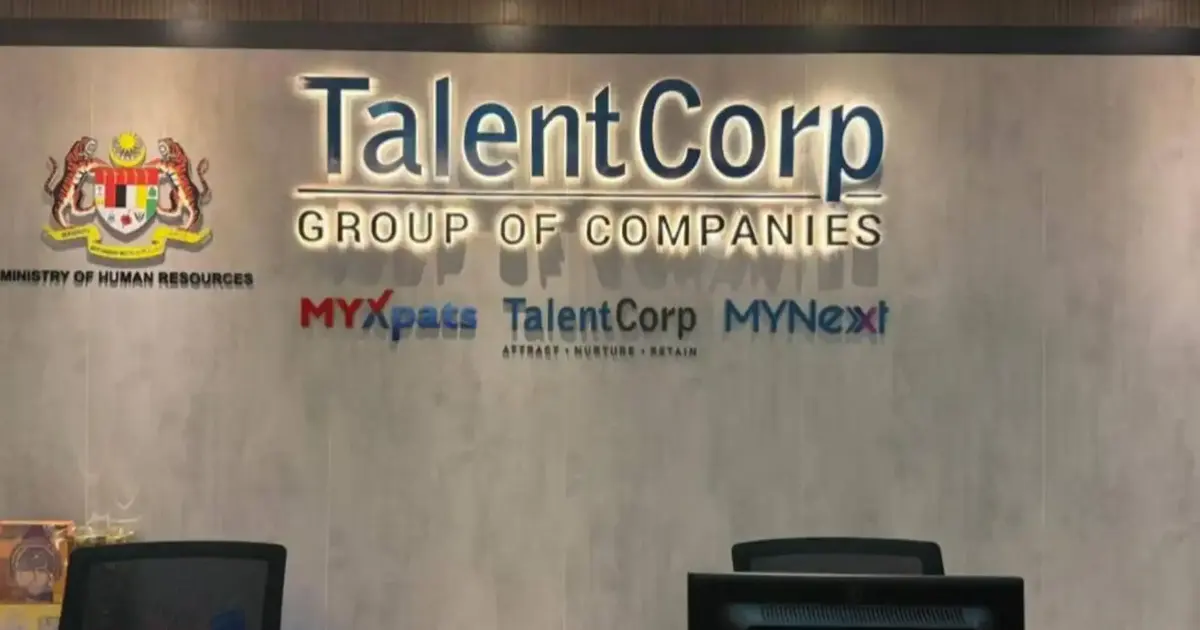
Prime Minister Anwar Ibrahim has directed the human resources ministry to undertake a thorough examination of TalentCorp's application mechanisms, signalling fresh government attention to the nation's talent attraction and retention strategies. Communications Minister Fahmi Fadzil disclosed the directive during recent remarks, indicating that the review process carries Cabinet-level significance as findings will be formally reported to the full ministry at a later date.
The decision to scrutinise TalentCorp's operational procedures reflects growing concerns about friction in Malaysia's efforts to lure skilled professionals back from abroad, particularly those working in critical healthcare sectors. TalentCorp, the government-backed corporation responsible for coordinating the return and retention of Malaysian talent, has faced sporadic criticism regarding the complexity and efficiency of its application workflows. By elevating this matter to Prime Ministerial level and assigning it to the human resources portfolio, the administration signals its commitment to streamlining pathways for overseas professionals to relocate domestically.
The emphasis on reviewing procedures specifically affecting returning doctors underscores the acute staffing challenges facing Malaysia's healthcare system. Medical professionals represent among the most mobile segments of Malaysia's diaspora, with thousands working in developed economies where compensation, working conditions, and career prospects frequently exceed domestic offerings. Brain drain in the medical field has created pronounced gaps in public hospitals and primary care facilities across the country, affecting service delivery and contributing to patient wait times. By focusing on reducing bureaucratic hurdles for physician recruitment, the government aims to convert administrative obstacles into opportunities for reversing this talent migration.
TalentCorp's current application architecture has reportedly created unnecessary delays and procedural redundancies that deter would-be returnees. Medical professionals already contemplating relocation face uncertainty regarding credential recognition, visa processing timelines, and coordination between multiple government agencies. A streamlined application process could substantially lower the friction costs associated with returning to Malaysia, potentially shifting decisions among overseas doctors who remain uncertain about the relocation logistics. This administrative dimension often proves as decisive as salary considerations in determining whether highly qualified individuals choose to return home.
The Cabinet's involvement in TalentCorp's review process reflects broader strategic priorities around Malaysia's economic competitiveness and human capital development. As regional competitors including Singapore and Australia aggressively recruit Malaysian healthcare talent, efficiency gains in returning-professional procedures represent concrete competitive advantages. The government's willingness to undertake systematic review suggests recognition that talent recruitment requires continuous refinement rather than static policy frameworks.
The healthcare sector's particular prominence in this review aligns with national priorities established in recent government statements emphasising health system strengthening. Public health infrastructure cannot function optimally without adequate physician staffing, making the success of doctor recruitment directly consequential to government health objectives. Any improvements to TalentCorp's pathways for medical professionals thus carry implications extending well beyond individual career transitions.
Minister Fahmi's public disclosure of the Prime Minister's directive appears calculated to signal to overseas professionals that the government actively listens to feedback about procedural impediments. This transparency regarding high-level attention to talent acquisition challenges itself constitutes a recruitment message, indicating that Malaysia regards overseas professionals not as secondary considerations but as central to national development aspirations.
The timing of this review initiative also reflects Malaysia's evolving approach to workforce development amid intensifying global competition for skilled talent. Countries throughout Asia increasingly recognise that attracting returning diaspora members requires reducing administrative burden alongside offering competitive remuneration. By examining TalentCorp's application processes comprehensively, Malaysia positions itself to incorporate best practices from international experience regarding talent mobility.
Once the human resources ministry completes its examination and Cabinet receives the findings, specific procedural reforms will likely follow. These could encompass streamlined credential verification processes, expedited visa handling for returning medical professionals, or enhanced coordination mechanisms between TalentCorp and relevant regulatory bodies. The establishment of clearer timelines and communication channels throughout applications could prove particularly valuable in reducing uncertainty that deters potentially returning professionals.
The broader implications of this initiative extend to Malaysia's regional standing regarding professional mobility and governance responsiveness. By demonstrating willingness to examine and improve processes affecting skilled return migration, the government sends messages about institutional adaptability that resonate throughout diaspora communities. For Malaysian doctors currently practising abroad, evidence that policymakers address identified obstacles to return may influence deliberations about long-term career location decisions.

