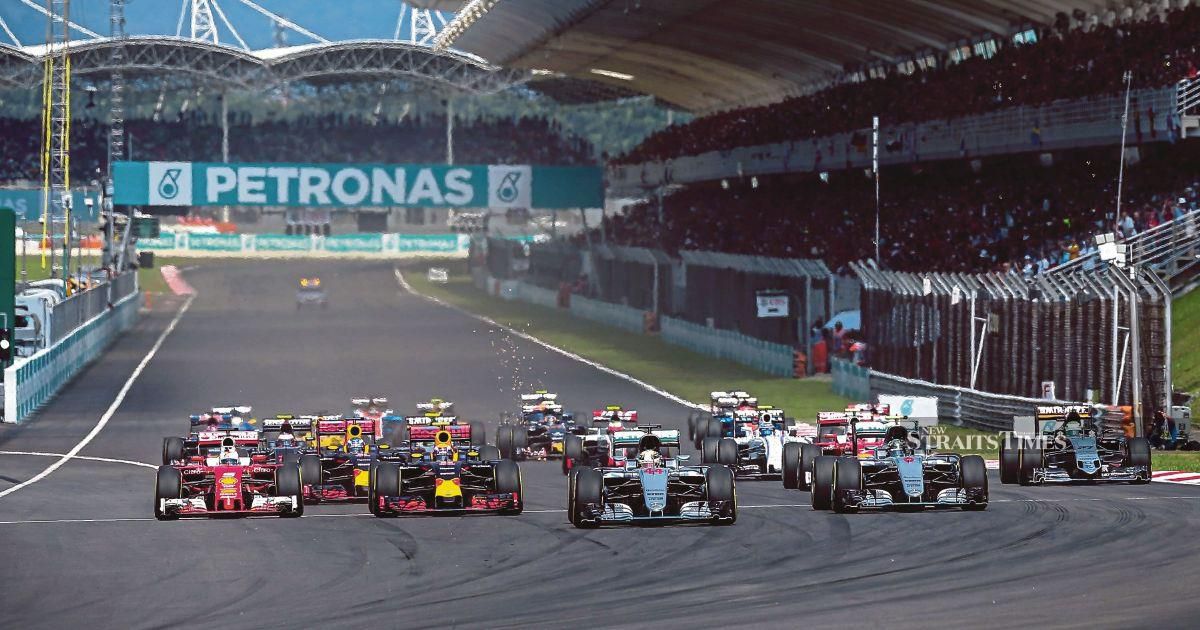
Prime Minister Datuk Seri Anwar Ibrahim has unveiled a special ticketing initiative designed to democratise access to Formula 1's return to Malaysia, offering discounted Madani tickets from RM200 to broaden the sport's local fan base. The move comes as the prestigious motorsport championship gears up for its October appearance at Sepang International Circuit (SIC), marking a significant moment for Malaysian motorsport enthusiasm and domestic tourism.
The affordability thrust reflects a deliberate policy decision to make one of the world's most exclusive sporting events accessible beyond affluent demographics. By pitching entry-level tickets at RM200, the initiative targets middle-income Malaysians who might otherwise find conventional F1 pricing prohibitive, particularly given that standard circuit hospitality packages often exceed several thousand ringgit. This price point positions the Malaysian Grand Prix as comparatively accessible within the global F1 calendar, potentially elevating attendance figures and creating lasting memories for families and younger enthusiasts encountering the sport firsthand.
Sepang International Circuit has long occupied a prominent position in Malaysia's sporting infrastructure since its inaugural Formula 1 race in 1999. The venue's technical layout and world-class facilities have consistently attracted international acclaim, though domestic participation in recent years has fluctuated. The introduction of subsidised tickets represents a strategic effort to revitalise local engagement, acknowledging that sustained motorsport popularity requires cultivation of grassroots fan interest alongside glamour associated with international racing circuits.
The Madani ticket scheme carries implications beyond mere spectator access, functioning as a broader policy tool within the government's wider accessibility agenda. Named after the ruling administration's governing philosophy, the initiative signals that major national events should benefit ordinary Malaysians rather than remaining exclusive provincial domains of the wealthy. This approach mirrors comparable strategies deployed by other Southeast Asian countries seeking to maximise returns on substantial infrastructure investments by ensuring authentic community participation.
October's race carries particular significance for Malaysian motorsport given the sector's historical importance to the nation's automotive identity. From Sepang's construction as a millennium project to the circuit's evolution into a regional entertainment destination hosting diverse events, the venue represents substantial national capital investment. Revitalised spectator enthusiasm translates into ancillary economic benefits—hospitality spending, tourism revenue, transportation utilisation, and merchandise sales all extend beyond gate receipts, benefiting broader Malaysian hospitality and service sectors.
The promotional framework also addresses demographic challenges facing motorsport globally. Formula 1 viewership skews towards older, wealthier audiences in many markets, creating sustainability concerns as traditional fan bases age. By reducing entry barriers for younger spectators and budget-conscious families, Malaysia's approach potentially cultivates next-generation racing enthusiasts who might otherwise encounter F1 exclusively through digital platforms. This intergenerational engagement strategy positions the Sepang round as seedbed for sustained motorsport interest rather than isolated annual spectacle.
Comparatively, regional competitors have pursued varied strategies regarding motorsport accessibility. Singapore's F1 night race commands premium pricing reflecting its unique urban circuit character, while other emerging markets have experimented with tiered ticketing to maximise attendance. Malaysia's subsidised approach represents a distinct positioning within Southeast Asia's motorsport landscape, potentially attracting comparative advantage as a value-conscious alternative without compromising event prestige or production standards.
The initiative's timing coincides with Malaysia's broader efforts to reclaim status as Asia-Pacific motorsport hub. Investment in circuit infrastructure, driver development programmes, and automotive manufacturing have historically differentiated Malaysian motorsport strategy. F1's return to Sepang with enhanced accessibility messaging reinforces that positioning, signalling Malaysia as market that values both international excellence and domestic participation, distinguishing the Malaysian Grand Prix experience from purely premium-oriented alternatives elsewhere.
Practical implementation logistics warrant consideration beyond headline ticket pricing. Distribution mechanisms—whether through official circuits, approved retailers, or digital platforms—will determine actual accessibility. Early allocation policies, restrictions on resale or secondary market speculation, and transparent communication regarding seat locations and facility access will ultimately determine whether subsidised pricing translates into genuine opportunity or symbolic gesture. Successful execution requires coordination between circuit operators, event organisers, and government bodies to ensure seamless experience for price-conscious spectators.
The economic multiplier effects of increased spectator numbers extend through Malaysian hospitality ecosystems. Accommodation facilities, restaurant services, ground transportation, and entertainment venues surrounding Sepang benefit substantially from heightened event visitation. Local businesses positioned to capture spending from expanded spectator demographics—particularly budget-conscious family groups and younger enthusiasts—represent secondary beneficiaries of enhanced accessibility policies.
Looking forward, the Madani ticket initiative establishes precedent for future Malaysian sporting events. Successfully integrating broad demographics into prestigious sporting occasions demonstrates viability of accessibility-focused event management strategies, potentially influencing how subsequent international competitions in Malaysia approach spectator inclusion. Beyond individual event success, normalising affordable access to world-class sporting experiences contributes to social cohesion narratives emphasising shared national pride regardless of economic status.
For Malaysian motorsport enthusiasts, October's race represents opportunity to engage with Formula 1 authenticity—the visceral experience of contemporary racing technology, the spectacle of international competition, and personal participation in moment that connects Malaysia to global sporting calendar. The subsidised ticket structure transforms what might otherwise remain distant aspirational experience into achievable reality, potentially reshaping how ordinary Malaysians perceive both motorsport and their relationship to major international events.

