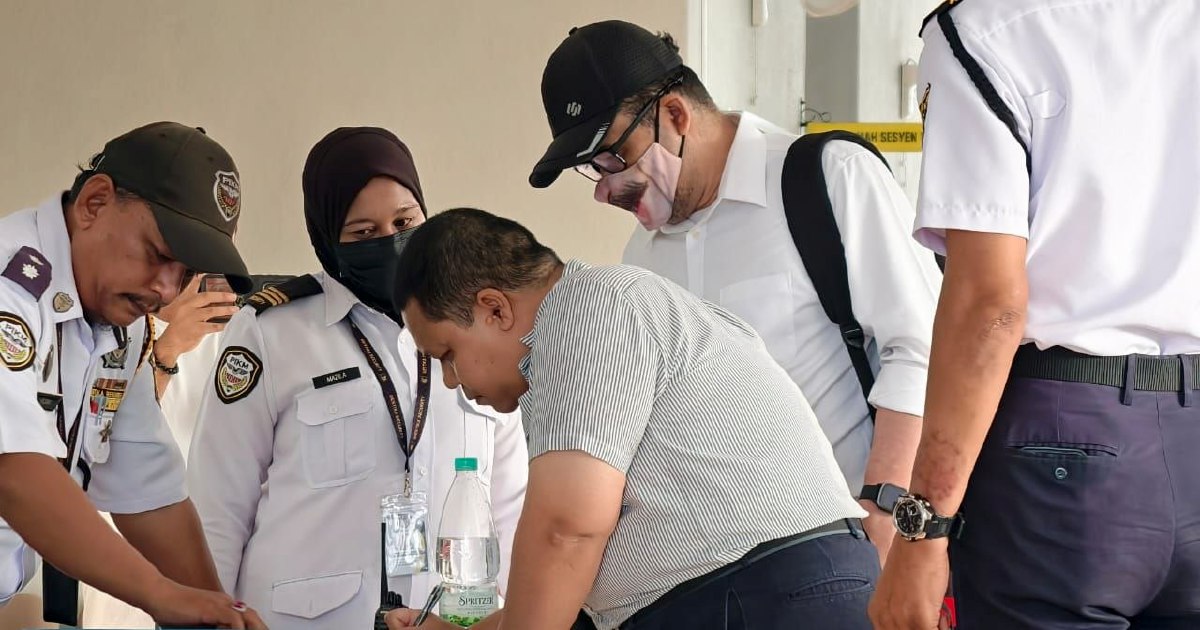
A preschool educator in Seremban was formally charged in Sessions Court with two counts of physically sexually assaulting an 8-year-old male pupil. The alleged offences are said to have taken place during April, marking a serious breach of trust within an educational setting where children should be safeguarded by those in positions of authority.
The charge represents a significant development in what constitutes one of the most serious forms of child abuse. The involvement of a preschool teacher in such allegations amplifies community concerns about the safety and protection mechanisms within early childhood education facilities across Malaysia. Preschools serve as institutions where parents entrust their young children to qualified educators, making the violation of this responsibility particularly grave and troubling for families relying on such services.
The emergence of this case arrives at a critical moment when Malaysian society has grown increasingly aware of child protection issues. Multiple high-profile incidents in recent years have prompted discussions about enhanced screening procedures, background checks, and institutional accountability within schools and preschools. The case underscores the continuing need for robust mechanisms to identify and prevent potential abusers from gaining access to children in educational environments.
For the Seremban community and the broader Negeri Sembilan state, this incident raises important questions about supervision protocols and reporting procedures within preschool facilities. Parents who send their children to such institutions rely on the assumption that trained professionals maintain appropriate boundaries and prioritise student welfare above all else. The breach of such fundamental trust creates ripple effects throughout the community and erodes confidence in institutional safeguarding practices.
The specific nature of the charges—two separate counts of physical sexual assault—indicates a pattern of behaviour rather than an isolated incident. This distinction is significant from both investigative and judicial perspectives, as it may influence sentencing considerations and demonstrates a sustained threat rather than a momentary lapse in judgment. The formal charging process represents a critical juncture where the legal system begins determining culpability and whether the allegations can be substantiated beyond reasonable doubt.
Child protection advocates have consistently emphasized that perpetrators often operate within environments where they enjoy trust and regular unsupervised access to victims. Educational settings, particularly preschools where children are at their most vulnerable, present particular risks. The detection and prosecution of such cases depends heavily on reporting mechanisms—whether from other staff members, family members, or children themselves—making institutional culture and transparency essential components of abuse prevention.
The implications for Malaysian early childhood education extend beyond this single case. Regulatory bodies and school administrators must examine whether existing guidelines adequately address prevention measures, staff conduct standards, and mandatory reporting obligations. Questions emerge regarding whether background screening was comprehensive, whether supervision was adequate, and whether warning signs were missed or ignored prior to formal allegations.
For the child at the centre of this case, the formal charging process initiates a potentially lengthy legal journey while addressing the immediate trauma and ongoing support required for recovery. Child protection services typically become involved in such cases to ensure the victim receives appropriate counseling, medical assessment, and psychological support throughout the legal proceedings and beyond.
The Sessions Court proceedings will determine whether the prosecution can successfully establish the allegations beyond reasonable doubt. If convicted, the defendant would face serious legal consequences reflecting society's commitment to protecting children and maintaining safeguards within educational institutions. Simultaneously, the case serves as a stark reminder to parents about the importance of open communication with children regarding their experiences at school and maintaining vigilance about behavioural changes that might indicate abuse.
This incident also highlights the broader Southeast Asian context, where child protection standards and enforcement vary significantly across nations. Malaysia's approach to such cases, including prosecution vigour and sentencing severity, influences regional perceptions about child safety and institutional accountability. The case may prompt neighbouring countries to revisit their own safeguarding protocols and screening procedures.
Moving forward, this prosecution may catalyse policy discussions within the Malaysian education sector regarding enhanced training for educators about professional boundaries, mandatory reporting mechanisms, and background verification systems. Educational institutions will likely face increased scrutiny regarding their internal accountability mechanisms and transparent communication with parents about safety protocols.

