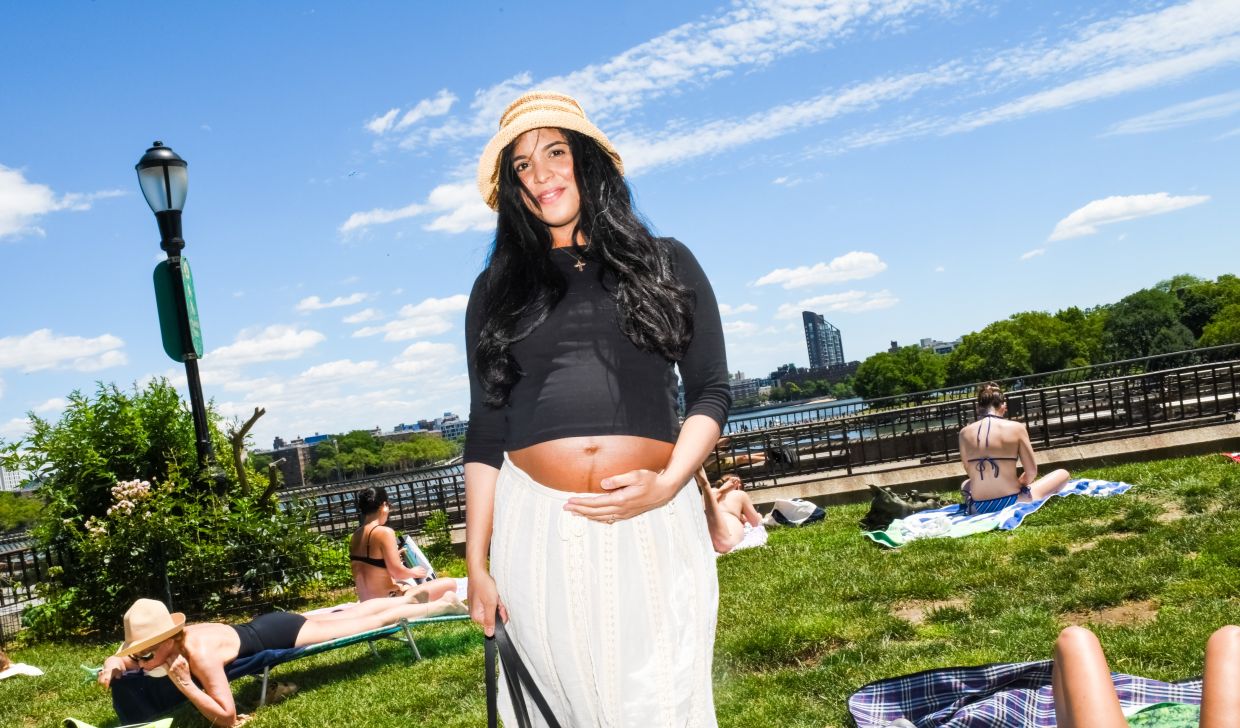
Maternity fashion is undergoing a profound transformation as a new generation of pregnant women rejects decades of tradition that treated pregnancy as something to conceal beneath loose, shapeless garments. Instead, expectant mothers are increasingly celebrating their changing bodies by styling pregnancy as a fashionable statement, deliberately displaying bare bellies in crop tops, strategic cutouts and figure-hugging designs. This cultural shift represents far more than aesthetic preference—it signals evolving attitudes toward female bodies, sexuality and the visibility of pregnancy in public spaces that carry particular significance across Southeast Asia, where traditional modesty conventions remain influential in many communities.
The trend gained momentum through high-profile celebrity endorsements that made pregnancy visibly fashionable. Beyoncé's 2017 baby shower appearance featuring her bare belly captivated global audiences, while Rihanna's 2022 pregnancy announcement in a half-unbuttoned pink Chanel puffer jacket essentially codified a new aesthetic standard. Subsequent celebrity pregnancies—including Anne Hathaway's white crop-top reveal and musician Michelle Zauner's June performance in an unbuttoned cardigan—have reinforced this emerging norm where pregnancy becomes an opportunity for self-expression rather than a condition requiring camouflage. For younger women like stylist and handbag designer Sarah Brown, this cultural permission to display rather than conceal represents liberation from previous generations' experiences of shame and invisibility surrounding the pregnant body.
Psychologists and fashion academics attribute this generational divergence to sustained messaging around body positivity that has shaped millennial and Generation Z attitudes fundamentally differently from earlier cohorts. According to Laura McAndrews, an associate professor at Kent State University's fashion school who specializes in maternity wear trends, younger women have absorbed consistent cultural messaging encouraging acceptance of bodily changes across all life stages. Where women in the 1990s and earlier eras typically adopted tent-like maternity garments designed for maximum concealment, contemporary expectant mothers view pregnancy as simply another phase within an expansive spectrum of bodily experiences worthy of celebration. This represents a philosophical break from decades of visual suppression, reflecting broader feminist progress in how societies regard women's physical autonomy and the right to occupy public space on their own terms.
Historical context illuminates why this transformation carries such significance. For centuries, pregnancy occupied an ambiguous social position—a visible reminder of sexual activity that many societies found improper to display openly, particularly in mixed company. Author Isabel Davis has documented how pregnancy was historically regarded as almost inherently transgressive, something rude to reveal through one's appearance. This cultural discomfort translated directly into fashion design; maternity wear functioned primarily as camouflage rather than celebration, with garments engineered to minimize rather than acknowledge the pregnant silhouette. The maternity clothing industry that developed under this framework essentially profited from female embarrassment, framing pregnancy as an aesthetic problem requiring solution rather than an experience worthy of acknowledgment.
Ariane Goldman, founder and chief creative officer of Hatch—a maternity fashion company established in 2011—has witnessed this cultural evolution firsthand across her company's growth trajectory. When Goldman initially launched Hatch, the landscape presented vastly different challenges; pregnancy remained taboo in many workplaces, with women actively hiding pregnancies from employers due to legitimate fears of termination or discrimination. Over the past decade, however, Goldman observes a dramatic cultural pivot toward celebrating and actively claiming the physical reality of pregnancy, with many women now refusing shame narratives entirely. This shift has paradoxically created uncertainty for the specialized maternity fashion industry, forcing companies to reconsider their core purpose as younger women increasingly reject category-specific clothing altogether in favour of adapted pieces from their partners' wardrobes, oversized vintage finds, or conventional sizing with strategic styling choices.
The economics of this transformation present intriguing challenges for maternity wear retailers. If expectant mothers can achieve fashionable, pregnancy-appropriate looks without purchasing dedicated maternity collections, what remains the category's fundamental value proposition? Yet Goldman argues that functionality rather than concealment now anchors the maternity market's continued relevance. Even women enthusiastically embracing visible pregnancy through deliberately curated styling eventually encounter practical limitations requiring specialized solutions. Pregnancy fundamentally alters bodily dimensions in ways that standard clothing cannot always accommodate comfortably; certain garments require specific engineering to provide adequate support, movement, and adjustment capacity as bodies change across forty weeks of gestation. Goldman's approach emphasizes how contemporary maternity wear succeeds by addressing genuine physical requirements rather than shame-based invisibility, thereby positioning the category as enabler of choice rather than mandatory conformity.
For practical purposes, many pregnant women now cobble together functional wardrobes through strategic mixing of borrowed pieces, elasticated basics and minimally-adapted conventional clothing. Sarah Brown's own pregnancy wardrobe exemplified this mixed approach—a couple of pairs of Los Angeles Apparel elastic-waist pants paired with Paloma Wool tops featuring side-unbuttoning features that accommodated her changing shape while maintaining contemporary aesthetic. This DIY approach reflects broader consumer reluctance to invest substantially in category-specific items, given pregnancy's temporary nature and the reduced utility of specialized garments post-partum. Rather than purchasing comprehensive maternity collections, many women now treat pregnancy as a styling challenge solvable through creative adaptation of existing closets, borrowed partner clothing, and strategic basic-piece acquisition focused purely on function rather than category identification.
The implications for Southeast Asian fashion markets remain complex, given regional differences in how pregnancy visibility intersects with cultural and religious modesty frameworks. While global celebrity influence certainly reaches Malaysian, Indonesian and Singaporean consumers through social media and digital fashion media, local contexts present distinct challenges and opportunities that Western-centric narratives often overlook. In many Southeast Asian societies, pregnancy remains subject to traditional conventions around female modesty that suggest more conservative presentation than contemporary Western celebrity standards might prescribe. This creates potential tension between aspirational global fashion trends and embedded cultural values, particularly among younger women navigating between international style influences and family or community expectations around appropriate pregnant presentation. Understanding how this international body-positivity movement localizes across diverse Southeast Asian contexts—each with distinct cultural, religious and social frameworks—merits close attention from regional fashion retailers and observers.
The broader cultural significance of this fashion transformation extends beyond mere style preference into territory regarding how societies visually acknowledge and validate female bodies undergoing significant physical transformation. When women stopped requiring permission to be visibly pregnant in public spaces, they claimed agency over their own embodied experience while challenging implicit assumptions that pregnant bodies require management, concealment or apology. By deliberately styling pregnancy as fashionable rather than functional, contemporary expectant mothers assert that pregnancy represents not a temporary disability requiring adaptive accommodation but rather a valid phase of embodied female existence deserving aesthetic attention. This philosophical reframing, while seemingly limited to fashion decisions, actually signals profound shifts in how women of reproductive age expect society to acknowledge, validate and celebrate their bodily autonomy across all life stages and circumstances.
Moving forward, the maternity fashion industry appears likely to continue fragmenting into specialized segments rather than reconsolidating around a single category. Certain consumers will remain invested in dedicated maternity collections for their engineering and research-backed functionality addressing specific pregnancy-related challenges. Others will persist in creative adaptation and borrowing approaches that maximize existing wardrobes. Still others may embrace the aesthetics of contemporary celebrity pregnancy styling while lacking practical knowledge about which conventional pieces actually accommodate nine months of physical transformation comfortably. For Malaysian and Southeast Asian retailers, this diversification suggests opportunities for locally-responsive solutions acknowledging regional aesthetic preferences, cultural modesty frameworks and economic accessibility rather than simply importing Western celebrity-driven trends wholesale. The future of maternity fashion likely belongs not to singular dominant approaches but rather to diverse, inclusive offerings respecting that pregnancy, like all bodily experiences, involves infinite variation in how different women experience and wish to present their changing forms.

