The Agricultural Farmers' Organisation, operating through its corporate structure, is embarking on an ambitious modernisation drive affecting 90 farmers' outlets spread across Malaysia. This strategic initiative, overseen by the Farmers' Organisation Authority, seeks to position these outlets as credible alternatives to established food and beverage and retail chains. According to Marlina Mohd, director of the LPP's Economic Development Division, the transformation programme represents a fundamental shift in how Malaysia's farming sector engages with consumers, moving beyond traditional agricultural marketing toward professional retail operations.
To date, 30 of these outlets have successfully completed the upgrade process, with enhancements spanning visual branding, operational image, promotional strategies, and inventory management systems. The organisation's stated objective involves bringing an additional 30 outlets into this modernised framework within the coming period, demonstrating a measured but deliberate approach to systemic change. This phased rollout allows the PPK to apply lessons learned from initial upgrades and refine its methodology before expanding further. The upgrades represent more than superficial rebranding; they constitute a comprehensive repositioning that acknowledges the necessity for farmer-operated retail to meet contemporary consumer expectations regarding presentation, convenience, and purchasing experience.
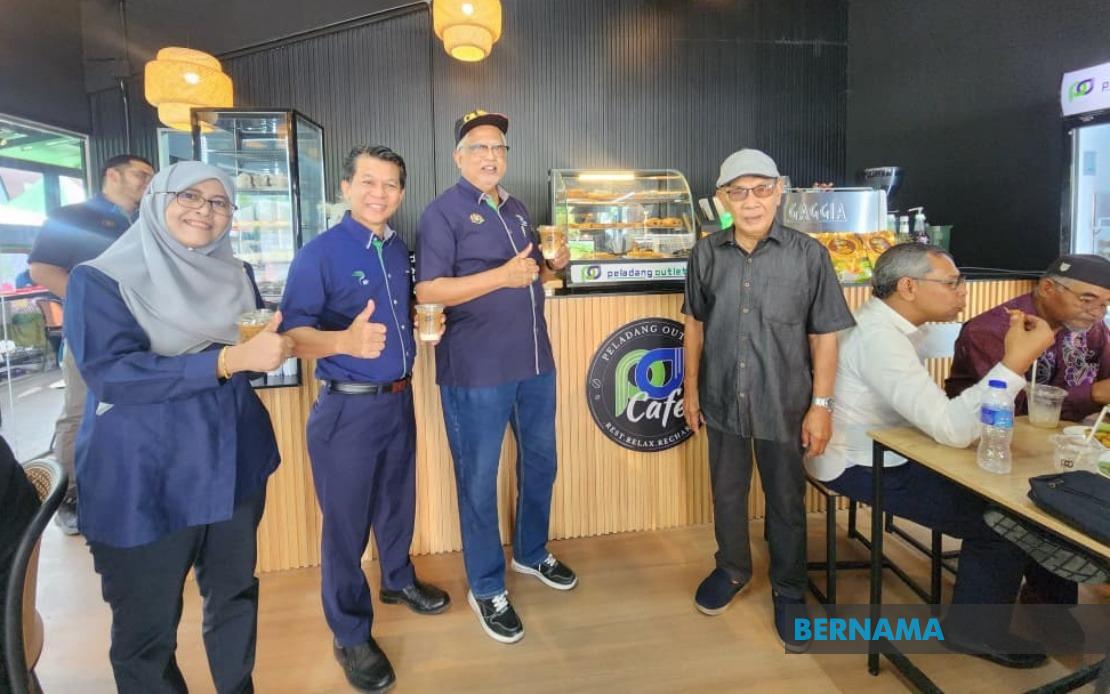
The Padang Siding farmers' outlet, situated in Arau, exemplifies the programme's practical application. Inaugurated by LPP chairman Datuk Mahfuz Omar during the 51st Farmers, Breeders, and Fishermen's Day celebration, this outlet has already demonstrated significant community acceptance since commencing operations in April this year. The outlet has attracted over 20,000 visitors in its initial months, a metric that organisers highlight as validation of the one-stop centre concept. This visitor volume suggests that Malaysian consumers respond positively to aggregated local agricultural offerings when presented through modern retail frameworks, challenging assumptions about price sensitivity and shopping preferences in rural and suburban markets.
Marlina's commentary on the outlet platform emphasizes its function as a showcase for quality farmer products from local entrepreneurs. This characterisation is significant because it reframes farmers' outlets from being perceived as discount outlets for surplus produce into branded retail destinations offering premium locally-sourced products. The positioning has implications for farmer income and market power. By establishing direct-to-consumer channels that bypass traditional intermediaries, the PPK structure potentially allows producers to retain larger profit margins while maintaining competitive pricing through elimination of middleman markups. This economic model aligns with broader Southeast Asian trends toward farmer empowerment and agricultural value chain restructuring.
The competitive environment that prompted this modernisation effort reflects structural changes in Malaysian retail. Consumers increasingly expect consistency, convenience, and professional service regardless of whether they shop at hypermarkets or farmers' outlets. Large retailers have invested substantially in supply chain management, merchandising, and customer experience, setting benchmarks that smaller agricultural outlets must now match to remain relevant. The PPK's recognition of this reality demonstrates institutional responsiveness to market dynamics rather than complacency about captive rural audiences. By investing in logo redesign, promotional campaigns, and proper inventory management systems, the organisation signals that farming communities can compete effectively in professional retail contexts.
The nationwide expansion strategy carries particular significance for Malaysian food security and agricultural resilience. By strengthening the commercial viability of farmers' outlets, the PPK indirectly supports agricultural production sustainability. Farmers with reliable, remunerative outlets for their products are more likely to continue farming and potentially expand production. This supply-side stability benefits consumers through more consistent availability of locally-grown food, reducing dependence on imports and supporting self-sufficiency in strategic agricultural categories. For Malaysia's broader economic development objectives, particularly those emphasising value-added agriculture and rural income generation, this outlet modernisation represents practical implementation of agricultural policy.
The SKU standardisation mentioned by Marlina warrants particular attention from supply chain perspectives. Proper stock keeping unit systems enable accurate inventory tracking, demand forecasting, and supplier management. When applied across a network of 90 outlets, standardised SKU protocols create administrative efficiency while allowing headquarters to monitor sales patterns and optimise product mix by location. This data-driven approach transforms PPK outlets from independent operator-managed shops into a coordinated retail network capable of sophisticated commercial operations. For small-scale farmers and producers supplying these outlets, such systems provide valuable market intelligence about which products sell best, enabling production decisions based on actual demand rather than speculation.
The emphasis on bringing outlets to competitive parity with leading F&B and retail brands reflects a sophisticated understanding of market psychology. Consumers often make purchasing decisions based on perceived quality and professionalism, not solely on price. By upgrading visual presentation and operational standards, the PPK may successfully capture market segments willing to pay premium prices for locally-sourced products with quality assurance. This approach differs fundamentally from competing purely on price, which would place farmer-operated outlets at disadvantage against capital-rich corporate retailers. Instead, the modernisation strategy enables competition on brand identity and product authenticity, dimensions where local farmers potentially maintain competitive advantages.
The 51st Farmers, Breeders, and Fishermen's Day celebration in Arau provided an appropriate platform for announcing these initiatives, as such events typically convene agricultural stakeholders and policymakers. The attendance of LPP director-general Amir Matamin alongside chairman Datuk Mahfuz Omar signalled institutional commitment to the programme's implementation. High-level participation in inauguration ceremonies demonstrates that outlet modernisation constitutes a priority initiative rather than routine administrative activity, potentially expediting resource allocation and bureaucratic support necessary for scaled execution.
Looking forward, the organisation's expressed intention to further expand outlet presence nationwide suggests ambitions extending beyond the current 90-outlet target. As the programme matures and success metrics accumulate, the PPK may accelerate rollout timelines or increase unit targets. Success at Padang Siding and other early-adopter outlets provides proof-of-concept evidence that should encourage policy support and financing for broader network expansion. For Malaysian agriculture, this trajectory implies a gradual shift toward direct-to-consumer models that strengthen farmer bargaining power and profitability.
The outlet modernisation initiative also addresses regional market integration dynamics relevant to Southeast Asia. As ASEAN nations increasingly engage in cross-border agricultural trade, Malaysian farmers face competition from imported products. Strengthening domestic outlets through professional retail operations creates competitive advantages for local producers by enhancing their visibility and accessibility to consumers. This localist strategy complements trade engagement rather than contradicting it, allowing Malaysian agriculture to compete effectively both domestically and regionally by emphasising quality and reliability.
For consumers, the transformation potentially translates into expanded convenient access to farm-fresh products at transparent pricing. The one-stop centre concept reduces search costs for buyers seeking specific agricultural products, while direct farmer-operated channels theoretically eliminate price distortions created by multiple intermediary layers. Over time, as the outlet network matures and achieves scale, competitive pricing may improve further through operational efficiency gains and enhanced producer bargaining capacity.
The modernisation programme ultimately represents institutional adaptation within Malaysia's agricultural sector. Rather than resisting competitive pressures or defending outdated retail models, the PPK proactively repositions itself to meet contemporary market expectations. Success will depend on consistent execution of the phased upgrade programme, ongoing support from government agencies, and continued consumer acceptance of the modernised outlets. If the Padang Siding outlet's visitation figures prove replicable across other locations, the initiative may establish a viable model for sustainable farmer livelihoods and resilient agricultural markets throughout Malaysia.

