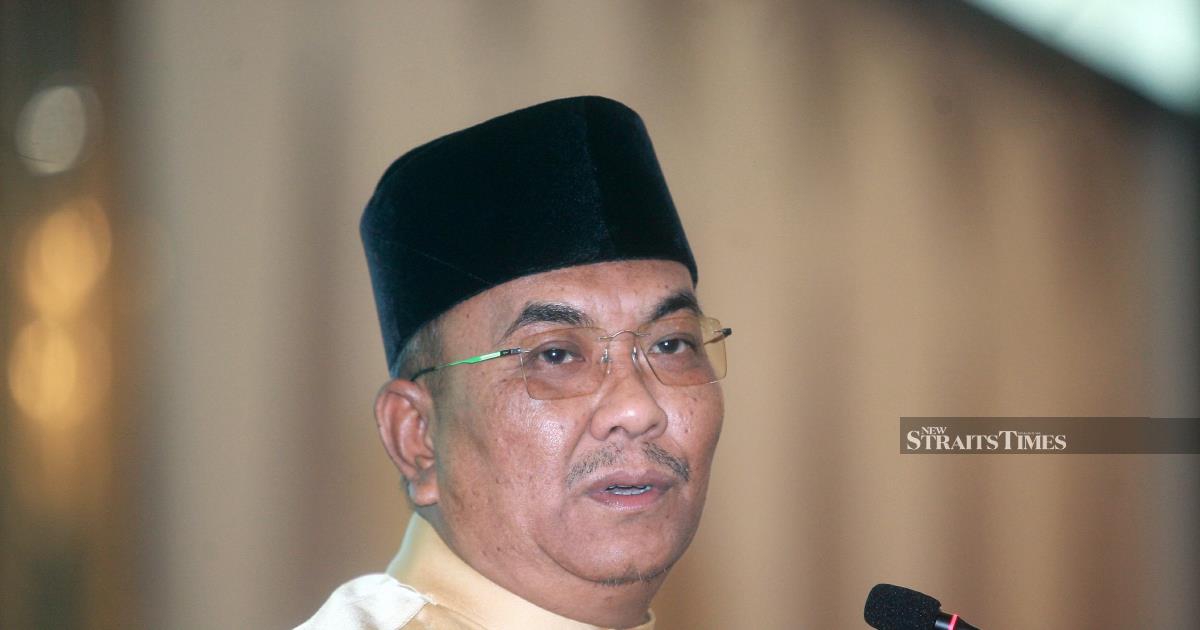
Kedah Menteri Besar Datuk Seri Muhammad Sanusi Md Nor and a senior Umno figure from Rembau are set to be called in by police for questioning over remarks they delivered while campaigning in the recent Negri Sembilan election. The police decision signals growing scrutiny of campaign conduct during state electoral contests, with authorities examining whether particular statements crossed legal or regulatory lines.
The move reflects an intensifying pattern of police involvement in monitoring campaign activity across Malaysian states. Election campaigns have increasingly become the focus of law enforcement attention, particularly when political figures make statements that authorities believe may require clarification or investigation. This development underscores the delicate balance between facilitating political discourse and maintaining order during electoral periods.
Sanusi, who leads Kedah as Menteri Besar, has been a prominent figure in recent years, drawing attention both for his administrative decisions and his public statements. His involvement in campaign activities in neighbouring states demonstrates the cross-state nature of Malaysian political engagement, where senior leaders from one state actively participate in electoral contests elsewhere. The summons represents a potential complication for his political standing and schedule.
The Rembau Umno leader's inclusion in the police inquiry suggests that concerns about campaign conduct extend across the political spectrum and geographic boundaries. Rembau, situated within Negri Sembilan, has been a focal point of political activity, and the involvement of a local Umno representative highlights how campaign controversies can emerge from grassroots-level political figures as well as state-level leaders.
The nature of the remarks that prompted police attention remains a matter of immediate concern for observers tracking electoral governance in Malaysia. Campaign statements that attract police scrutiny typically relate to matters of public order, religious sensitivities, incitement concerns, or violations of election-related regulations. The specifics of what each figure allegedly stated will likely determine the severity of any potential charges or further actions.
For Malaysian voters and political analysts, this development raises broader questions about the boundaries of permissible campaign speech and the role of law enforcement in electoral processes. Southeast Asian democracies have grappled consistently with establishing clear parameters around what constitutes acceptable political expression during campaign periods. Police involvement at this stage suggests authorities view the statements as sufficiently concerning to warrant formal investigation rather than relying on existing regulatory mechanisms.
The timing of such summonses during or immediately after electoral contests can significantly impact political narratives. For Sanusi's administration in Kedah, police questioning may distract from governance priorities and invite scrutiny from political opponents. Simultaneously, for the Rembau Umno figure, the inquiry could affect his credibility and standing within party structures as internal leadership dynamics continue evolving.
This incident also reflects the broader ecosystem of campaign monitoring that now characterizes Malaysian electoral contests. Election commissions, police forces, and various regulatory bodies maintain heightened attention during campaign periods, with different agencies responsible for different aspects of electoral conduct. When police become involved in examining campaign statements, it indicates that authorities perceive a potential breach extending beyond electoral commission jurisdiction into matters of public order or statutory offences.
Regionally, Malaysia's approach to campaign regulation and police oversight during elections offers insights into how Southeast Asian democracies navigate the tension between electoral freedom and state authority. Neighbouring countries face similar challenges in determining appropriate boundaries for campaign conduct and identifying which agencies should intervene in various circumstances. The approach taken in Malaysian elections thus carries relevance for broader democratic governance discussions throughout the region.
Looking ahead, the outcomes of these police inquiries will likely influence how political figures calibrate their campaign messaging in future elections. Clear signals about which types of statements attract law enforcement attention help shape the boundaries of acceptable campaign discourse across political parties and regions. The police decision to summon both figures sends a message that scrutiny applies regardless of political affiliation or geographic location.
For Negri Sembilan specifically, the election campaign's aftermath will continue generating attention as authorities complete their investigations. The state's political landscape remains dynamic, with various factions seeking to consolidate support and advance their agendas. Campaign-related investigations can influence perceptions of fairness and the perceived victor's legitimacy if they emerge in the election's immediate aftermath.
The involvement of senior figures like Sanusi in multi-state campaign activities, while common in Malaysian politics, creates layers of complexity when legal issues arise. His dual role as a Kedah administrator and active participant in Negri Sembilan's electoral process means that police action carries implications beyond the immediate electoral context. It touches on questions of federalism, resource allocation, and the nature of political responsibility across state boundaries.
Moving forward, the police investigations will likely conclude with either formal charges, release without action, or referral to other agencies. Regardless of outcome, the episode underscores how campaigns in contemporary Malaysia operate under substantial regulatory oversight, with multiple authorities monitoring political conduct and prepared to intervene when concerns emerge about compliance with legal standards.

