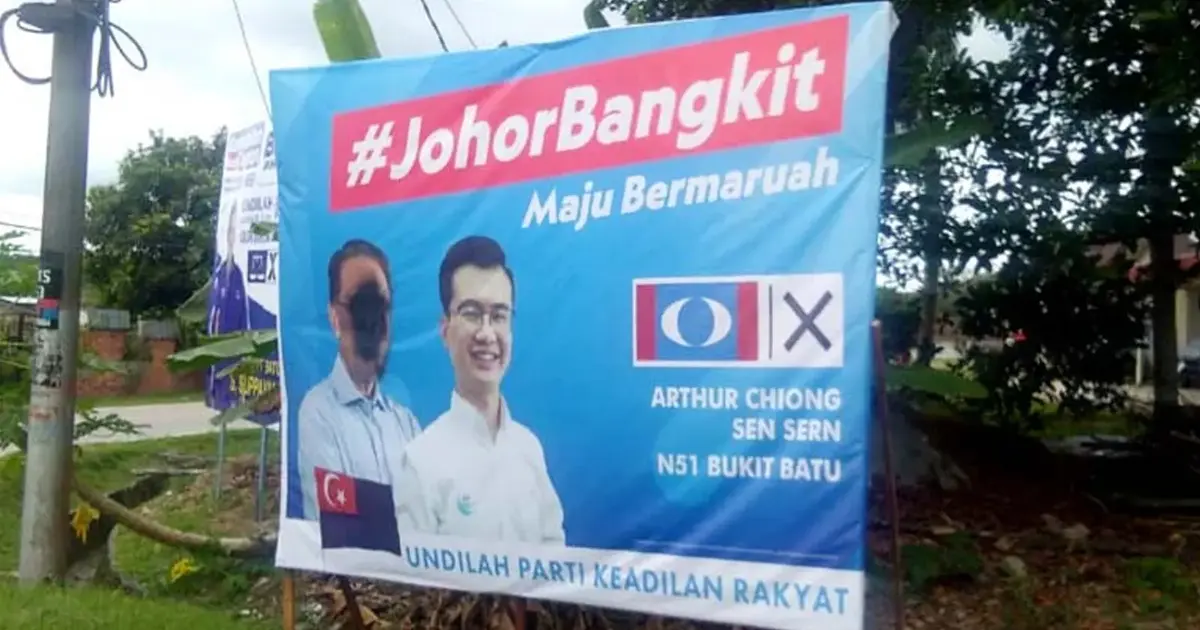
Malaysia's Inspector-General of Police Khalid Ismail has provided an overview of law enforcement activity during the most recent campaign period, revealing that police received a total of 90 reports from the public. Of these, authorities proceeded to open 25 investigation papers to examine allegations further. The disclosure offers insight into the security landscape surrounding Malaysia's electoral process and the nature of complaints that emerge during political campaigns.
According to Khalid's account, the complaints that triggered police action were predominantly minor in character. Vandalism emerged as the most prominent category of incident, suggesting that property damage and defacement constituted the bulk of police concerns. This characterisation positions the campaign period as relatively orderly in terms of serious criminal activity, though it underscores that minor infractions do occur during periods of heightened political activity across the country.
A significant aspect of Khalid's statement centres on his clarification that the reported incidents did not implicate the political parties themselves or their official candidates. This distinction matters considerably for understanding the regulatory environment in which campaigns operate. By separating the complaints from party-level conduct, the IGP suggests that incidents were either isolated individual actions or matters unrelated to organised political behaviour. This finding would provide some reassurance to both electoral authorities and the public that systemic breaches of campaign conduct rules were not widespread.
The gap between the 90 reports received and the 25 investigation papers opened indicates a filtering process at the preliminary stage. Some complaints likely did not meet evidentiary thresholds or fell outside police jurisdiction, leading to their closure without formal investigation. This administrative sieve is typical of police work and reflects the distinction between public grievances and matters substantive enough to warrant investigative resources. The ratio suggests that approximately three-quarters of initial complaints did not advance to full investigation status.
Malaysia's approach to managing campaign-period policing reflects broader concerns across Southeast Asia about balancing electoral fairness with public order. The relatively modest number of reports—90 across an entire campaign—indicates that serious electoral disturbances were not prevalent, though the existence of even minor incidents demonstrates the need for vigilant enforcement. For Malaysian voters and observers, this data point suggests that campaigns proceeded without widespread disruption, though the underlying causes of the vandalism incidents merit examination.
The timing of Khalid's disclosure is noteworthy, as police statements about campaign conduct often serve to establish the official narrative around electoral integrity. By characterising reported issues as minor and unconnected to party operations, the IGP shapes public perception of the electoral process's security and legitimacy. This narrative carries weight in a Malaysian context where public confidence in institutions remains contested and subject to interpretation by different political actors.
For parties and candidates themselves, the police chief's clarification that investigations did not centre on their conduct may be strategically important. It allows campaigns to move forward without the shadow of systematic accusations of misconduct. However, it also leaves open questions about what constitutes acceptable campaign activity and where the boundaries lie between protected political expression and investigable conduct.
The vandalism incidents that did trigger investigation papers raise practical questions about campaign logistics and public spaces. In Malaysian towns and cities, election-related materials—posters, banners, and billboards—proliferate during campaigns, and the removal or defacement of such materials represents a recurring tension point. The police data suggests these disputes remained localised rather than escalating into broader conflict.
From a regulatory standpoint, the 25 investigation papers represent cases where police determined sufficient grounds existed to gather evidence and potentially refer matters for prosecution. Depending on the jurisdiction and circumstances, these could involve charges under electoral law, the Penal Code, or other statutes. The outcomes of these investigations will ultimately shape campaign norms for future electoral cycles.
The distinction Khalid drew between complaints against individuals rather than parties reflects Malaysia's regulatory framework, which establishes different liability standards for organised political entities versus individual actors. This framework recognises that parties bear institutional responsibility while allowing for personal accountability. Understanding this distinction is crucial for assessing whether the campaign environment genuinely remained orderly or whether troublemakers operated with tacit encouragement from higher levels.
For Malaysian readers and regional observers monitoring the country's electoral health, these figures offer baseline data for comparison with future campaigns. The prevalence of vandalism-related incidents and their relative containment by police suggest that Malaysia's electoral machinery functioned without major disruptions during the campaign period in question. As the nation continues to navigate democratic processes amid intense political competition, such quantitative records help establish whether governance capacity to manage campaigns is improving or deteriorating.
Moving forward, the apparent focus on minor property-related offences rather than more serious electoral crimes—such as violence, intimidation, or ballot tampering—may reflect either effective police prevention work or the possibility that such incidents occurred but were not reported. Understanding this distinction requires examining whether reporting mechanisms and victim confidence in police are sufficient to bring serious breaches to official attention. This remains an open question for Malaysian civil society and electoral watchdogs to investigate independently.

