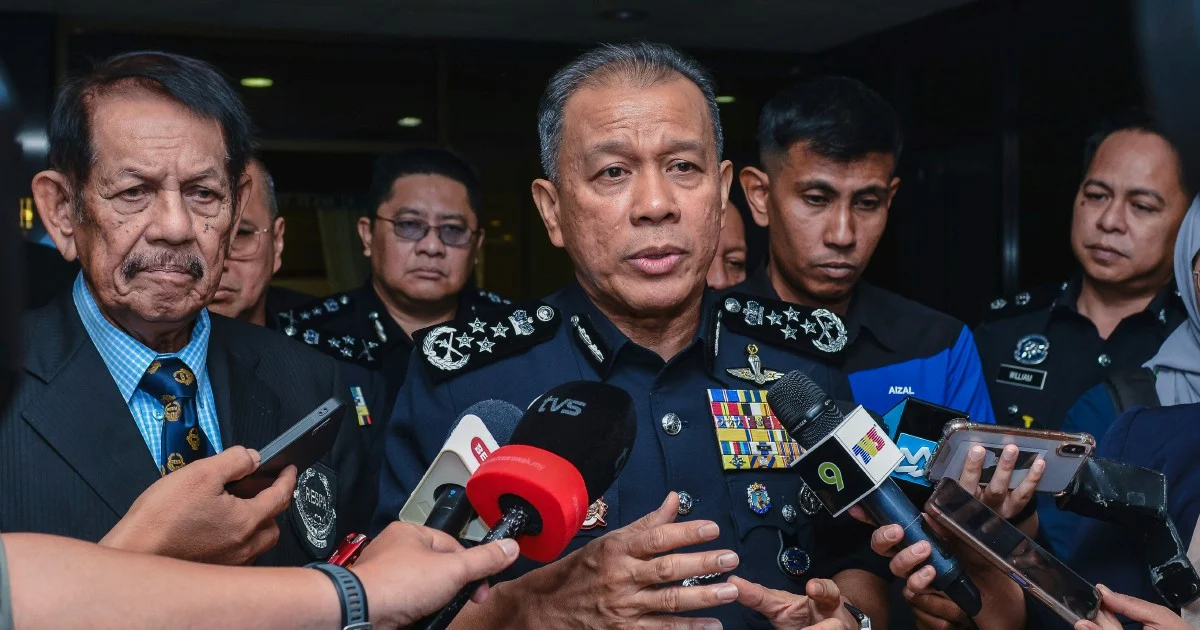
The Royal Malaysia Police has opened a formal disciplinary inquiry into one of its officers following the emergence of a video that sparked considerable online discussion and criticism. The investigation was confirmed by the Inspector-General of Police, who indicated that the force is taking the matter seriously and moving swiftly to establish the facts surrounding the incident.
The video in question went viral across social media platforms, with users claiming it showed a member of the police force making disparaging comments towards residents they encountered while travelling in China. The precise nature of the alleged remarks and the circumstances in which they were made remain the subject of the ongoing investigation, though early reports suggest the incident has triggered significant public concern about the conduct of law enforcement personnel representing Malaysia abroad.
The timing of this investigation reflects a broader pattern of heightened scrutiny faced by public officials in Malaysia, where viral videos and social media posts have increasingly become vehicles for accountability. Citizens now routinely capture and share footage of incidents involving state officials, creating an informal but powerful mechanism for monitoring conduct that extends beyond traditional channels of official oversight. This case exemplifies how digital platforms have fundamentally altered the landscape of public accountability in Southeast Asia.
For the police force itself, the investigation represents an opportunity to demonstrate its commitment to maintaining professional standards and disciplinary rigour among its ranks. The Inspector-General's acknowledgement of the case signals that the institution recognises the importance of protecting its reputation and the public's confidence in its personnel. How the force handles this matter will likely influence public perception of its ability to police its own members effectively, a concern that frequently surfaces in discussions about institutional accountability in Malaysia.
The incident also carries broader implications for how Malaysian officials conduct themselves while representing the country internationally. As diplomatic relations between Malaysia and China remain significant for trade, investment, and regional security, the actions of any representative—whether official or unofficial—can potentially affect bilateral relations if they are perceived as disrespectful to local populations. The diplomatic sensitivity of the context adds another layer to why the police force is treating this investigation with apparent urgency.
From a public relations perspective, the viral nature of the video demonstrates how quickly and extensively negative imagery can spread across digital networks before institutional responses can be formulated. By the time the police formally announced the investigation, the video had already achieved significant traction online, illustrating the speed advantage that social media possesses over traditional institutional communication. This phenomenon has become routine in Malaysia and other Southeast Asian nations, where public scandals often develop momentum through viral content before official channels can respond.
The disciplinary process itself will involve gathering statements, examining the video evidence, and determining whether the officer's conduct violated police regulations and professional codes of conduct. Depending on the severity of the findings, potential outcomes could range from counselling and warnings to suspension or termination of service. The transparency with which the police handles this process, including eventual communication of results to the public, will significantly influence how the institution is perceived by citizens and media observers.
This investigation also reflects the Royal Malaysia Police's need to maintain internal discipline while facing external pressure from social media and public opinion. The force must balance the competing demands of protecting officer welfare, maintaining institutional integrity, and responding to legitimate public concerns about professional standards. These tensions are not unique to Malaysia but have become increasingly pronounced across Southeast Asia as digital connectivity has empowered citizens to document and disseminate evidence of official conduct.
The broader context includes Malaysia's commitment to fostering positive international relations and tourism promotion, sectors where incidents involving officials behaving disrespectfully can have reputational consequences. Both the government and the police force have interests in resolving this matter promptly and transparently, signalling to international partners and domestic stakeholders that professional standards are taken seriously and that misconduct does not go unaddressed.
Looking forward, this case may prompt the police force to review its training and conduct protocols for officers travelling abroad, ensuring they understand the importance of representing Malaysia respectfully in international contexts. Many institutions across Southeast Asia have begun implementing such protocols in response to similar incidents, recognising that the digital age demands higher standards of situational awareness and professional comportment from public officials wherever they operate.