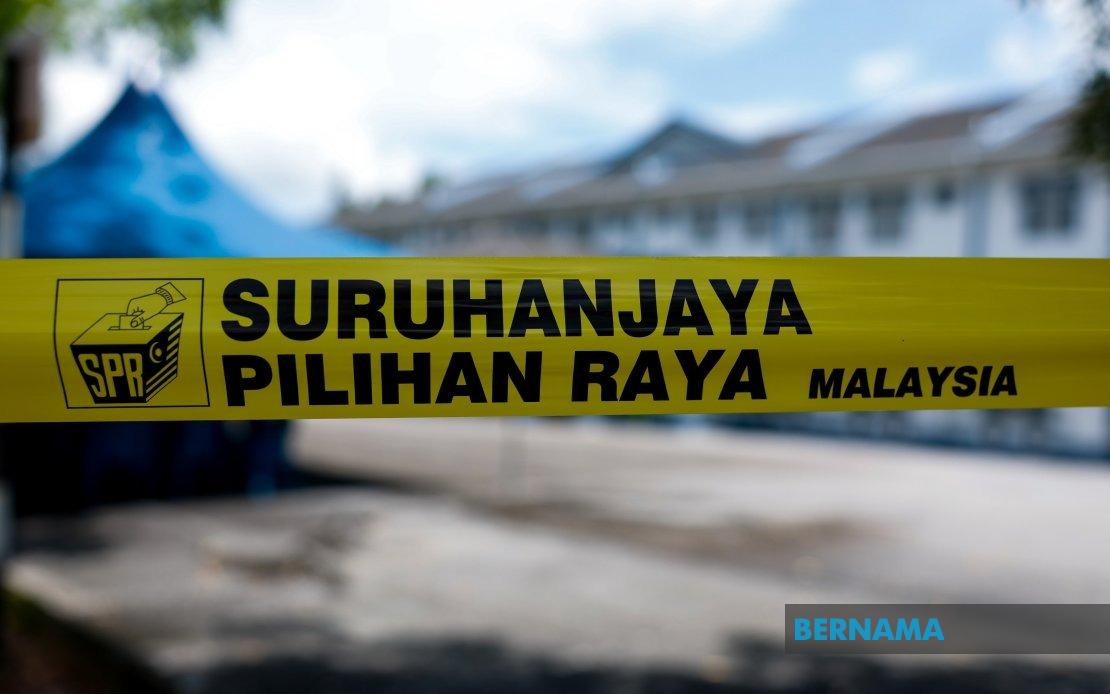
As the Negeri Sembilan state election campaign intensifies, law enforcement has begun documenting alleged breaches of electoral regulations, with police opening seven investigation papers tied to various election offences during the polling period. Negeri Sembilan Police Chief Datuk Alzafny Ahmad disclosed the figure on Wednesday, signalling the authorities' commitment to maintaining order throughout the competitive electoral process leading up to voting day on August 1.
Two of the seven cases were initiated overnight, both stemming from allegations under Section 427 of the Penal Code, which addresses mischief that results in property loss or damage. These provisions are frequently invoked during election periods when campaign materials, party insignia, or physical infrastructure become targets during heated political contests. The specific circumstances surrounding these two incidents remain undisclosed, though such complaints typically arise when rival supporters engage in disputes over campaigning space or removal of promotional materials.
The enforcement landscape reflects broader patterns observed during election campaigns across Malaysia, where the intensity of political competition occasionally spills into confrontational conduct. Between July 18 and 22 alone, the Negeri Sembilan contingent of the Royal Malaysia Police received 12 separate reports touching on election-related offences, demonstrating consistent public engagement with law enforcement channels to flag perceived irregularities or misconduct. This reporting volume suggests either heightened vigilance among the voting population or an increasingly contentious campaign environment, or likely both.
Parallel to enforcement activities, the state police apparatus has been managing the administrative clearance process for campaign events. In a single day this week, authorities processed and approved 53 permit applications for political ceramahs and associated campaign gatherings. Cumulatively, 226 permits have received official sanction since the campaign commenced, reflecting the substantial volume of public political engagement and the logistical complexity of supervising these distributed activities across multiple constituencies.
The permitting system represents a crucial intersection between democratic participation rights and public order maintenance. Political ceramahs, or informal talks and rallies, form a cornerstone of Malaysian electoral campaigns, particularly at the state level where politicians engage directly with constituents. Police monitoring of these events focuses on ensuring compliance with applicable regulations and safeguarding public safety and tranquillity. The approval framework allows authorities to track planned gatherings and position resources appropriately while avoiding blanket prohibition of political expression.
Datak Alzafny's statement underscores that the force intends to sustain heightened preparedness, ongoing surveillance, and rigorous enforcement mechanisms through the duration of the campaign phase. This posture reflects lessons learned from previous electoral cycles and recognition that preventing violations proves more effective than reactive response to breaches. The police commitment to stern action against legal infractions aims to deter potential offenders and signal that the democratic process operates within defined boundaries.
The Election Commission has scheduled early voting for July 28, with the main polling event occurring three days later on August 1. This compressed timeline concentrates campaign activity into a relatively narrow window, intensifying competitive pressures and the likelihood of friction between rival political camps. Early voting provisions allow voters including those unable to attend on polling day—such as essential services workers, security personnel, and overseas citizens—to cast ballots earlier, affecting the distribution of campaign momentum.
For Malaysian electoral observers and political analysts, the Negeri Sembilan election carries significance beyond the state's borders. The contest occurs against the backdrop of national political realignments and factional tensions within governing coalitions, making state-level results potentially consequential for the broader political trajectory. Campaign conduct and electoral mechanics in Negeri Sembilan may signal broader trends or vulnerabilities in Malaysia's democratic infrastructure.
The police call for public compliance with law, respect for democratic processes, and cooperation with authorities reflects the delicate balance required during election periods. Communities must balance competitive political engagement with social cohesion, and law enforcement must encourage participation while enforcing legal boundaries. The appeal acknowledges that electoral integrity depends not solely on official oversight but on the electorate's collective commitment to peaceful, orderly conduct.
Looking ahead to the final campaign stretch, police resource allocation and enforcement priorities will likely intensify. The volume of permits processed and reported offences suggests an engaged populace and active political competition. How the state's leadership communicates respect for the electoral process and commitment to peaceful transitions of power—should they occur—will influence voter conduct and campaign atmosphere during the crucial final days before August 1.

