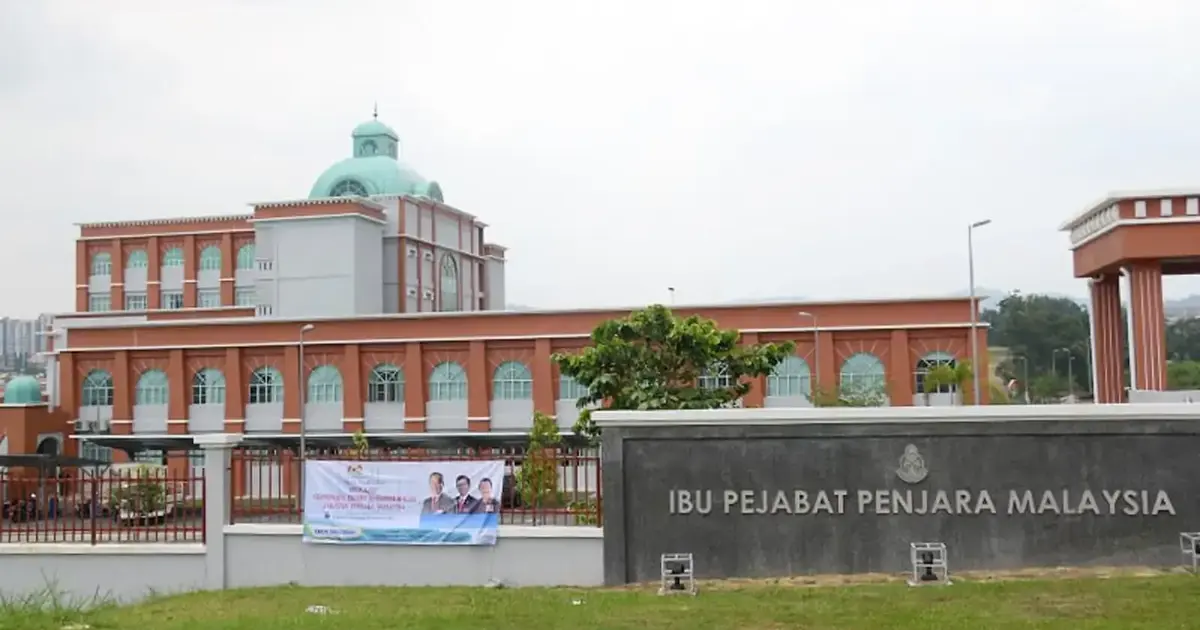
Law enforcement authorities have initiated a formal investigation into the circumstances surrounding a death that occurred within a correctional facility, while simultaneously examining allegations of inmate abuse brought forward by human rights advocates. The dual inquiry represents a significant development in Malaysia's ongoing oversight mechanisms regarding conditions and practices within the custodial system.
The human rights organisation Suaram has emerged as a key voice raising concerns about the incident, highlighting what it characterises as systemic mistreatment of individuals held in state custody. The group's intervention underscores persistent questions about accountability and transparency within Malaysia's prison infrastructure, issues that have periodically drawn domestic and international scrutiny over the past decade.
Officials from the prisons department have responded to the investigation by announcing their commitment to full cooperation with law enforcement personnel handling the case. This stance reflects an institutional acknowledgment of the seriousness with which authorities are treating the matter and suggests an attempt to demonstrate institutional willingness to participate transparently in the investigative process. Such cooperation between different government agencies represents a noteworthy posture when investigations involve potential institutional failings.
The department has additionally issued a public statement cautioning against speculative commentary, requesting that citizens refrain from drawing conclusions or making definitive claims prior to the completion of formal inquiries. This communication strategy appears designed to manage public discourse around a potentially sensitive matter while investigations proceed, though such appeals often prove difficult to sustain in an era of rapid social media circulation and public commentary.
Custody-related incidents remain among the most scrutinised aspects of Malaysia's criminal justice system, with previous cases generating considerable debate about interrogation practices, medical care provision, and oversight mechanisms. The involvement of an established human rights organisation in publicising this particular incident suggests that concerns extend beyond isolated institutional failings to potentially systemic patterns warranting examination.
The investigation's scope, encompassing both the circumstances of the death and the broader allegations of abuse, indicates that authorities are treating this not merely as an isolated incident but as potentially indicative of wider institutional practices. This comprehensive investigative approach could have ramifications for how the prisons department operates and how accountability is implemented across the custodial system going forward.
For Malaysian civil society organisations and international human rights monitors, such investigations serve as critical moments for assessing whether institutional safeguards function effectively in practice. The prisons department's cooperation will be measured against tangible outcomes, including investigation timelines, the transparency of findings, and any subsequent reforms implemented in response to discoveries.
The case also reflects broader Southeast Asian challenges regarding custodial oversight. Nations across the region have faced similar scrutiny regarding conditions in correctional facilities, and Malaysia's handling of this investigation may set precedent for how neighbouring countries approach comparable situations. Regional bodies and international human rights organisations often use such cases to benchmark standards across the association.
The timing and nature of the investigation occur against a backdrop of Malaysia's efforts to strengthen its international standing on human rights compliance. Demonstrating effective institutional response to allegations of custodial abuse can substantiate government claims regarding commitment to international conventions on human dignity and prisoner treatment standards.
As the investigation progresses, attention will focus on whether findings support concerns raised by Suaram or whether alternative explanations emerge. The investigative process itself will likely generate continued public interest, particularly given the involvement of human rights advocacy groups that maintain active engagement with media and civil society channels.
The prisons department's appeal for restraint in public commentary reflects tension inherent in open societies between protecting investigative integrity and maintaining public transparency. While such appeals seek to prevent prejudgment, they can also be perceived as attempts to limit accountability scrutiny, a perception that may intensify if investigation timelines extend significantly.
Ultimately, this inquiry's significance will be determined not by initial statements or cooperation pledges but by concrete investigative findings and institutional responses that follow. For Malaysian citizens concerned with custodial standards and for regional observers monitoring human rights implementation, the investigation's conclusions and any resulting policy or procedural changes will constitute the true measure of institutional accountability.

