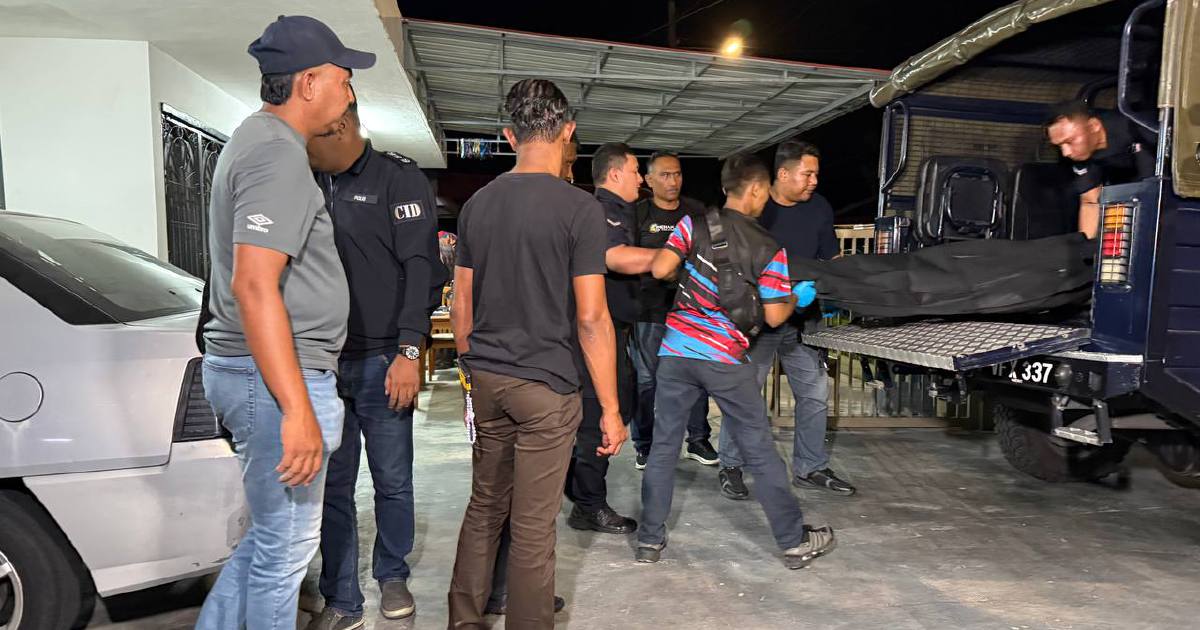
Police in Perak have initiated a formal investigation into the circumstances surrounding the death of a 54-year-old man at a nursing home facility located in Tanjung Rambutan. The incident, which occurred yesterday, has prompted authorities to treat the case as a suspected homicide rather than a natural death, indicating the presence of suspicious circumstances that warrant criminal examination.
The Tanjung Rambutan area in Perak has long been associated with healthcare services, hosting the Tanjung Rambutan Hospital, a major psychiatric facility in the state. The nursing home in question operates within this broader healthcare landscape, serving as a residential care facility for individuals requiring ongoing medical supervision and support. The location's concentration of medical infrastructure makes the incident particularly significant, as it raises questions about oversight and safety protocols across the broader care ecosystem in the region.
Investigations into deaths at care facilities present complex challenges for Malaysian law enforcement. Police must determine whether the resident's death resulted from natural causes exacerbated by underlying health conditions, negligence in duty of care, or direct criminal action. The decision to classify this case as a suspected murder indicates that preliminary evidence or observations at the scene suggested foul play rather than accidental or natural causes, prompting a more intensive investigative approach.
The welfare of residents in nursing homes and care facilities remains a subject of concern across Malaysia. These institutions serve vulnerable populations, including the elderly and those with chronic illnesses, who depend on staff for basic care, medication management, and monitoring. Incidents at such facilities generate broader public concern about the adequacy of staffing levels, training standards, and regulatory oversight mechanisms designed to protect residents from harm.
For families who place loved ones in residential care settings, such incidents underscore the importance of regular visits, communication with facility management, and awareness of their relatives' health status and any changes in condition. The Malaysian healthcare system has guidelines governing the operation of private nursing homes and care facilities, but enforcement and compliance levels can vary significantly across different regions and individual establishments.
The investigation will likely require police to examine factors including the facility's staffing arrangements, whether adequate supervision was maintained, the resident's medical history and any recent health developments, relationships between the deceased and other residents or staff, and whether any medical equipment or safety measures were compromised. Autopsy results will be crucial in establishing the precise cause of death and identifying any evidence of external trauma or intervention.
Perak's healthcare facilities and residential care sector will come under heightened scrutiny following this incident. The state, which has experienced rapid population ageing, relies on a network of both public and private care providers to accommodate increasing demand for long-term residential services. Any indication of safety lapses at individual facilities could prompt wider reviews of operational standards across the sector.
This case also reflects broader challenges facing Southeast Asia's healthcare systems as populations age and the demand for specialised care facilities grows. Malaysia's healthcare infrastructure, while relatively advanced for the region, faces pressure from increasing chronic disease prevalence and the need to accommodate growing numbers of elderly residents requiring round-the-clock supervision. Care facility standards thus become increasingly critical to overall public health outcomes.
The police response demonstrates the seriousness with which authorities now treat unexpected deaths in institutional settings. Over recent years, Malaysian law enforcement has become more attentive to potential crimes occurring within care environments, recognising that vulnerable residents may be unable to report abuse or seek help independently. This heightened vigilance represents a shift toward stronger protection of residents' rights and safety.
The investigation's progress will likely depend on witness statements from other residents and staff members who were present at the facility. Care homes typically maintain activity records and visitor logs that could assist investigators in establishing timelines and identifying individuals present during the relevant period. Staff employment records and any prior complaints or incident reports filed with facility management or regulatory authorities may also provide context.
For the broader Malaysian public, this incident serves as a reminder of the importance of rigorous regulation and transparent operation of care facilities. Regular inspections, clearly defined complaint mechanisms, and accessible oversight channels are essential safeguards. Family members should remain engaged in residents' welfare and informed about facility operations, creating an additional layer of accountability beyond formal regulatory structures.
As the police investigation progresses, the case will likely generate wider discussion about care facility standards, staff training requirements, and the adequacy of current regulatory frameworks in protecting vulnerable residents from potential harm. The outcome will have implications not only for the specific institution involved but potentially for how other facilities across Perak and Malaysia approach resident safety and staff conduct oversight.

