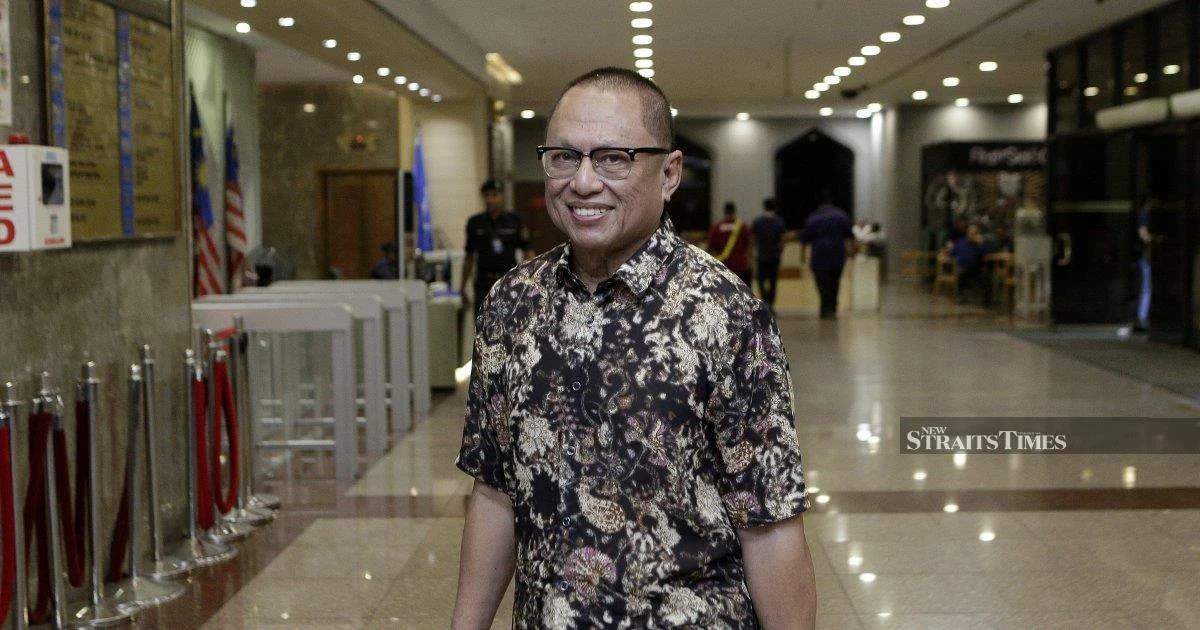
Authorities in Johor Baru have commenced a criminal investigation into controversial remarks purportedly posted by Datuk Dr Mohd Puad Zarkashi, a long-serving figure within Umno, following a flood of public complaints submitted to police stations nationwide. The complaints, which accumulated to 153 reports by a single day, triggered the formal probe and underscore the intensity of public reaction to the alleged statements circulated through social media platforms.
The investigation marks a significant moment in Malaysian political discourse, where comments made on digital channels have prompted coordinated action from law enforcement. The volume of reports indicates that the matter resonated beyond typical partisan divisions, suggesting concerns that cut across different segments of society. Such widespread filing of police reports often signals organised coordination or grassroots anger, reflecting how social media controversies can rapidly escalate from individual posts to national-scale incidents.
Puad Zarkashi, who has maintained a prominent position within Malaysia's oldest political party despite shifting political landscapes, has previously been associated with conservative positions on various national issues. His public statements have occasionally generated debate among Malaysians and within Umno itself, though the scale of the current response appears unprecedented in recent memory. The nature of the alleged 3R comments, based on the terminology used in reports, suggests the statements may have touched on sensitive topics that resonate deeply with various communities.
The decision to open a formal investigation rather than treating the matter as routine complaints indicates that authorities have determined sufficient grounds exist to examine the alleged statements more thoroughly. This procedural step will likely involve digital forensics to verify the authenticity of the posts, timeline analysis to establish when they were published, and assessment of the language used against relevant legislation. Such investigations typically examine statements under provisions related to public order, religious sensitivities, or provisions within the Communications and Multimedia Act.
For Malaysian political observers, the incident reflects broader tensions within Umno and the Malay-Muslim political ecosystem. As the party navigates evolving dynamics following recent electoral challenges and coalition realignments, internal dissent expressed through social media has become increasingly consequential. The complaints against Puad Zarkashi suggest that significant segments of the population found his alleged remarks objectionable enough to take formal action, an important indicator of public sentiment.
The 153 reports lodged nationwide demonstrate the interconnected nature of Malaysia's political culture, where statements by prominent figures quickly circulate across state boundaries through digital networks. Social media has fundamentally altered how political messages spread and how public reaction crystallises into formal action. Unlike previous eras when controversial statements might remain localised or contained within party circles, today's digital landscape ensures instantaneous amplification and coordination of responses.
This development also illustrates the tension between free expression and public order concerns in Malaysia's regulatory framework. Political figures must navigate a landscape where statements intended for specific audiences can reach millions, and where expressions of opinion—regardless of intent—may be interpreted by different groups in conflicting ways. The investigation will ultimately require authorities to balance these considerations while examining whether the alleged statements crossed legal thresholds.
For Southeast Asian observers, the incident reflects how even established democracies with vibrant political cultures wrestle with the implications of social media on governance and public discourse. Malaysia's response through formal investigation sits within broader regional trends, where governments increasingly scrutinise online political speech while civil society advocates stress the importance of protecting legitimate expression and political participation.
The timing of the complaints and investigation may also carry significance for broader Umno dynamics and the political calendar. Internal party tensions occasionally surface through public disputes, and controversies involving prominent members can influence factional alignments and leadership calculations. How party leadership responds to this investigation involving one of its senior figures could signal important messages about party unity and discipline.
As the police investigation progresses, the implications extend beyond the individual case. The precedent established regarding social media accountability will likely influence how other political figures calibrate their online communications. The volume of complaints also sends a message about the public's willingness to engage with formal mechanisms to address political speech deemed objectionable, whether motivated by genuine concern or coordinated mobilisation.
The investigation into Puad Zarkashi's alleged statements represents a critical juncture where Malaysia's political system confronts the realities of digital-era communication. The outcome will carry weight for how future controversies are handled and what standards of accountability apply to prominent political figures. Simultaneously, it underscores broader questions about the balance between protecting public order and maintaining space for robust political debate in a diverse, increasingly connected society.

