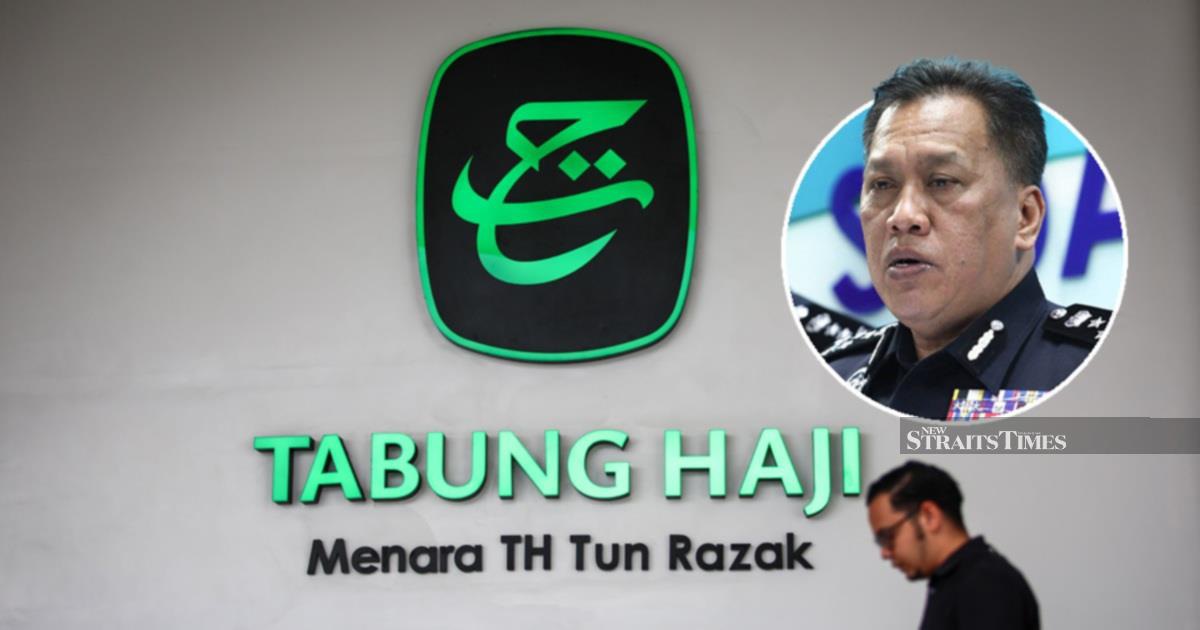
The Royal Malaysia Police have now gathered statements from 134 individuals as they methodically work through the Royal Commission of Inquiry report into the management of Lembaga Tabung Haji (TH), the pilgrimage savings institution. Among these witnesses, ten were recently called in for questioning, indicating that the police investigation into the allegations raised by the RCI continues to gather momentum.
The RCI report into Tabung Haji, which came out following sustained public concern over alleged financial mismanagement and questionable investments by the state-linked institution, detailed numerous findings that have triggered what authorities describe as an active probe. The stepping up of witness interviews, particularly the addition of fresh names to the interrogation list, suggests that investigators are either pursuing new angles or deepening their examination of matters already flagged in the original RCI findings.
Tabung Haji has long held a sensitive position within Malaysia's institutional landscape. As the pilgrim fund established to help Muslim Malaysians save for and undertake the Hajj pilgrimage to Mecca, it holds the deposits and trust of millions of contributors across the country. Any findings of mismanagement or improper conduct therefore strike at both financial integrity and religious trust—a combination that has made this case unusually high-profile within Malaysian investigative circles.
The RCI's work reflected broader scrutiny of how major Malaysian institutions have managed public funds and member assets. The inquiry examined investment decisions, corporate governance practices, and financial transactions spanning several years, uncovering patterns that raised serious questions about oversight and accountability. Those findings then formed the basis upon which police began their criminal investigations.
The witness-gathering phase of a police investigation typically reveals how comprehensively authorities intend to pursue potential criminal charges. With 134 statements now on record, investigators have built a substantial foundation of testimonial evidence. The addition of ten fresh witnesses suggests either new leads emerging from earlier interviews, or deliberate expansion of the inquiry scope to areas perhaps initially overlooked or later flagged as requiring deeper investigation.
For Malaysian depositors in Tabung Haji—numbering in the millions—the ongoing police action carries real significance. Questions about the safety and proper stewardship of their savings, accumulated often over decades for one of Islam's five pillars, remain at the forefront. The institutional response and the trajectory of this investigation will likely influence public confidence not only in Tabung Haji itself but in how government-linked corporations handle member funds more broadly across Southeast Asia's largest Muslim-majority nation.
The timing and pace of police investigations into high-profile institutional cases in Malaysia frequently attract public interest and media scrutiny. Preliminary investigations often take months, during which authorities gather documentary evidence, conduct forensic analysis, and interview relevant parties. The 134-witness benchmark reached by police in the Tabung Haji inquiry suggests this phase is now well advanced, though completion could still require considerable time depending on the complexity of financial transactions and the number of individuals potentially implicated.
From a governance perspective, the RCI process itself represents an important Malaysian mechanism for investigating matters of significant public concern. The subsequent police work translates those findings into a criminal justice context, determining whether identified problems constitute actionable offences under relevant statutes. This two-stage approach—independent inquiry followed by law enforcement investigation—has been deployed in other high-profile cases and reflects institutional attempts to maintain separation between investigative fact-finding and criminal prosecution.
The implications extend beyond individual accountability. The Tabung Haji case has prompted broader conversations within Malaysia about institutional oversight, board independence, and the regulatory frameworks governing financial institutions entrusted with public savings. Policymakers and regulatory bodies have used findings from the RCI to propose reforms aimed at preventing similar situations across other state-linked entities and statutory bodies managing public funds or member deposits.
Investigators face considerable technical challenges in cases involving large financial institutions. Tracing the movement of funds, establishing intent, and linking decision-makers to specific improper transactions requires painstaking work through documentary records and witness accounts. The 134 statements represent substantial investigative investment, likely involving multiple interview sessions with key figures, supporting staff, and external parties such as transaction counterparties or financial advisors.
Regional observers note that Malaysia's willingness to pursue investigations into state-linked corporations demonstrates willingness to hold major institutions accountable, contrasting with less transparent approaches in some neighbouring jurisdictions. However, the length and complexity of such inquiries also reflect the challenges inherent in investigating large institutional structures where accountability chains may be unclear and responsibility diffused across multiple decision-making layers.
The police statement-gathering process also serves to preserve evidence and lock in testimony before memories fade or narratives potentially become coordinated. With the investigation continuing and new witnesses recently added, authorities appear positioned to move toward either charging decisions or preliminary court proceedings in coming months, though no timeline has been publicly specified. For stakeholders including depositors, investors in Tabung Haji instruments, and the general Malaysian public concerned with institutional governance, the forward trajectory of this investigation remains closely watched.

