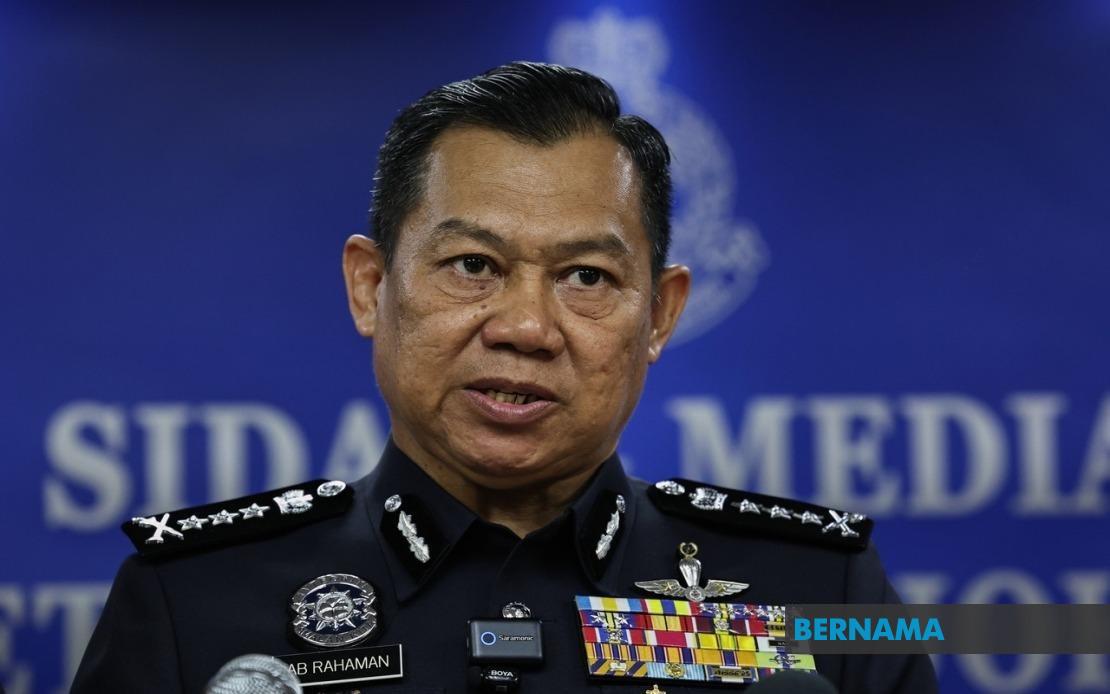
The Johor police have given the thumbs-up to more than 4,000 applications for campaign permits, facilitating extensive political mobilisation across the state ahead of the 16th Johor state election. Between June 27 and July 8, the force processed 4,368 permit requests linked to political talks and campaign events, approving 4,053 of them. The high approval rate underscores the police's role as a facilitator of democratic participation whilst simultaneously maintaining oversight of election-related activities.
Johor police chief Datuk Ab Rahaman Arsad disclosed that the force received a particularly heavy surge in applications during the final two days of the approval window. Between July 7 and 8 alone, police fielded 884 fresh permit applications, approving 838 after determining they met all regulatory specifications. This compressed timeline suggests that political parties and campaign organisers were working to the wire, possibly rushing applications to maximise their campaign schedules before the official nomination process proceeded further.
The high volume of permit approvals reflects the competitive nature of the Johor election, where multiple political coalitions are competing for voter support. The state, Malaysia's second-largest by population, has long been a crucial battleground in national politics, and the stakes in this electoral cycle appeared to energise campaigners across the political spectrum. The fact that 92.8 percent of applications met approval standards indicates that most organisations understood and complied with the police's permit requirements from the outset.
Behind the scenes of this largely smooth approval process, however, police have been actively monitoring campaign activities for compliance with electoral law and public order regulations. Datuk Ab Rahaman emphasised that all political activities have been under police surveillance to ensure they conform to legal requirements and do not compromise security or public tranquillity. This oversight function has become increasingly important in Malaysian elections, where social media amplification and heated partisan rhetoric can sometimes escalate tensions among supporters.
Despite the general orderliness of the campaign environment, the police have not been inactive on the enforcement front. Between July 7 and 8, officers filed 17 reports and initiated four formal investigation papers into alleged election offences. One investigation focused on a suspected violation of Section 4A(1) of the Election Offences Act 1954, which prohibits the promotion of ill will or hostility between groups. This provision has become more closely scrutinised in recent years as election campaigns have increasingly moved into digital spaces where inflammatory speech can spread rapidly.
A second investigation paper was opened under two separate statutes addressing defamatory speech and digital misconduct. The charges cited Section 500 of the Penal Code, which covers defamation, alongside Section 233 of the Communications and Multimedia Act 1998, which addresses the improper use of network facilities and services. The pairing of these charges suggests that authorities were examining online campaign material that crossed into potentially libelous territory, a growing concern in Malaysian electoral politics.
Two additional investigation papers centred on property damage allegations. Police invoked Section 427 of the Penal Code, which addresses mischief resulting in loss or damage to property. These cases likely involved incidents such as destruction or defacement of campaign materials or property destruction during rallies or campaign events. Election periods in Malaysia have occasionally witnessed such incidents, particularly in hotly contested constituencies where tempers run high.
Over the full twelve-day period from June 27 to July 8, the cumulative enforcement picture became clearer. Police accumulated 73 total reports and opened 22 investigation papers linked to election offences. This ratio suggests that whilst the vast majority of campaign activity proceeded lawfully, a meaningful minority of incidents required formal investigation. The emergence of 22 separate cases across the state underscores the complexity of managing electoral conduct across multiple constituencies simultaneously.
Datuk Ab Rahaman's public commitment to handle violations with firmness, fairness, and integrity without compromise carries particular weight in Malaysia's electoral context. Past elections have sometimes seen concerns about selective enforcement or political bias in police action. The police chief's explicit articulation of these principles suggests an attempt to establish public confidence that law enforcement would apply standards evenhandedly across political parties and candidates, regardless of their coalition affiliation or electoral prospects.
The approval of over 4,000 campaign permits alongside the opening of 22 investigation files illustrates the delicate equilibrium that election authorities must maintain. Enabling robust political competition requires facilitating campaign activities and public engagement, yet protecting public order and legal standards demands vigilant monitoring and enforcement action against violations. For Malaysian voters and observers, this balance became visible in real-time during the Johor campaign period, as candidates and their supporters exercised their rights to campaign whilst regulators worked to ensure those activities remained within lawful bounds.

