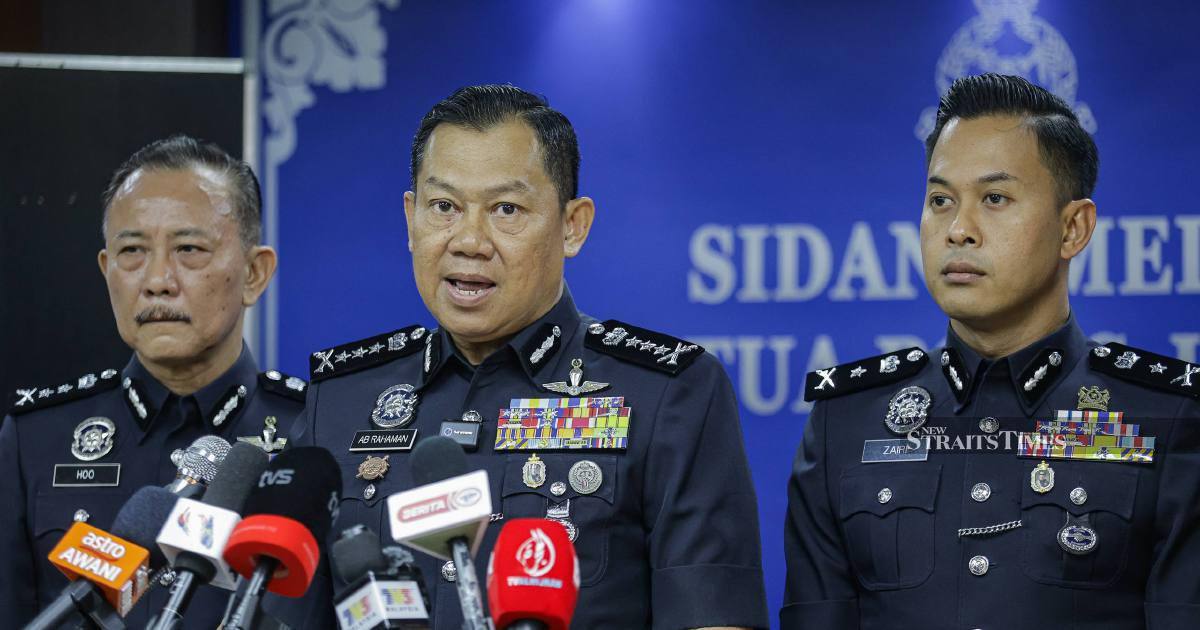
Police in Johor Baru have rounded up 13 people to assist in their investigations surrounding the death of a 17-year-old girl who died in a motor vehicle collision that occurred Tuesday on Lingkaran Bulatan Persiaran Indahpura 4 in Kulai. The detainees include a 15-year-old girl, signalling that the incident may involve younger elements within the suspected criminal network under scrutiny.
The fatal crash has prompted law enforcement to explore possible connections to gang activity, though specific details regarding the nature of these suspected links remain under investigation. The involvement of a minor among those detained suggests that the matter may extend beyond a simple traffic accident, potentially pointing to a more complex social and criminal dimension that warrants closer examination by authorities.
Investigations into such incidents in Johor are typically conducted with considerable urgency given the region's ongoing concerns about youth-related criminal activities. The Kulai area, situated within the Johor Baru metropolitan zone, has occasionally been the focal point of such matters, prompting police to deploy resources swiftly when fatalities occur involving suspicious circumstances.
The decision to detain such a substantial number of individuals suggests authorities have identified multiple parties potentially connected to the circumstances surrounding the teenager's death. This approach allows investigators time to conduct interviews, cross-reference witness statements, and examine evidence without the immediate pressure of charging timelines, a standard procedure in complex cases involving multiple suspects.
The presence of a 15-year-old among those detained adds a troubling dimension to the investigation, reflecting broader concerns across Malaysia regarding youth involvement in gang-related activities. Such situations typically prompt discussions about social factors, including peer pressure, economic circumstances, and family structures that may contribute to younger individuals becoming entangled in criminal networks.
The fatal collision itself presents multiple investigative angles for police to pursue. Officers must determine whether the crash was intentional, resulted from reckless behaviour, or occurred under coercive circumstances. The gang-related angle suggests that investigators may be exploring whether the teenager's death arose from inter-gang conflict, territorial disputes, or retaliatory actions characteristic of such criminal organisations.
For Malaysian society, such incidents underscore the continuing challenge that law enforcement faces in combating youth crime and gang activity in urban and suburban areas. The Johor region, as one of Malaysia's most economically dynamic states, has long struggled to balance rapid development with persistent social challenges that spawn criminal networks. This particular case exemplifies how tragedy can strike unexpectedly when youth become involved in such environments.
The investigation's focus on gang connections will likely involve examining the victim's social circles, communication records, and any prior incidents that may have created tensions within criminal networks. Police may also investigate whether the victim possessed knowledge of gang activities or had relationships with individuals involved in such groups, factors that sometimes place young people in vulnerable positions.
From a regional perspective, Malaysia has observed that gang-related youth violence frequently involves Southeast Asian cross-border elements, though authorities have made significant strides in targeting organised crime networks. The Johor case, situated near Malaysia's border with Singapore, may prompt consideration of whether any transnational factors influenced the incident, though such connections typically remain confidential during active investigations.
The detention of multiple suspects allows police to construct a comprehensive narrative of events leading to the fatal crash. Investigators will examine vehicle dynamics, witness testimonies, and circumstances that may have contributed to the collision. Simultaneously, they pursue the gang-connection angle through interrogations designed to uncover any criminal motivations or conspiracies.
For the family and community affected by this tragedy, the investigation represents both a pursuit of answers and accountability. Malaysian society increasingly recognises that youth deaths involving suspected criminal elements require not only police action but also broader preventative initiatives addressing root causes of gang involvement. Educational programmes, community engagement, and family support structures form part of the comprehensive response needed.
The case also highlights how rapidly situations can escalate when young people become entangled with criminal networks. What may commence as social affiliation can transform into life-threatening circumstances, as this incident tragically demonstrates. As police continue their inquiries, the broader question remains how communities and institutions can better identify and intervene before young lives are lost to gang-related violence.
Author authorities have not yet released formal charges or charging dates for those detained, suggesting the investigation remains in preliminary phases. As further details emerge from police inquiries, greater clarity may develop regarding the exact circumstances of the collision and any definitive links to organised criminal activity in the region.

