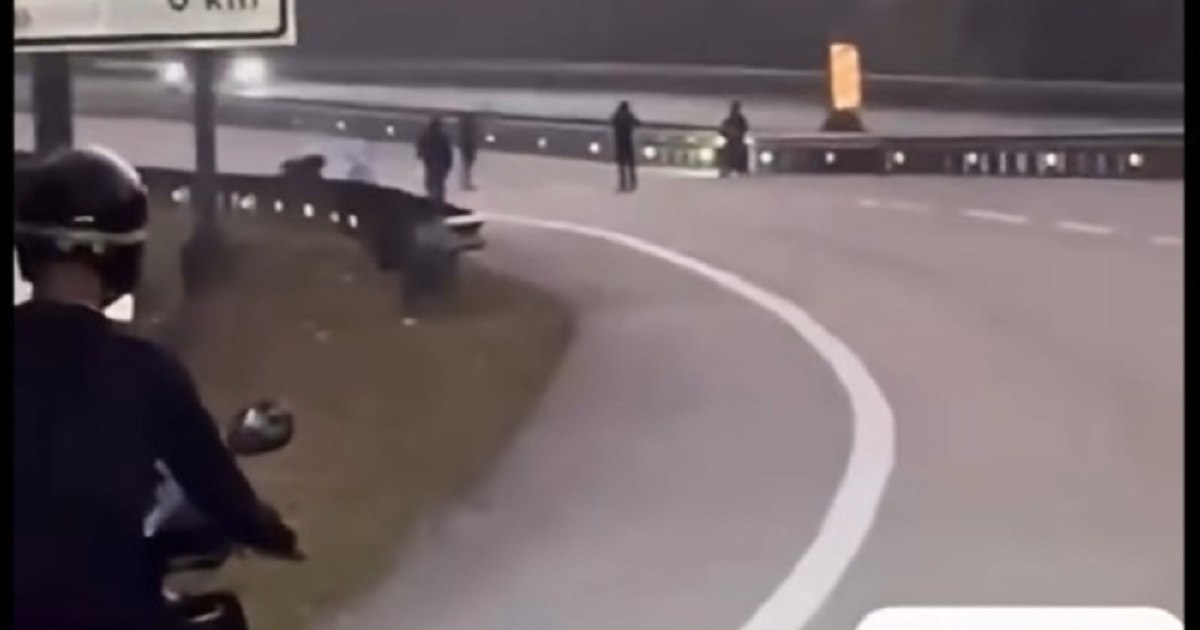
Authorities have expanded their investigation into an audacious illegal street racing incident by arresting three additional men in Kuala Lumpur, bringing the total number of suspects in custody to a growing figure as police piece together details of how the Second Link highway was allegedly seized for an unsanctioned motorcycle race. The latest arrests stem from a viral video that circulated online, showing what appears to be a coordinated operation to block one of Malaysia's busiest international routes and conduct high-speed racing activities.
The Second Link, which connects Peninsular Malaysia to Singapore via Johor, serves as a critical commercial and transportation corridor carrying thousands of vehicles daily between the two nations. The alleged closure of even a portion of this vital artery raises serious concerns about public safety, traffic flow, and the coordination required to execute such a brazen operation. The fact that such an incident could occur on a major international highway underscores growing anxieties about illegal street racing networks operating with apparent sophistication across the Klang Valley and Johor regions.
Police investigations have revealed that the incident likely involved a larger network of participants coordinated across multiple locations. The arrests in Kuala Lumpur suggest that individuals involved in planning, organizing, or participating in the racing event were spread across the greater metropolitan area, indicating this was not a spontaneous gathering but a premeditated activity. Law enforcement officials are examining the extent of involvement by each detained individual and their roles in orchestrating what appears to be a high-profile illegal racing spectacle.
The viral nature of the video is itself significant, as it demonstrates how social media amplifies incidents of road lawlessness and, paradoxically, can serve as evidence against perpetrators. The video's widespread circulation prompted public outcry and forced authorities to prioritize the investigation, resulting in rapid arrests. This digital dimension adds a layer of complexity to modern street racing investigations, where participants often document their activities for online audiences, essentially creating a trail of evidence against themselves.
Illegal motorcycle racing remains an entrenched problem in Malaysia, particularly in urban areas and along highways connecting major cities. Street racing communities have evolved from small, localized groups into sophisticated networks with access to high-performance motorcycles and organizational capabilities. These events not only endanger participants but pose extreme risks to innocent road users who may encounter these illegal activities unexpectedly. Previous racing incidents have resulted in serious accidents and fatalities, making police crackdowns increasingly uncompromising.
The involvement of the Second Link, an international boundary crossing, adds diplomatic and security dimensions to the investigation. Authorities in Singapore and Malaysia maintain close cooperation on border security and traffic management, and such incidents can strain these relationships by demonstrating apparent lapses in road security. The incident raises questions about surveillance systems along the highway and whether existing measures are adequate to detect and prevent organized misuse of the route.
Police have historically struggled to contain illegal racing through enforcement alone, leading authorities to explore multi-pronged approaches including increased patrols, intelligence gathering within racing communities, public awareness campaigns, and vehicle inspection regimes targeting modified motorcycles. The arrests represent one component of these broader efforts, but questions remain about whether such reactive measures can effectively deter organized racing networks with substantial membership and financial resources.
The financial incentives driving these activities are substantial, with participants often wagering significant sums and some individuals profiting through sponsorships, entry fees, and viewership-based earnings via online platforms. This commercialization of illegal racing has transformed what was once a fringe activity into something resembling an underground industry, attracting not just adrenaline-seeking riders but opportunistic entrepreneurs. Dismantling this ecosystem requires targeting not just participants but the financial structures that sustain organized racing operations.
Regional cooperation between Malaysian and Singaporean authorities will likely intensify as both nations contend with cross-border implications of organized street racing. The Second Link incident demonstrates that such activities can affect international traffic flows and potentially embarrass both governments' ability to maintain order on strategically important infrastructure. Enhanced information sharing and coordinated enforcement at border crossings may become necessary responses to prevent future similar incidents.
As investigations continue, authorities are expected to pursue charges against all detained individuals, potentially including conspiracy charges given the apparent coordination involved. The strength of evidence from the viral video will prove crucial to securing convictions. Beyond the immediate legal proceedings, however, the incident highlights persistent vulnerabilities in road safety governance and the ongoing challenge posed by organized illegal racing communities across Malaysia's urban and highway landscapes.

