Police in Greater Jakarta have taken into custody a 34-year-old suspect, identified by initials MY, following allegations that he sent a bomb threat message that disrupted operations at SD Srengseng Sawah 15 Pagi state elementary school in the Jagakarsa district on Monday. The incident unfolded during the school's opening day, when a threatening WhatsApp message was circulated to teaching staff and administrative personnel claiming that explosive devices had been positioned at 11 separate locations throughout the school compound. The arrest took place in the vicinity of the school itself, occurring several hours after the initial threat message had been distributed.
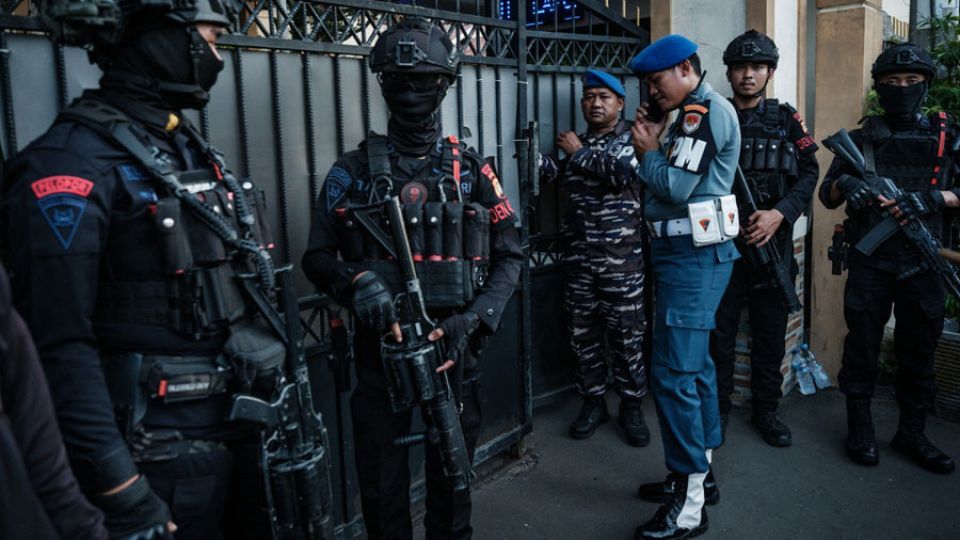
The gravity of the allegation prompted an immediate and substantial response from security authorities. Specialized units including personnel from the police bomb disposal division, known as Gegana, along with Indonesia's dedicated counterterrorism squad Densus 88, were deployed to conduct thorough searches of the entire school facility. Despite the coordinated effort and the comprehensive nature of the sweep operation, investigators found no evidence of any explosive materials or devices anywhere on the school premises. The negative results of the search provided some reassurance to parents and educators, though the incident had already created considerable disruption and alarm.
Greater Jakarta Police spokesperson Sr. Comr. Budi Hermanto confirmed on Monday that the individual had been apprehended and transferred to the South Jakarta Police headquarters for formal questioning and investigation. In his statement to journalists, Budi noted that the suspect, who reportedly resides in proximity to the school, was now in police custody undergoing intensive interrogation by investigative personnel. He emphasized that authorities were working to establish the underlying motives driving the suspect's alleged actions and to determine what objective he may have intended to achieve through dispatching the threatening communication.
According to information provided by Jagakarsa Police chief Comr. Nurma Dewi, the threatening message was specifically transmitted via WhatsApp to multiple recipients within the school's staff network. The timing of the message delivery coincided with a formal flag-raising ceremony that was being conducted with students in attendance. School recipients of the threat remained composed during the ceremony itself, only alerting authorities after the ceremony had concluded. This timing may have prevented more immediate panic, but it also meant that a window of time passed between the sending of the threat and the school's response.
The incident triggered an emergency protocol that resulted in the rapid evacuation of all personnel from the school compound. Students and staff were moved to safe locations as bomb disposal specialists began their systematic examination of the school buildings and grounds. The evacuation process itself constituted a significant disruption to what was meant to be the commencement of the academic year, with hundreds of students and dozens of staff members affected by the emergency procedures.
This event occurs within a broader context of security concerns that periodically affect Indonesian institutions. While hoax bomb threats are more common than actual explosives threats, authorities are obligated to treat every report with the utmost seriousness given the potential consequences. The deployment of Densus 88, typically reserved for genuine counterterrorism operations, underscores the precautionary approach Indonesian law enforcement takes toward such incidents. Schools and educational institutions represent particularly sensitive targets from a security perspective, as they house large concentrations of children and young people.
The arrest and ongoing investigation will likely focus on establishing whether the threat was motivated by personal grievance against the school, whether it represented a test of emergency response procedures, or whether the suspect harbored other intentions. The fact that the suspect lived near the school may provide investigators with opportunities to examine his background, interactions with school staff or families, and any previous incidents that might shed light on his motivations.
For Malaysian readers, this incident serves as a reminder of security challenges that can affect educational institutions across Southeast Asia. While Indonesia has implemented extensive counterterrorism measures following decades of security threats, hoax bomb threats continue to disrupt school operations periodically. The incident demonstrates the importance of clear communication protocols within schools, the need for staff training on threat assessment and reporting, and the necessity of coordinated emergency response procedures. Educational institutions throughout the region may benefit from reviewing their own security protocols in light of such incidents.
The response from Greater Jakarta Police and specialized units reflects the standard operating procedures that have been refined through Indonesia's experience with security threats. The deployment of bomb disposal teams and counterterrorism personnel, while resource-intensive for a threat that ultimately proved false, is considered a necessary precaution when the safety of children is at stake. As the investigation proceeds, authorities will seek to determine whether charges will be filed and what penalties may apply under Indonesian law for sending false bomb threats.

