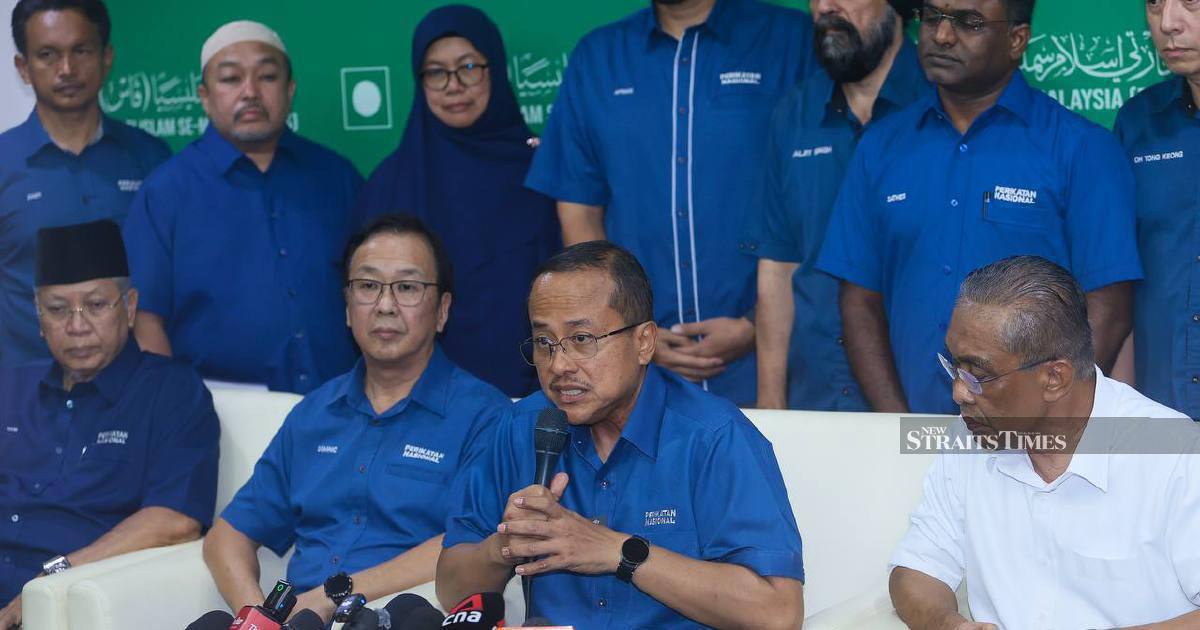
Perikatan Nasional has approved the admission of two new political parties into its expanding coalition structure, according to an announcement made by PN chairman Datuk Seri Dr Ahmad Samsuri Mokhtar following an urgent Supreme Council meeting convened in Kuala Lumpur. The decision signals the continuation of the coalition's recruitment drive as it seeks to strengthen its parliamentary representation and organizational reach across Malaysia's fractured political landscape.
The acceptance of these two new member parties represents a significant step in PN's broader consolidation strategy, which has gained momentum since the coalition's relatively strong performance in recent electoral contests. By broadening its membership base, PN aims to position itself as a competitive force capable of challenging the long-established Barisan Nasional and the Pakatan Harapan coalitions that have dominated Malaysian politics in recent years. This expansion underscores the coalition's ambition to become a genuinely national political force rather than remaining a regional or communal alliance.
However, the emergency meeting highlighted an important disconnect within PN's organizational priorities. While the coalition moved swiftly to formalize the entry of new parties, it deferred substantive discussion on two matters of considerable strategic importance: the articulation of a cohesive overarching vision, referred to as "Wawasan," and the resolution of branding concerns related to the coalition's logo and organizational identity. These omissions suggest that PN's leadership is prioritizing rapid expansion over the ideological and administrative consolidation that typically underpins durable coalition structures.
The decision to postpone discussion of PN's guiding vision is particularly noteworthy given the diverse ideological composition of the coalition's membership. PN comprises parties with varying platforms, from Islamist organizations like Parti Islam Se-Malaysia (PAS) to Malay-centric groups and smaller regional parties, each bringing their own policy priorities and organizational cultures to the table. Without a clearly articulated and mutually agreed-upon vision statement, such coalitions risk becoming merely transactional arrangements driven by immediate political advantage rather than principled partnerships grounded in shared objectives.
The logo issue, while appearing superficial, carries substantial symbolic weight in Malaysian coalition politics. A coalition's visual identity serves as more than aesthetic branding—it functions as a unifying symbol that communicates cohesion and legitimacy to voters and party members alike. The fact that this matter remains unresolved after an emergency meeting suggests potential disagreements over organizational hierarchy, resource allocation, or the relative prominence of different member parties within the coalition structure. Such disputes, if left festering, can breed resentment among smaller parties who may feel marginalized within a larger coalition framework.
For Malaysian voters and political observers, PN's expansion trajectory merits close monitoring. The coalition's growth strategy has proven effective at capturing parliamentary seats and building a presence in state assemblies, yet the internal consensus-building required to sustain multiparty coalitions remains elusive. Regional coalitions like PN depend heavily on the personal relationships and negotiating acumen of senior figures—in this case, figures like Ahmad Samsuri and Parti Islam Se-Malaysia's leadership—to paper over differences that formal organizational structures have failed to address.
The timing of the emergency Supreme Council meeting also warrants consideration within Malaysia's current political context. Coalition dynamics have grown increasingly volatile following the 2022 general election, with shifting alliances and periodic defections among smaller parties seeking to maximize their political influence and ministerial portfolios. PN's accelerated recruitment efforts may reflect recognition that the coalition must expand beyond its core base to remain competitive in future electoral contests, particularly as both BN and PH continue their own coalition negotiations and realignments.
Southeast Asian observers should note that PN's model of coalition-building through party expansion mirrors patterns seen elsewhere in the region, where established coalitions face pressure to incorporate new members to maintain electoral relevance. Thailand, Indonesia, and the Philippines have all witnessed similar coalition dynamics, where rapid expansion sometimes precedes internal fracturing when substantive governance questions remain unresolved. Malaysia's trajectory will likely influence how other regional coalitions approach the tension between growth and cohesion.
The deferral of the Wawasan discussion carries implications extending beyond internal coalition management. Without a clearly articulated collective vision, PN risks presenting voters with an incoherent policy agenda, potentially undermining its ability to present itself as a credible alternative government. Malaysian voters increasingly expect major political coalitions to articulate comprehensive policy platforms addressing economic management, social welfare, religious affairs, and institutional reform—areas where PN's member parties have demonstrated philosophical divergences in the past.
Moving forward, PN's leadership faces mounting pressure to operationalize its expansion momentum through substantive consolidation. The Supreme Council's next meetings must address the deferred governance questions or risk creating a coalition that, while numerically larger, remains organizationally fragile. For coalition members seeking greater influence and resources, the unresolved logo and vision questions represent negotiations yet to come—potentially contentious discussions that may reshape PN's internal power dynamics before they are finally settled.