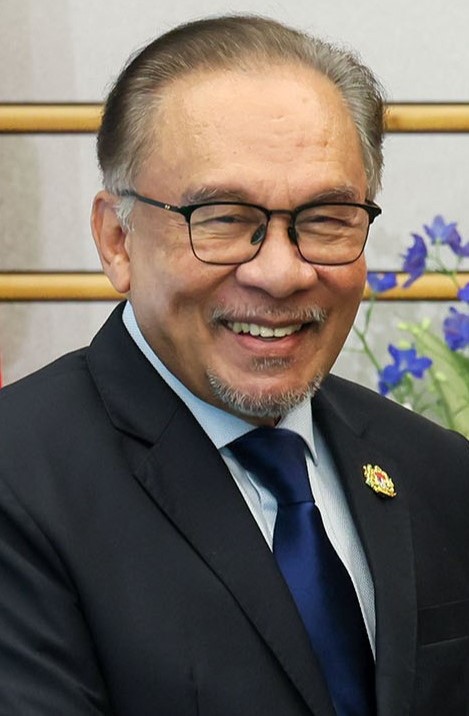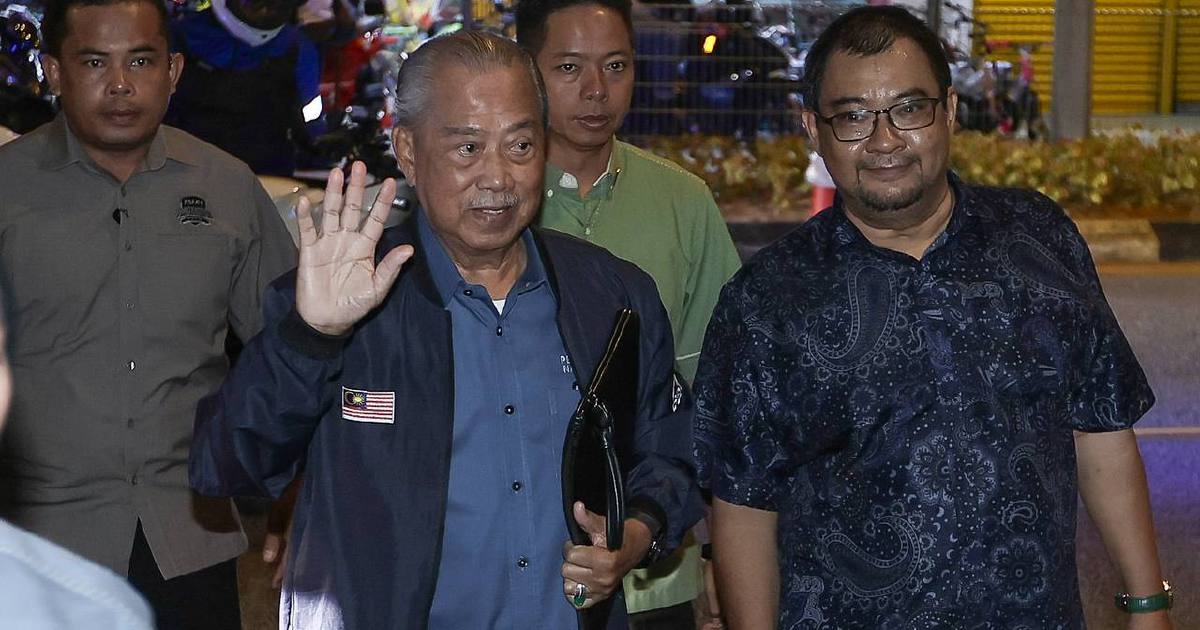
Perikatan Nasional's leadership moved swiftly to convene an emergency Supreme Council session in Kuala Lumpur, with party chief Muhyiddin Yassin subsequently clarifying that discussions centred on the broader coalition architecture rather than examining the status of Bersatu, the bloc's largest component party. The clarification came amid rising speculation about potential internal tensions within PN and shifting political alignments in Malaysia's complex parliamentary landscape.
The opposition coalition has faced mounting scrutiny in recent months as Malaysian politics continues to evolve following the 2023 general election. PN, which comprises Bersatu, PAS, and Perikatan Selangor (GPS), has positioned itself as a serious counterweight to the current federal government. However, navigating the interests of three separate entities with sometimes divergent policy priorities has proven a persistent challenge for the bloc's leadership.
Muhyiddin's explicit statement that Bersatu's internal position was not on the agenda suggests careful political choreography. By separating discussion of prospective coalition membership from Bersatu's existing status, PN's leadership appears intent on projecting stability while exploring opportunities to expand its political footprint. This distinction carries strategic weight, particularly as Malaysia enters a period where coalition mathematics matter increasingly to legislative outcomes.
The prospect of admitting new members into PN carries substantial implications for the alliance's identity and direction. Potential expansion could strengthen the coalition's parliamentary numbers and broaden its geographical reach, but might also dilute its ideological coherence or create fresh sources of disagreement among existing parties. The deliberate exclusion of Bersatu's status from tonight's discussions suggests the party hierarchy wished to avoid reopening settled questions or reigniting internal debates that could undermine current coalition dynamics.
For Malaysian observers tracking opposition politics, the timing of this emergency session merits careful attention. PN has been attempting to position itself as a credible governing alternative, particularly as public attention periodically shifts to questions of economic management, anti-corruption measures, and religious policy. Any perception of internal discord could complicate these broader strategic objectives, making the choice to compartmentalize discussions tactically sensible from a communications perspective.
Bersatu, which Muhyiddin led to form in 2016 before it eventually anchored the PN opposition coalition, remains central to the alliance's political viability. The party commands significant Malay-Muslim electoral support in key states and brought considerable political capital when it joined forces with PAS following the 2023 election. Any reassessment of Bersatu's role would therefore reverberate through the entire opposition architecture, affecting party bargaining power, seat allocations, and ministerial positions in any future government scenario.
The absence of Bersatu membership deliberation from tonight's agenda may also reflect a calculated decision to address that question separately, through bilateral channels or more restricted forums. Opposition coalitions often reserve their most sensitive internal negotiations for smaller, more focused settings where frank discussion proves less likely to generate unhelpful publicity. Formal Supreme Council sessions, by contrast, produce records and attendees who speak to the media, making them less suitable venues for sensitive discussions about individual party positioning.
From a Southeast Asian perspective, Malaysia's opposition coalition dynamics carry broader regional significance. As the region's major democracies grapple with questions about political competition, coalition stability, and governmental accountability, developments within PN contribute to the broader conversation about how opposition movements sustain themselves and prepare for potential power transitions. PN's ability to maintain internal cohesion while presenting a unified front to voters will partly determine whether Malaysian politics enters a genuinely competitive phase or remains dominated by incumbent-friendly arrangements.
The emergency nature of tonight's session also warrants interpretation beyond the specific agenda items. Regular council meetings follow established schedules, but emergency convocations indicate matters requiring urgent attention. The fact that PN leadership felt compelled to gather on short notice, even while excluding Bersatu's status from deliberation, suggests significant developments elsewhere in the political ecosystem may have prompted the gathering. These could range from parliamentary manoeuvres by the government coalition to shifting party dynamics or emerging opportunities for alliance-building.
Looking forward, PN's membership expansion ambitions merit close monitoring. Which parties or factions might consider joining the opposition alliance, and under what terms? Such questions will partly determine whether PN genuinely represents a revitalized opposition force or remains primarily a vehicle for parties responding to their own internal imperatives. The coalition's ability to attract new members while maintaining Bersatu, PAS, and GPS as unified players will significantly influence opposition credibility heading toward the next general election.